


Energy Storage for Electric Vehicles: The Unseen Powerhouse Driving the EV Revolution
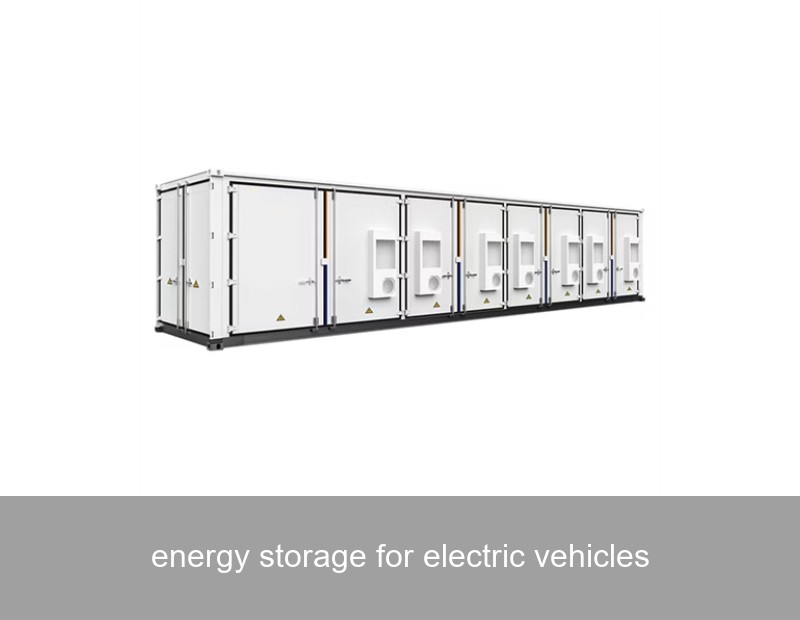
When you think of an electric vehicle (EV), you likely picture its sleek design or the silent, powerful acceleration. But the true hero of this story is a bit more hidden: the advanced energy storage for electric vehicles. This isn't just about the battery pack in your car; it's about the entire ecosystem of storage solutions that ensure your EV is powered by clean, reliable, and affordable electricity, from the grid to your garage. As EV adoption accelerates across Europe and the U.S., the strain on our power grids and the need for intelligent energy management becomes critical. This is where stationary energy storage systems step in, becoming the indispensable backbone for a sustainable electric future.
Table of Contents
The Grid Challenge: More EVs, More Pressure
Imagine a typical weekday evening in a suburban neighborhood. Families return home, appliances switch on, and now, multiple EVs plug in to recharge simultaneously. This creates a significant spike in electricity demand, often during peak hours when grid electricity is most expensive and carbon-intensive. The International Energy Agency (IEA) reports that global electric car sales surpassed 10 million in 2022, and they predict this number will continue to soar. If left unmanaged, this concentrated load can overload local transformers, increase grid instability, and lead to higher costs for everyone.
This phenomenon isn't a distant future scenario—it's happening now. Grid operators in regions with high EV penetration, like California or parts of Germany, are already planning for major infrastructure upgrades. The question is: do we need to build more power plants and string more copper wires, or is there a smarter, more efficient way?

Image Source: Unsplash. A cluster of EVs charging simultaneously highlights the localized demand on energy infrastructure.
Beyond the Car Battery: The Role of Stationary Storage
This is where stationary energy storage for electric vehicles comes into play. Think of it as a sophisticated energy buffer. These systems, typically large-scale lithium-ion battery banks, are installed at key points in the energy chain:
- At Charging Stations (Commercial/Public): High-power DC fast chargers can draw as much power as a small shopping center. Integrated battery storage allows a station to draw lower, steady power from the grid throughout the day, store it, and then release it rapidly when a vehicle plugs in. This avoids costly demand charges and prevents grid congestion.
- In Commercial & Industrial Fleets: Businesses transitioning their delivery or service fleets to electric face massive energy needs. On-site storage paired with solar can create a private microgrid, fueling vehicles with low-cost, self-generated renewable energy.
- At the Grid Edge (Utility-Scale): Utilities deploy large storage systems to balance the intermittent nature of renewable sources like wind and solar, ensuring that the electricity flowing into EVs is green even when the sun isn't shining or the wind isn't blowing.
The synergy is powerful: stationary storage smooths out demand, integrates renewables, and ensures that the electricity powering our transportation is clean and grid-friendly.
The Data Behind the Synergy
| Challenge | Without Stationary Storage | With Stationary Storage |
|---|---|---|
| Peak Grid Demand | Sharp spikes, potential for outages | Flattened load curve, enhanced stability |
| Charging Station Economics | High demand charges, expensive grid upgrades | Reduced operational costs, faster ROI |
| Renewable Energy Utilization | Excess solar/wind may be curtailed | Store excess for nighttime EV charging |
| Carbon Footprint of EVs | Charged with grid mix (may include fossil fuels) | Charged with stored, time-shifted renewables |
Real-World Impact: A Case Study from California
Let's look at a concrete example. A large logistics company in the San Francisco Bay Area aimed to electrify its 50-vehicle delivery fleet. Their goal was clear: reduce emissions and fuel costs. However, their depot's existing electrical service was insufficient to support the needed charging capacity, and a grid upgrade quote came in at over $500,000 with a 12-month wait.
Instead, they deployed a turnkey solution featuring a 1.5 MWh containerized battery storage system coupled with a 500 kW solar canopy. Here’s what happened:
- Grid Upgrade Avoided: The storage system acts as a buffer, drawing a steady, lower amount of power from the grid to charge itself, then discharging rapidly to charge multiple vehicles at once. The costly grid upgrade was completely avoided.
- Energy Cost Savings: By charging the batteries with low-cost, off-peak grid power and solar energy, the company reduced its charging electricity costs by an estimated 40%.
- Resilience: During a planned grid outage, the system kept the critical fleet charging operational, ensuring no disruption to delivery schedules.
This case, documented in a National Renewable Energy Laboratory (NREL) report on fleet electrification, illustrates the tangible financial and operational benefits of integrating stationary storage with EV fleets.
Highjoule's Intelligent Solutions for EV Infrastructure
At Highjoule, we've been at the forefront of this convergence for years. We understand that robust energy storage for electric vehicles isn't just an add-on; it's a fundamental requirement for scalable and sustainable EV adoption. Our product suite is engineered to address these precise challenges.
For commercial and industrial clients, like the logistics company in our case study, our H-Series Modular Storage System is ideal. Its containerized design allows for rapid deployment at depots, truck stops, or public charging hubs. Integrated with our AI-driven Energy Management Platform (EMP), it intelligently decides when to draw from the grid, store solar power, or discharge to chargers, optimizing for cost and carbon footprint every minute of the day.

Image Source: Unsplash. A technician inspecting a containerized battery system, similar to Highjoule's H-Series, used for supporting high-power applications.
For larger microgrid and utility-scale applications, such as supporting a network of highway fast-charging stations, our Utility-Scale Storage Array provides the grid services needed for stability. It can absorb excess renewable energy during the day and deliver it during the evening charging peak, effectively turning intermittent green power into a reliable fuel source for transportation.
Our approach is always holistic. We don't just sell hardware; we provide a complete power solution that includes system design, integration with existing solar or wind assets, and ongoing performance monitoring to ensure our clients get the maximum return on their investment in a cleaner future.
The Future of EV-Centric Energy Management
The next frontier is Vehicle-to-Grid (V2G) technology, where your EV doesn't just take power but can also give it back to your home or the grid during peaks. While promising, widespread V2G faces hurdles around battery degradation, standardization, and consumer acceptance. In the interim, stationary storage systems like those from Highjoule provide a ready-now, non-degrading asset that grid operators and businesses can rely on to build the foundation for a V2G-enabled future. They are the essential first step in creating a truly bidirectional, resilient energy ecosystem.
An Open Question for Our Readers
As we move towards this integrated future, a key question emerges: Who should own and operate the critical storage infrastructure that supports our EV networks—individual consumers, fleet operators, charging companies, or utilities? The answer will shape the economics, resilience, and speed of our electric transportation transition. What's your perspective?
 Inquiry
 Online Chat