


Energy Storage for Wind Turbines: Unlocking Reliable, 24/7 Renewable Power
a vast wind farm, its turbines spinning gracefully under a strong breeze, generating massive amounts of clean electricity. Now, imagine that same farm just a few hours later—the wind has died down, the blades are still, and the power output has plummeted. This isn't a flaw; it's the fundamental nature of wind energy. It's intermittent. For grid operators, this variability is a massive challenge. It can lead to curtailment (wasting good wind), price volatility, and a reliance on fossil-fuel "peaker" plants to fill the gaps. This is precisely where energy storage for wind turbines comes in, transforming wind from a variable resource into a dependable, dispatchable power plant. By pairing advanced battery energy storage systems (BESS) with wind farms, we can capture excess energy when the wind blows and deliver it precisely when it's needed most.
Storage: The Missing Link for a Reliable Wind Grid
The core challenge is a mismatch between supply and demand. Wind generation often peaks at night or during shoulder seasons when demand is lower. Without storage, this surplus energy goes to waste. Conversely, during high-demand periods on calm days, the grid scrambles for alternatives. The U.S. Energy Information Administration (EIA) notes that wind and solar curtailment is increasing in regions with high renewable penetration, highlighting the urgent need for storage solutions (source: EIA).
The integration of storage directly addresses this:
- Grid Stability & Frequency Regulation: Batteries can respond to grid frequency fluctuations in milliseconds, providing essential stability services that wind turbines alone cannot.
- Energy Time-Shifting (Arbitrage): Store cheap, abundant wind energy and sell it during expensive peak hours, improving project economics.
- Capacity Firming: "Firm up" the wind farm's output, allowing it to meet guaranteed power delivery contracts, making wind a more attractive grid asset.
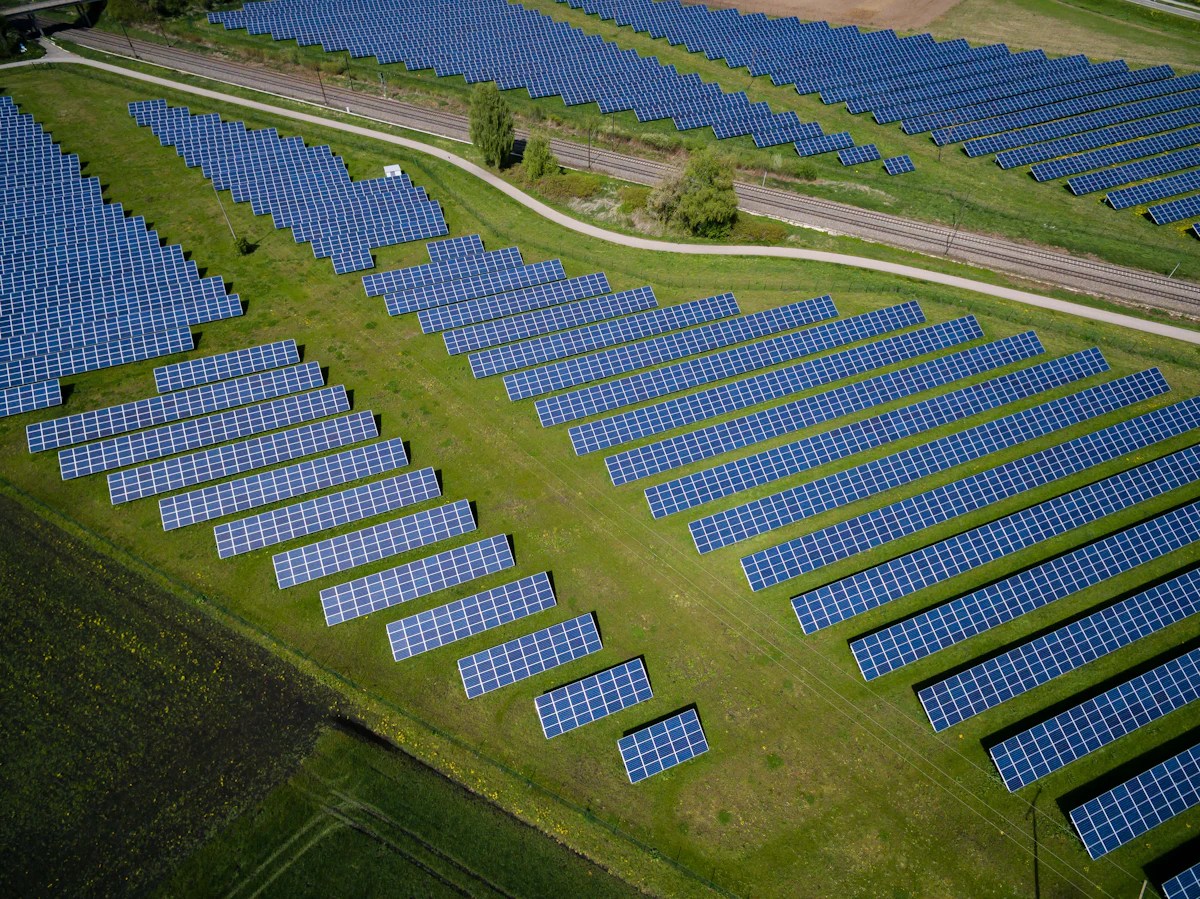
Image Source: Unsplash. Wind farms are a cornerstone of clean energy, but their true potential is unlocked with storage.
How Battery Energy Storage Systems (BESS) Work with Wind Turbines
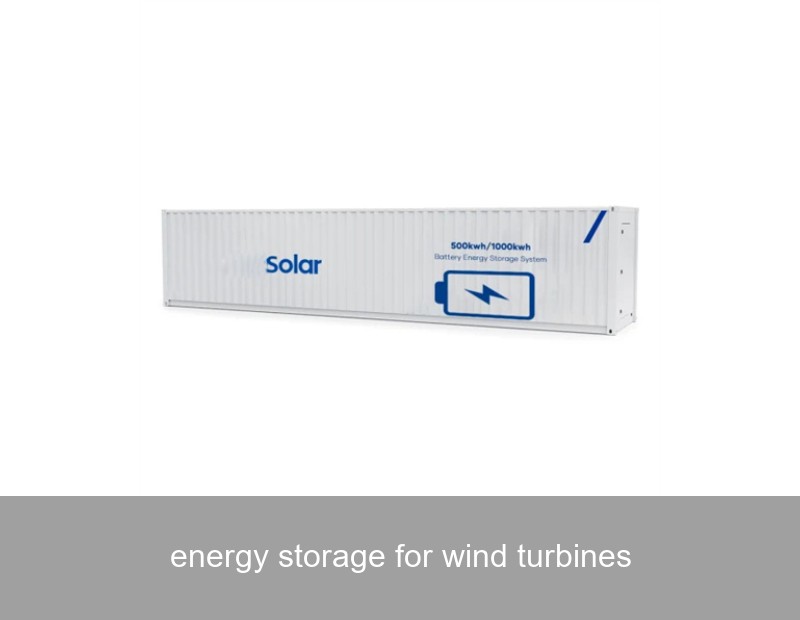
The integration is both a physical and a digital feat. Physically, a large-scale BESS, often housed in containerized units, is connected at the wind farm's substation or at a strategic grid point. The real magic, however, happens in the software. An advanced Energy Management System (EMS) acts as the brain, making real-time decisions based on wind forecasts, electricity prices, and grid signals.
| Wind Condition | Storage Action | Grid Benefit |
|---|---|---|
| High wind, low demand | Charge batteries with excess energy | Reduces curtailment, saves energy for later |
| Low wind, high demand | Discharge stored energy to the grid | Supplies clean power, avoids fossil fuels |
| Sudden drop in wind output | Instantaneous discharge to ramp up power | Prevents voltage dips, maintains grid stability |
Real-World Impact: A Case Study from Texas, USA
Let's look at the real-world data. The Notrees Wind Storage Project in Texas is a pioneering example. A 36-megawatt (MW) / 24-megawatt-hour (MWh) battery storage system was paired with a 153 MW wind farm. The results, documented by the Department of Energy, were compelling (source: U.S. DOE). The BESS successfully provided frequency regulation, absorbing and injecting power to balance the grid second-by-second. More importantly, it demonstrated the ability to shift wind energy from off-peak to on-peak periods. Analysis showed the system helped reduce wind curtailment and provided over $1 million in annual revenue from grid services in its early years, proving the financial and operational viability of wind-storage hybrids.
Engineering the Perfect Pair: Highjoule's Tailored Solutions for Wind Energy Storage
At Highjoule, with nearly two decades of experience since 2005, we specialize in designing and deploying intelligent storage systems that make renewable assets like wind farms more valuable and reliable. We understand that every wind site is unique, driven by local wind patterns, grid interconnection rules, and market structures.
Our approach for wind farm integration involves:
- Highjoule GridSynk™ BESS Platform: Our containerized, utility-scale battery systems are engineered for durability and high-cycle performance, crucial for the daily charge-discharge cycles of wind energy shifting.
- Intelligent Predictive Controls: Our proprietary EMS integrates advanced weather and wind forecasting algorithms. It doesn't just react; it predicts lulls and gusts, optimizing battery dispatch to maximize revenue and grid support.
- Applications Focus: We configure our systems for the specific needs of wind partners:
- Wind Output Firming: Delivering a smoother, more predictable power curve to the grid.
- Market Participation: Enabling wind farms to participate in ancillary service markets (frequency regulation, spinning reserve) for additional income streams.
- Hybrid Plant Controller: For sites combining wind and solar, our controller optimally manages multiple generation sources and the single storage asset.

Image Source: Unsplash. Modern BESS units, like Highjoule's GridSynk platform, are the perfect partner for wind generation.
The Future Outlook: Smarter, More Integrated Wind-Storage Systems
The trajectory is clear. The International Renewable Energy Agency (IRENA) emphasizes that storage is a key enabler for the next phase of the energy transition, allowing for higher shares of variable renewables (source: IRENA). Future wind-storage hybrids will move beyond simple adjacency to fully integrated, digitally native plants. We're looking at AI-driven optimization that considers decades of wind data, real-time commodity prices, and even carbon credit markets. Furthermore, innovations in battery chemistry, like longer-duration storage, will allow wind energy to be shifted not just for hours, but potentially for days, addressing seasonal variations.
For a wind farm developer, utility, or community looking to invest in a wind project, the question is no longer "Should we consider storage?" but rather "What is the optimal storage size and strategy for our specific wind resource and market to maximize return and reliability?" How will you design your next wind project to be a stable, 24/7 power provider, rather than just a fair-weather generator?
 Inquiry
 Online Chat