


Energy Upgrade, How Much? The Smart Investor's Guide to Modern Power
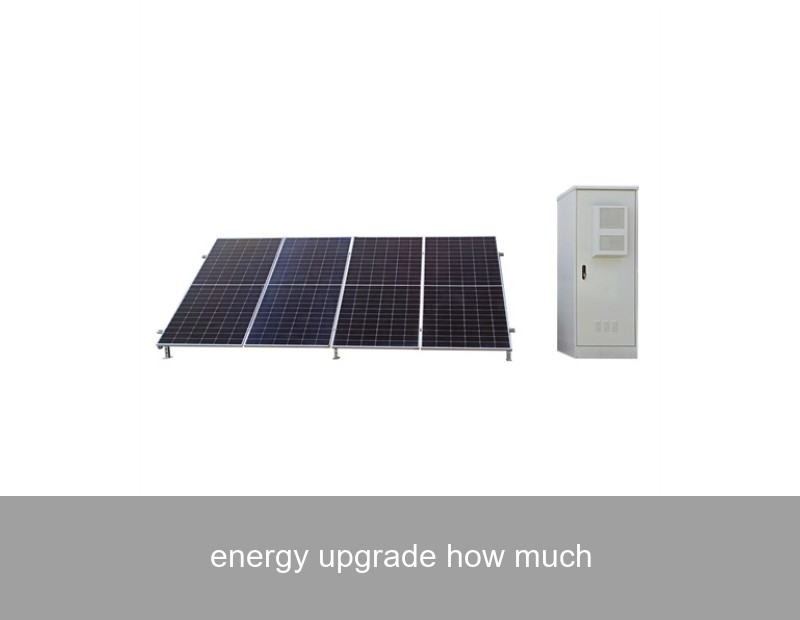
If you’re a homeowner or business leader in Europe or the US, you’ve likely asked the question: "Energy upgrade, how much?" It’s the natural first step when rising utility bills, grid instability, or sustainability goals push you to consider solar panels and battery storage. But framing the question purely around upfront cost is like asking "How much does a healthier lifestyle cost?"—it focuses on the price tag, not the long-term value and savings. The real inquiry should be: What is the return on investment for a modern, resilient, and intelligent energy system? Let's break down the true economics of upgrading your energy infrastructure.
The Real Question Behind "Energy Upgrade, How Much?"
The initial quote for a solar-plus-storage system can cause sticker shock. However, this view is incomplete. An energy upgrade is a capital investment that generates tangible financial returns, not just an expense. Instead of "how much does it cost," we should ask: "How much can I save and earn?" This includes slashing your electricity bill, earning credits for excess power, avoiding losses during outages, and increasing your property's value. The conversation shifts from cost to value creation.
The Hidden Costs of Doing Nothing: More Than Just Your Bill
Before analyzing upgrade costs, consider the cost of inaction. For businesses, a single power outage can mean thousands in lost revenue, spoiled inventory, and operational downtime. For homeowners in areas like California or Texas, where public safety power shutoffs and extreme weather are common, the lack of backup power is a growing risk. Volatile energy markets in Europe have also led to unprecedented price spikes. The "do nothing" option carries a significant and rising price tag of vulnerability.
Breaking Down the "How Much": A Smart Energy Investment Framework
Let's structure the investment into core components. Think of it as building a personal energy ecosystem.
1. Solar PV Investment
This is your new power plant. Costs vary by region, system size, and panel quality. In the US, the average residential system cost post-incentives is between $15,000 and $25,000. The key metric is Levelized Cost of Energy (LCOE)—the average cost per kWh over the system's life. Solar LCOE has plummeted, often undercutting grid retail rates. This means your solar system's electricity is cheaper than buying from the utility from day one.
Image Source: Unsplash
2. Battery Energy Storage System (BESS) Investment
This is your energy bank and grid buffer. Battery costs are the most dynamic part of the equation. A typical home storage system (10-20 kWh capacity) might range from $8,000 to $15,000 installed. But its value is multifaceted:
- Bill Management: Store cheap solar/off-peak power, use it during expensive peak hours (load shifting).
- Backup Power: Seamless transition during outages, keeping essentials running.
- Grid Services: In some markets, you can earn revenue by providing grid stability services.
This is where Highjoule's expertise shines. Our H-Joule Cell commercial and industrial BESS and HomeJoule residential systems are engineered for longevity, safety, and maximum cycle life. We don't just sell hardware; we provide a performance guarantee that ensures your battery investment delivers calculated returns over its entire lifespan.
3. System Integration & Smart Management
The "brain" of your system. An advanced energy management system (EMS) optimizes every kilowatt-hour, deciding when to charge, discharge, or export. This software layer, often overlooked, can boost overall system ROI by 15-30%. Highjoule's NeuroGrid AI platform is this brain, using predictive algorithms and real-time data to make your energy ecosystem self-optimizing and truly intelligent.
| Component | Estimated Cost (After ITC) | Key Value Drivers | Estimated Annual Savings/Value |
|---|---|---|---|
| 8 kW Solar PV | $16,000 | Offsetting grid consumption at $0.25/kWh | $2,200 |
| 13 kWh HomeJoule Battery | $10,000 | Peak shaving, backup power, increased self-consumption | $800 + risk mitigation |
| NeuroGrid EMS & Installation | $4,000 | Optimization, monitoring, system longevity | +20% system efficiency |
| Total System | $30,000 | Energy independence, resilience, lower carbon footprint | ~$3,000+ (Simple payback ~10 years, with 25+ year asset life) |
Case Study: A Berlin Bakery's Recipe for Savings
Let's move from theory to a real-world example. Bäckerei Schmidt, a mid-sized artisan bakery in Berlin, faced rising energy costs (over €45,000 annually) and concerns over power quality for sensitive ovens and refrigeration. Their "energy upgrade, how much?" question was answered with a tailored Highjoule solution:
- A 50 kW rooftop solar array.
- A 120 kWh H-Joule Cell battery storage system.
- Integrated NeuroGrid EMS for intelligent load management.
The Data-Driven Result: Within the first year, the bakery reduced its grid electricity purchases by 78%. By baking during sun-rich hours and using stored energy for early morning peaks, they achieved an annual energy cost saving of €31,500. Furthermore, the system provides full backup for refrigeration, preventing tens of thousands in potential inventory loss. The project, supported by local efficiency grants, achieved a payback period of under 6 years. For Bäckerei Schmidt, the upgrade wasn't a cost—it was a competitive advantage.

Image Source: Unsplash
How Highjoule Makes Your Energy Upgrade Predictable & Powerful
As a global leader since 2005, Highjoule transforms the complex "how much" question into a clear value proposition. We go beyond equipment supply to deliver turnkey energy solutions:
- Precision Engineering: Our systems are designed for your specific load profile, weather patterns, and tariff structure.
- Financial Modeling: We provide transparent, data-backed ROI projections, incorporating local incentives like the US Investment Tax Credit (ITC) or European Union sustainability grants.
- Long-Term Partnership: With our performance guarantees and remote monitoring, we ensure your system delivers the promised savings for decades.
Whether it's a residential HomeJoule system for a family in Texas, a commercial H-Joule Cell installation for a factory in Germany, or a large-scale microgrid project, we provide the intelligence and reliability that makes the investment worthwhile.
Looking Beyond the Price Tag: The True Value of an Upgrade
So, "energy upgrade, how much?" The final calculation must include intangibles: the peace of mind during a storm, the contribution to a stable grid, the fulfillment of corporate ESG commitments, and the insulation from future energy price shocks. These are not line items on a quote but are critical to long-term decision-making.
With the right partner and technology, the upgrade pays for itself and then continues to pay you. What would the ability to lock in a significant portion of your energy cost for the next 25 years do for your household budget or your company's financial planning?
 Inquiry
 Online Chat