


Understanding Solar Panel System for House Cost: A Smart Investment Guide
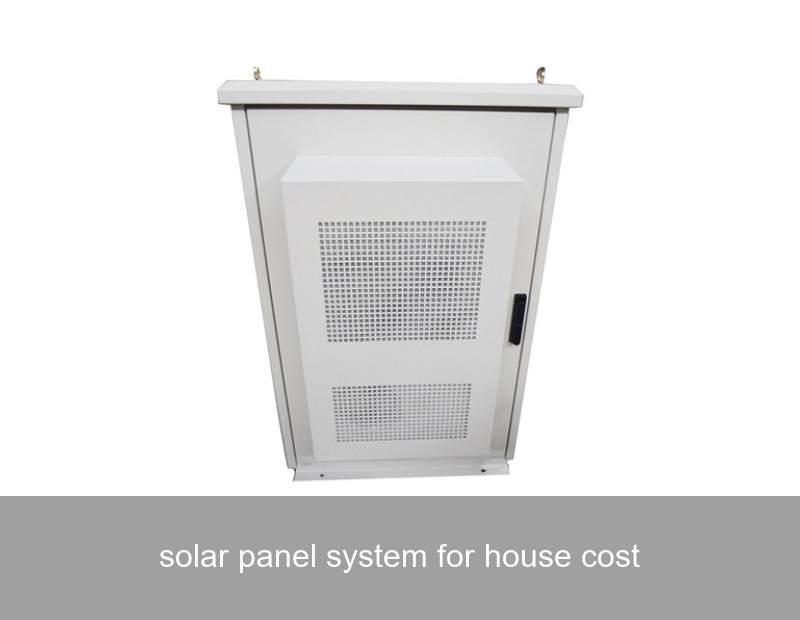
So, you're thinking about powering your home with the sun. It's a fantastic idea, promising energy independence and lower bills. But when you first search for "solar panel system for house cost," the numbers can seem like a blur. Is it $15,000? $25,000? The variation is enough to make anyone pause. The truth is, the price tag is more than just a number on a quote; it's a gateway to long-term savings and energy resilience. In this guide, we'll demystify the costs, explore the value behind them, and show how modern energy storage is transforming a simple solar installation into a complete home power solution.
Table of Contents
- The Real Price Tag: Breaking Down the Components
- Beyond the Panels: The Critical Role of Energy Storage
- Case Study: The Smith Family's Journey to Energy Independence
- Financing & Incentives: Making Solar More Accessible
- The Highjoule Solution: Intelligent Energy Management
- Calculating Long-Term Value vs. Upfront Cost
The Real Price Tag: Breaking Down the Components
Let's move beyond the generic "cost per watt." A residential solar power system is a tailored solution. Its final price depends on a symphony of factors:
- System Size (kW): This is the biggest driver. A typical U.S. home might need a 6 kW to 10 kW system, while European homes might be slightly smaller due to efficiency differences. Your energy consumption, roof space, and local sunlight (insolation) determine the ideal size.
- Equipment Quality: Not all panels and inverters are created equal. Premium, high-efficiency panels from trusted manufacturers cost more but produce more power over a longer lifetime, often with better warranties.
- Installation Complexity: A simple, south-facing, composite shingle roof is the easiest install. Tile roofs, multiple roof planes, or steep pitches add labor and time.
- Balance of System (BOS): This includes mounting hardware, wiring, conduits, and the all-important inverter, which converts DC solar power to usable AC power for your home.
According to data from the U.S. Department of Energy, as of 2023, the average cost for a residential solar system before incentives ranges from $15,000 to $25,000. However, this figure is just the starting point for a truly modern system.
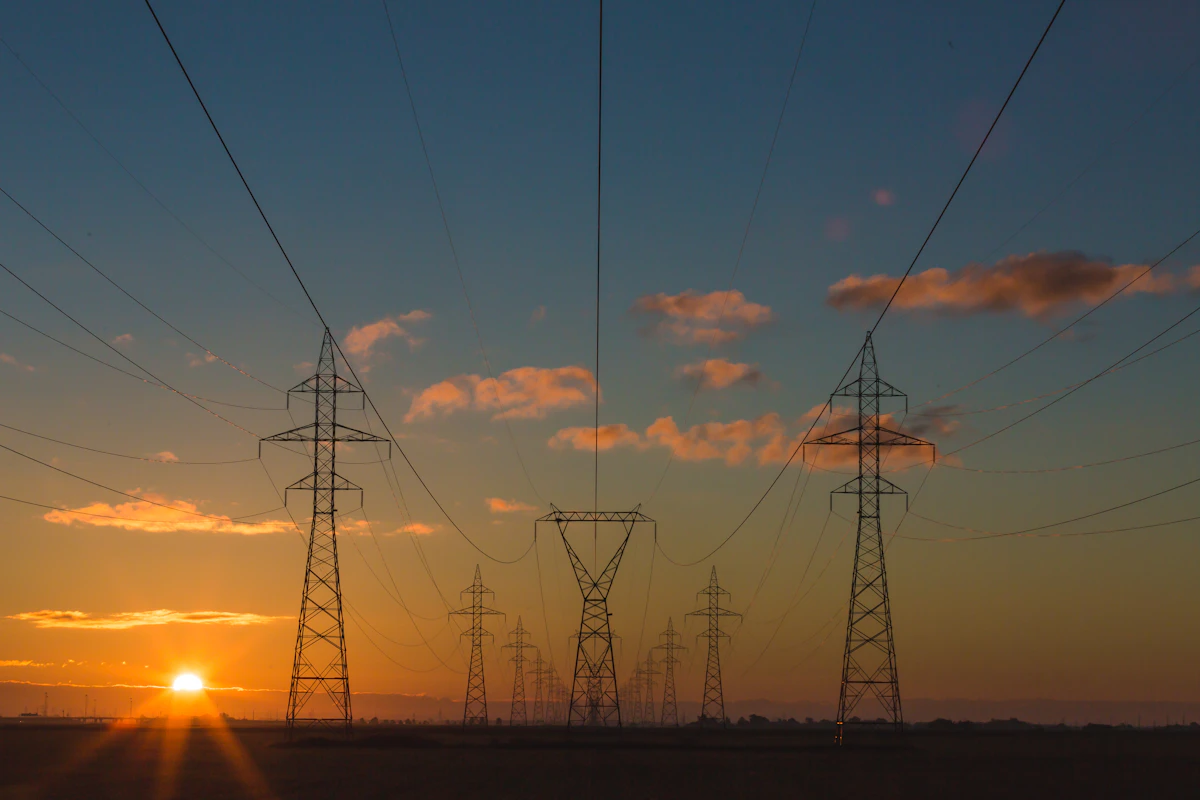
Image: A modern solar installation. The quality of panels, mounting, and design all factor into the overall solar panel system for house cost.
Beyond the Panels: The Critical Role of Energy Storage
Here's the paradigm shift: today, the most impactful solar investment isn't just about generating power—it's about controlling it. A solar-only system exports excess energy to the grid (often at a low rate) and leaves you powerless during blackouts. Adding a battery energy storage system (BESS) changes everything.
Think of it this way: solar panels are your income (energy production). A battery is your savings account (energy storage). Without savings, you have to spend everything you earn immediately or give it away.
- Maximizing Self-Consumption: Store your surplus solar energy from the afternoon to use in the evening, drastically reducing your reliance on the grid and its volatile prices.
- Backup Power: Keep your lights on, fridge running, and critical devices powered during grid outages. This resilience is becoming priceless.
- Grid Services: In some markets, advanced systems can even participate in grid-balancing programs, creating potential revenue streams.
This addition does increase the initial solar panel system for house cost, but it fundamentally increases the value proposition, turning your home into a personal energy microgrid.
Case Study: The Smith Family's Journey to Energy Independence
Let's look at a real-world example from California, USA. The Smith family, living in a 2,200 sq. ft. home with an average monthly bill of $180, decided to invest in a future-proof system in 2022.
| Component | Specification | Cost Contribution |
|---|---|---|
| Solar Array | 8.5 kW (25 Premium Panels) | $22,000 |
| Hybrid Inverter | Manages solar & battery charging | Included in storage package |
| Battery Storage | Highjoule H2 Series, 13.5 kWh capacity | $12,500 |
| Installation & Permits | Includes smart energy management gateway | $6,500 |
| Total Gross Cost | $41,000 | |
| Federal Tax Credit (26%) | -$10,660 | |
| Net System Cost | $30,340 |
Post-installation, the Smiths' grid electricity consumption dropped by 92%. Their system weathered three multi-hour grid outages seamlessly, powering their essential loads. Their calculated payback period, considering rising utility rates, is under 9 years. For them, the added cost of storage was not an expense but a core part of their energy security strategy.
Financing & Incentives: Making Solar More Accessible
The upfront solar panel system for house cost is mitigated by significant financial incentives. In the U.S., the federal Investment Tax Credit (ITC) allows you to deduct a percentage of your system cost from your taxes. Many states and utilities offer additional rebates. In Europe, schemes vary from feed-in tariffs (like in Germany) to grants and VAT reductions (like in the UK).
Financing options like solar loans, leases, and Power Purchase Agreements (PPAs) can bring the initial investment close to zero, allowing you to pay for the system with your monthly energy savings. A good first step is to consult the Database of State Incentives for Renewables & Efficiency (DSIRE) for the latest local programs.
The Highjoule Solution: Intelligent Energy Management
This is where Highjoule, as a global leader in advanced energy storage, transforms the equation. We believe the true cost of a system is measured over its 25+ year lifespan, not just on day one. Our integrated approach ensures every dollar spent delivers maximum return.
For homeowners, our Residential Energy Hub is more than just a battery. It's an intelligent system that includes:
- Highjoule H-Series Battery Units: Scalable, lithium-iron-phosphate (LFP) battery modules known for safety, longevity (10,000+ cycles), and stable performance.
- Smart Hybrid Inverter: Seamlessly manages energy flow between solar, battery, home, and grid.
- AI-Powered Energy OS: Our software learns your consumption patterns, weather forecasts, and utility rate schedules to autonomously optimize when to store, use, or (if beneficial) export energy. This dynamic control can squeeze 15-20% more value from your system compared to basic setups.

Image: A modern home battery storage unit. Highjoule's systems are designed for seamless integration and intelligent control.
By offering a complete, optimized package, Highjoule reduces system complexity for the installer and ensures the homeowner gets a harmonious, high-performance system where all components communicate perfectly. This integration often leads to better overall pricing and guaranteed performance.
Calculating Long-Term Value vs. Upfront Cost
Let's reframe the conversation from cost to value. Consider two paths over 20 years:
- Path A: Do Nothing. You continue paying your utility bill, which, according to historical data from the U.S. Energy Information Administration, has risen an average of 3% annually nationally (and much more in some regions). This is a guaranteed, escalating expense with no asset to show for it.
- Path B: Invest in Solar + Storage. You have a known, upfront net cost (after incentives). For the next 25+ years, your electricity production cost is near zero, and you are largely immune to rate hikes and outages. You've added resilience to your property and reduced your carbon footprint.
The question becomes: would you rather pay a volatile, forever-increasing bill to a utility, or make a fixed investment in your own home's infrastructure that locks in your energy rate for decades?
So, as you ponder the numbers behind a solar panel system for house cost, what will be the deciding factor for you: the short-term price, or the long-term vision of a resilient, self-sufficient home?
 Inquiry
 Online Chat