


Equipos de Energía Solar para Casas: Your Complete Guide to Home Energy Freedom
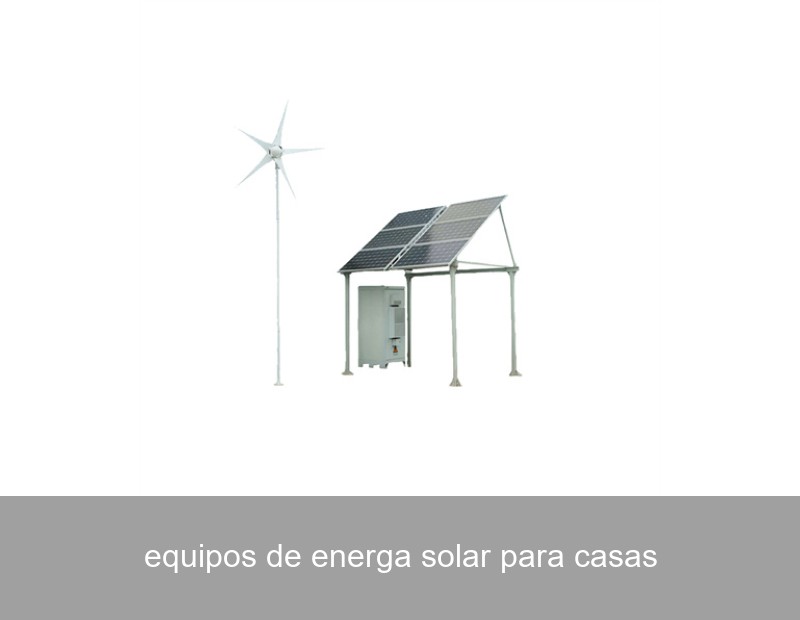
Let's talk about power—specifically, the power to control where your home's energy comes from. Across Europe and the United States, a quiet revolution is happening on rooftops and in backyards. More homeowners than ever are exploring equipos de energía solar para casas (home solar energy equipment) not just as a green statement, but as a practical, financial, and resilient cornerstone of modern living. But what exactly goes into a system? And how does it transform sunlight into savings and security? As a product technology expert at Highjoule, I spend my days demystifying this technology. Let's break it down together, from the fundamental phenomenon to the smart systems that make energy independence a daily reality.
The Power Shift Phenomenon: From Grid Dependence to Energy Independence
For decades, our relationship with electricity was simple: we flipped a switch, and power arrived from a distant, often fossil-fuel-powered grid. The bill came monthly, and rates were subject to geopolitical winds and infrastructure costs. The phenomenon? A growing desire for predictability, sustainability, and self-reliance. The data is compelling. According to the Solar Energy Industries Association (SEIA), the U.S. residential solar market has grown by over 30% annually in recent years, with over 4 million American homes now powered by solar. In Europe, despite market fluctuations, the EU saw a record-breaking 56 GW of new solar capacity in 2023, a significant portion from residential installations.
This isn't just about idealism. It's a logical response to rising utility costs, improved technology affordability, and increasing climate awareness. The logical progression is clear: Phenomenon (rising bills and climate concerns) → Data (proven growth and cost declines) → Action (homeowners investing in solar equipment). The next step is understanding what that equipment actually entails.

Image Source: Unsplash - A modern home utilizing solar panels for energy generation.
Beyond the Panels: The Critical Components of a Home Solar System
When people think of equipos de energía solar para casas, solar panels often steal the spotlight. But they are just one part of a sophisticated symphony of technology. A fully functional system is an integrated kit where every component must perform flawlessly.
- Solar Panels (PV Modules): These are the workhorses, converting sunlight into direct current (DC) electricity. Modern monocrystalline panels offer efficiencies over 22%, meaning they generate more power in limited roof space.
- Inverters: The "brain" of the operation. Since your home appliances use alternating current (AC), the inverter's crucial job is to convert the DC power from the panels into usable AC power. Not all inverters are created equal. Microinverters (one per panel) optimize each panel's output independently, while string inverters manage a series of panels together.
- Battery Storage System (The Game-Changer): This is where true energy independence is unlocked. A battery like Highjoule's ResiCore 10 stores excess solar energy produced during the day for use at night, during peak rate periods, or during a grid outage. It transforms your system from a daytime supplement to a 24/7 power source.
- Mounting System & Racking: The secure, engineered foundation that attaches panels to your roof or ground, designed to withstand decades of weather.
- Monitoring System: A smart interface, usually an app, that shows you your energy production, consumption, and battery status in real-time. Knowledge is power, literally.
| Component | Primary Function | Key Consideration |
|---|---|---|
| Solar Panels | Convert sunlight to DC electricity | Efficiency rating, warranty, degradation rate |
| Inverter | Convert DC electricity to AC electricity | Type (string vs. micro), efficiency, smart capabilities |
| Battery Storage | Store excess energy for later use | Usable capacity, depth of discharge, round-trip efficiency |
| Monitoring | Track system performance & energy flows | Real-time data, user-friendliness, diagnostic alerts |
Real Impact: A Case Study from Sunny California
Let's move from theory to tangible results. Consider the Johnson family in Sacramento, California. Facing rising PG&E rates and frequent public safety power shutoffs (PSPS), they installed a 8.2 kW solar array paired with a 13.5 kWh Highjoule ResiCore battery system in early 2022.
The Data:
- Annual Solar Production: 12,400 kWh
- Previous Annual Grid Consumption: 11,800 kWh
- Post-Installation Grid Import (Year 1): 1,150 kWh (a 90% reduction)
- Bill Impact: Average monthly bill dropped from $220 to a minimum service charge of ~$10 for 10 months of the year.
- Resilience: During 4 grid outages totaling 52 hours, the home's essential loads (refrigeration, lighting, internet, critical circuits) operated seamlessly on battery power.
The Insight: For the Johnsons, the equipos de energía solar para casas was not just an environmental upgrade. It became a financial shield against volatile rates and a physical shield against grid instability. The battery was the critical component that addressed their specific vulnerability to outages, showcasing that a system must be designed for the homeowner's unique needs and local challenges. You can explore more data on residential energy use from sources like the U.S. Energy Information Administration.
Highjoule's Smart, Integrated Solutions for Modern Homes
At Highjoule, our approach is built on the principle that a home energy system should be more than the sum of its parts. It should be an intelligent, adaptive ecosystem. Founded in 2005, we've dedicated ourselves to refining equipos de energía solar para casas into seamless, user-centric solutions. Our product suite for residential customers is designed with this integration in mind:
- Highjoule ResiCore Battery Series: Our flagship lithium iron phosphate (LFP) battery systems, like the ResiCore 10, are known for safety, longevity (over 6,000 cycles), and high usable capacity. They are the heart of an independent home.
- Smart Hybrid Inverters: Our inverters don't just convert current; they intelligently manage energy flow between panels, battery, home loads, and the grid. They can be programmed to prioritize solar self-consumption or capitalize on time-of-use rates automatically.
- Highjoule EnergyOS: This proprietary monitoring and control platform is the nervous system. Through a simple app, homeowners can see real-time flows, set preferences, and receive system health updates. It turns complex data into actionable insights.
- Full System Design & Support: We work with a certified network of installers across Europe and the U.S. to ensure our equipment is configured perfectly for each home's architecture, energy profile, and goals, providing a true turnkey solution.
The goal is to move beyond just providing hardware. We provide energy certainty. Whether it's a family in Texas looking to offset high AC costs or a household in Germany aiming for Energieautarkie (energy autonomy), our systems are engineered to deliver.

Image Source: Unsplash - A sleek, wall-mounted home battery storage unit.
Making the Decision: Is Solar Right for Your Home?
So, how do you know if investing in equipos de energía solar para casas is the right step? Ask yourself these questions: Is your roof mostly unshaded and facing a favorable direction (South in the Northern Hemisphere, North in the Southern)? Are your electricity bills consistently high or rising? Do you live in an area with time-of-use billing or an unreliable grid? Do you plan to stay in your home for the next 7-10 years to realize the full financial return? If you answered "yes" to several of these, the potential is significant.
The journey involves a site assessment, personalized system design, understanding financing and incentives (like the U.S. federal tax credit or European subsidies), and choosing a reputable installer with proven experience. The technology is mature, the economics are favorable, and the benefit of resilience is, for many, priceless.
Your Home's Energy Future
The conversation about home energy has fundamentally changed. It's no longer just about consumption; it's about production, storage, and intelligent management. The right equipos de energía solar para casas can redefine your home's relationship with energy. What specific energy challenge—be it a high bill, a fear of outages, or a carbon footprint goal—is most important for you to solve first?
 Inquiry
 Online Chat