


How to Get an Accurate Estimate for Your Solar Power System
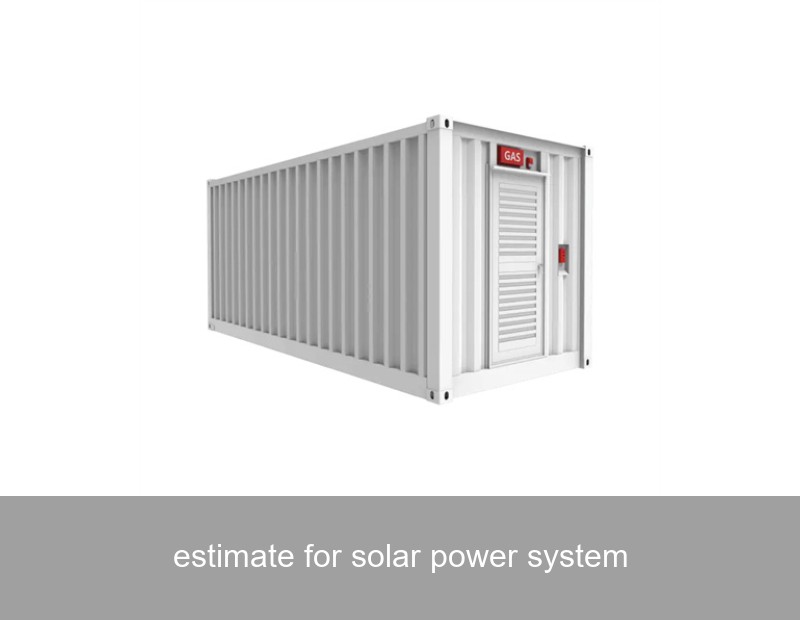
Thinking about harnessing the sun's power for your home or business? You're not alone. Millions are turning to solar energy to reduce electricity bills and their carbon footprint. But the first, and often most daunting, question is: "How much will it cost?" Getting a reliable estimate for a solar power system is more than just a price per panel. It's a complex calculation that determines your future energy independence and return on investment. This guide will walk you through the key factors, demystify the process, and show you how to move from a rough guess to a precise, actionable plan.
Table of Contents
Why Solar Estimates Vary So Dramatically
You've likely seen ads promising a "free solar estimate" or wildly different quotes for seemingly similar systems. This variation isn't necessarily a red flag—it's a reflection of a highly customized product. A solar installation is not a one-size-fits-all appliance. Two neighbors with identical rooftops could receive different estimates based on their unique energy consumption patterns, future plans (like buying an electric vehicle), and the quality of components specified. The cheapest estimate often excludes essential long-term considerations like system degradation, inverter replacement costs, or the value of energy resilience.
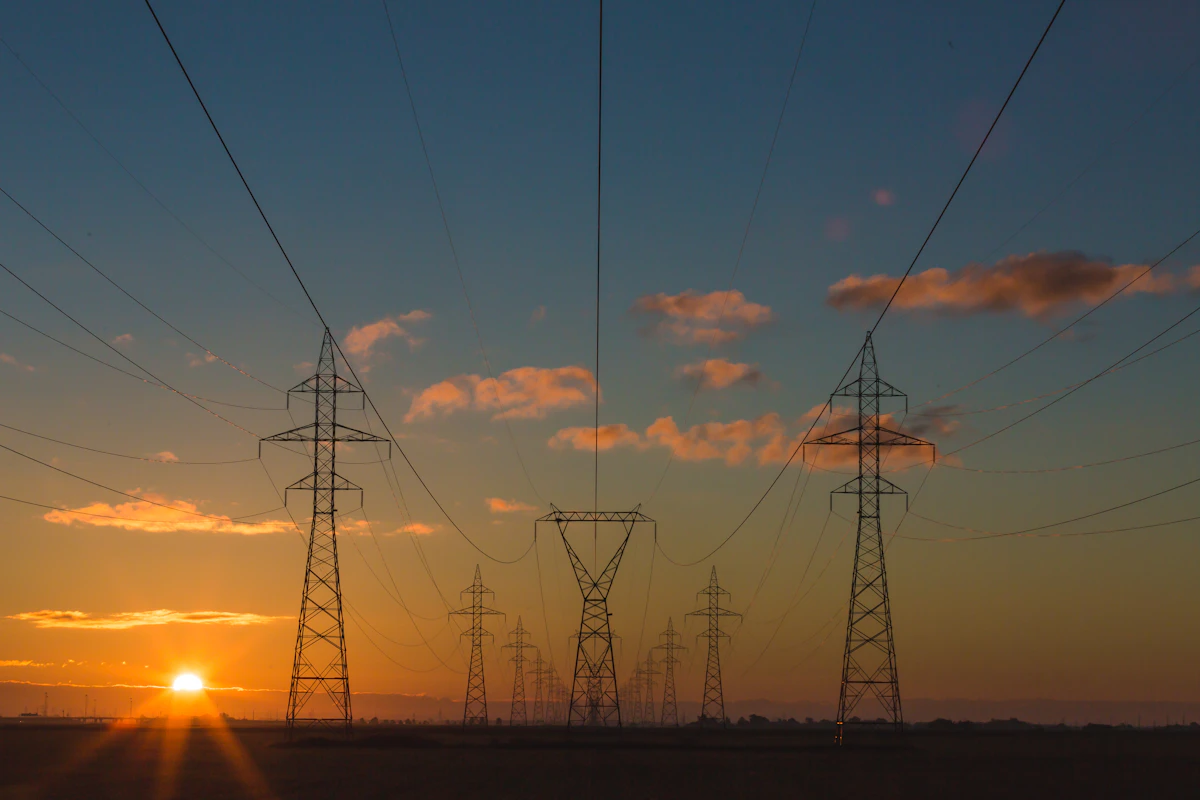
Image Source: Unsplash - Professional site assessment is crucial for an accurate estimate.
The 5 Pillars of an Accurate Solar Power System Estimate
A trustworthy estimate breaks down costs and performance transparently. Here are the core components any reputable provider should detail:
1. Energy Consumption Analysis (Your Starting Point)
This is the foundation. A provider needs at least 12 months of your utility bills. They're not just looking at total usage, but at your load profile—when you use power. A home that consumes most energy in the evening has different needs than one with daytime usage.
2. Site Assessment & Solar Potential
This goes beyond "you have a south-facing roof." Professionals use tools like NREL's PVWatts Calculator to model local weather patterns, roof pitch, shading from trees or chimneys, and available square footage. Even 10% shading can impact output significantly.
3. System Design & Component Selection
This is where quality diverges. The estimate should specify:
- Panel Type & Efficiency: Monocrystalline panels are more efficient (and costly) than polycrystalline.
- Inverter Technology: String inverters vs. microinverters vs. power optimizers. Microinverters optimize each panel's output, crucial for shaded roofs.
- Mounting & Racking: The hardware that secures your system for decades.
4. Installation, Permits, and Interconnection
Labor costs, local permit fees, and the utility's charge to connect your system to the grid ("interconnection fee") are hard costs. A good estimate includes these line items, not a single lump sum.
5. Financial Incentives and Total Net Cost
The estimate must clearly show the gross cost, then subtract applicable incentives. In the U.S., this means the 30% federal Investment Tax Credit (ITC). In Europe, schemes vary by country, like the EU's renewable energy directives which member states implement locally. The final "net cost" is your true starting investment.
| Component | Basic Estimate | Detailed, High-Quality Estimate |
|---|---|---|
| Panels | "8kW System" | 24 x Jinko Solar Tiger Neo 335W Monocrystalline (8.04kW total) |
| Inverters | Included | Enphase IQ8+ Microinverters (Panel-level optimization) |
| Estimated Annual Production | 9,500 kWh | 10,200 kWh (Site-specific modeling) |
| Warranty | 10 years system | 25 years panel performance, 25 years microinverter, 15 years workmanship |
Case Study: A Manufacturing Facility in Bavaria
Let's look at a real example from our work at Highjoule. A mid-sized manufacturing plant near Munich, Germany, approached us with volatile energy costs and a goal to stabilize operations.
The Challenge: High daytime energy demand, but the existing roof space was limited. A standard solar-only estimate showed they could only cover 40% of their daytime load, leaving them exposed to peak grid pricing.
The Highjoule Solution: We provided an integrated estimate for a solar-plus-storage system. The design included:
- A 250 kWp rooftop solar array.
- A 500 kWh Highjoule HES Series commercial battery energy storage system (BESS).
The Data & Outcome: The BESS was programmed to store excess solar generation from midday and discharge it during the late afternoon peak demand period. According to data from the Fraunhofer ISE, such strategies can maximize self-consumption. The result? The facility now covers over 80% of its daytime energy use with renewables, reduced its demand charges from the utility by 60%, and gained critical backup power for its production lines. The estimate, while higher upfront than solar-only, projected a payback period of under 7 years due to the much greater grid independence.
Beyond Panels: The Critical Role of Storage in Modern Estimates
If your estimate is only for solar panels, it's likely incomplete. As the Bavarian case shows, battery storage is transforming solar from a simple bill reducer to a comprehensive energy management solution. For homeowners, this means powering your home at night with solar energy captured during the day. For businesses, it means avoiding peak demand charges and ensuring operational continuity.
When evaluating storage in your estimate, ask:
- Usable Capacity: Not just total kWh, but how much you can actually use.
- Power Rating (kW): How much power it can deliver at once—can it start your air conditioner?
- Round-Trip Efficiency: How much energy is lost in the storage/retrieval process (a high-quality system exceeds 95%).
- Cycles & Warranty: The battery's expected lifespan under real use.

Image Source: Unsplash - A modern home battery storage unit.
The Highjoule Solution: Precision in Power Planning
At Highjoule, we believe an estimate should be a blueprint for energy independence, not just a quote. Since 2005, we've evolved from a component supplier to a global provider of intelligent, integrated storage solutions. Our approach to your solar power system estimate is fundamentally different because we start with your desired outcome—resilience, savings, sustainability—and engineer backwards.
For residential clients, our Home Energy Ecosystem pairs premium solar with our adaptive HES Series home batteries. Our AI-driven energy management software, Highjoule Synapse, is included in every estimate. It doesn't just monitor production; it learns your habits, weather patterns, and utility rates to automatically optimize when to store, use, or even sell energy back to the grid.
For commercial and industrial partners, our C&I and Microgrid solutions provide turnkey systems. We handle the complex feasibility studies, multi-layered incentive stacking, and long-term performance guarantees that make an estimate a bankable document. We don't just sell hardware; we deliver a guaranteed performance outcome.
Your Next Step Towards an Accurate Estimate
Armed with this knowledge, you're ready to engage with providers on a new level. You can now ask informed questions about component brands, degradation rates, and storage integration. Remember, the most accurate estimate for your solar power system will feel like a collaborative planning session, not a sales pitch.
So, what's the one energy goal you have that a conventional solar estimate might be missing—is it complete nighttime energy independence, insulating your business from volatile market prices, or creating a truly resilient community microgrid?
 Inquiry
 Online Chat