


Gospower Energy Storage Cabinet: Your On-Demand Power Plant for a Sustainable Future
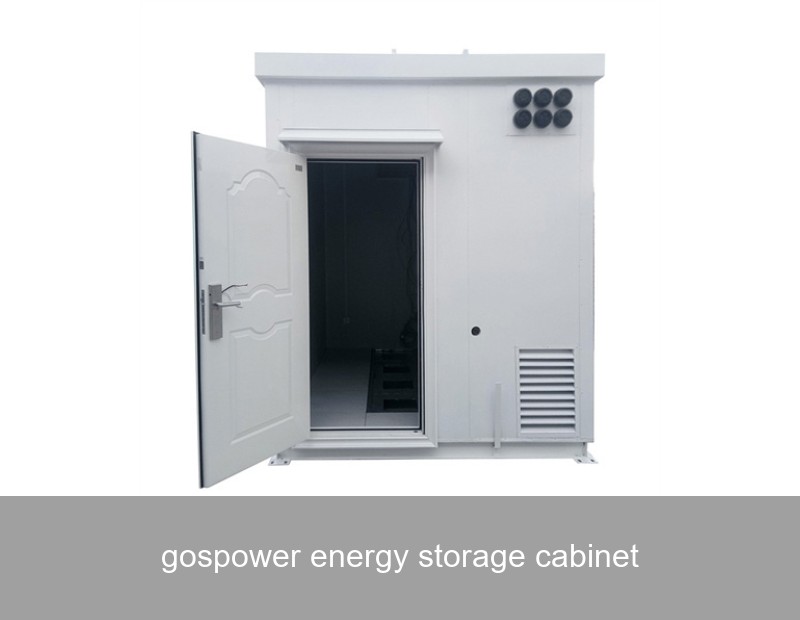
Imagine having a miniature, silent power station right on your property. One that charges when energy is cheap and abundant, and springs to life precisely when you need it most—during a blackout, at peak tariff hours, or when the sun isn't shining. This isn't science fiction; it's the reality enabled by a Gospower energy storage cabinet. For businesses, communities, and homeowners across Europe and the US, these sophisticated systems are transforming from a niche technology into a cornerstone of energy resilience and financial planning. But what exactly are they, and how can they work for you? Let's unpack the technology that's putting power back in your hands.
Why the Demand for Energy Storage is Surging Now
The energy landscape is undergoing a seismic shift. We're witnessing a dual phenomenon: the phenomenal rise of renewable generation like solar PV, coupled with increasing grid instability. In the US, the frequency and duration of power outages have been steadily increasing, with the U.S. Energy Information Administration noting that customers experienced an average of over 5 hours of interruptions in 2020. In Europe, volatile energy prices, especially following recent geopolitical events, have made predictable energy costs a top priority for any business.
This creates a critical gap. Solar panels produce energy only during the day, often creating a surplus at noon that is sold back to the grid at low rates, while you buy it back in the evening at a premium. The grid, meanwhile, struggles with these peaks and troughs. The Gospower energy storage cabinet is the perfect bridge. It stores that midday solar surplus or cheap off-peak grid power and releases it during expensive peak periods or outages. The result? Energy independence, cost savings, and a direct contribution to grid stability.

Image Source: Unsplash - A modern, cabinet-style battery storage system.
Key Components of a Modern Energy Storage Cabinet
Think of a Gospower energy storage cabinet not just as a big battery, but as an integrated energy management system. Its intelligence and safety are what set modern solutions apart.
- Battery Modules (The Muscle): Typically using Lithium Iron Phosphate (LFP) chemistry for its superior safety, long life, and stability. These are the core energy storage units.
- Battery Management System (BMS - The Brain): This is the critical guardian. It continuously monitors cell voltage, temperature, and state of charge to ensure optimal performance and prevent dangerous conditions like thermal runaway.
- Power Conversion System (PCS - The Interpreter): This includes inverters and converters. It manages the flow of electricity, converting the DC power from the batteries to the AC power your building uses, and vice-versa.
- Thermal Management System (The Climate Control): A dedicated cooling/heating system to keep the battery cells within their ideal temperature range, crucial for longevity and safety.
- Energy Management Software (The Conductor): The smart software that decides when to charge and when to discharge based on your settings, weather forecasts, and electricity price signals.
At Highjoule, we engineer every one of these components to work in seamless harmony. Our H-Cube Commercial Storage Series exemplifies this integrated approach, featuring a modular, cabinet-based design that allows for easy scaling from 100 kWh to multi-megawatt installations, all controlled by our proprietary JouleBrain AI platform for maximum ROI.
Safety and Standards: Non-Negotiable
Any discussion about battery storage must prioritize safety. Reputable systems like those from Highjoule are built to rigorous international standards (UL 9540, IEC 62619). They include multiple layers of protection: passive fire retardants, active gas-based fire suppression systems within the cabinet, and stringent isolation protocols. When evaluating a Gospower energy storage cabinet, certification and a transparent safety design are your first checklist items.
A Real-World Case Study: Powering a California Winery
Let's move from theory to practice. Napa Valley Vineyards (a pseudonym for a real client) faced a critical challenge. As a premium winery, their refrigeration, lighting, and processing equipment required unwavering power. Even a brief outage could spoil an entire batch of wine, representing a massive financial loss. Furthermore, their extensive solar array was underutilized, exporting most of its afternoon generation.
They partnered with Highjoule to install a 500 kWh H-Cube storage system, comprised of four interconnected energy storage cabinets, integrated with their existing solar.
| Metric | Before Installation | 12 Months After Installation |
|---|---|---|
| Grid Energy Consumption at Peak | ~90% of peak load | ~15% of peak load |
| Solar Self-Consumption | 35% | 92% |
| Outage Protection | None (Diesel Generator Backup Only) | Full critical load coverage for 10+ hours |
| Estimated Annual Savings | N/A | $48,000 (from demand charge reduction & arbitrage) |
The system is programmed to "peak shave," meaning it discharges during the utility's expensive demand charge windows (typically late afternoon/evening). It also provides instantaneous backup power during grid failures. The winery now operates with confidence, their product is protected, and their sustainable credentials are enhanced. This tangible example shows the multi-faceted value proposition of a well-integrated Gospower energy storage cabinet solution.
Choosing the Right Energy Storage Solution for Your Needs
Not all storage needs are the same. Your application dictates the system's specifications.
- Commercial & Industrial (Peak Shaving & Demand Charge Management): Focus is on power (kW) and energy (kWh) capacity to reduce the highest 15-30 minutes of usage in a month. Scalability and sophisticated energy management software are key.
- Residential (Self-Consumption & Backup): Emphasis is on safety, seamless integration with home solar, and quiet, compact design. Usable capacity and backup power speed are critical metrics.
- Microgrids & Off-Grid (Energy Assurance): Requires ultra-high cycle life, rugged durability, and the ability to integrate with multiple generation sources (solar, wind, generator). System control and dispatch algorithms are paramount.

Image Source: Unsplash - Solar plus storage for commercial applications.
The Highjoule Approach: Intelligent, Scalable Storage
With nearly two decades of experience since 2005, Highjoule's philosophy is that hardware and software must evolve together. Our Gospower energy storage cabinet solutions, like the H-Cube for C&I and the H-Home for residential use, are built on three pillars:
- Modularity: Start with what you need and add cabinets as your needs grow. This protects your initial investment and provides unparalleled flexibility.
- Intelligence: Our JouleBrain platform doesn't just react; it predicts. Using AI and weather data, it optimizes charge/discharge cycles to maximize financial return, whether for time-of-use arbitrage or participating in grid service programs like frequency regulation.
- Service & Support: We provide full lifecycle support, from initial site assessment and financial modeling to installation, commissioning, and remote monitoring. Our partnerships with certified installers across Europe and North America ensure local expertise.
For a large shopping center in Germany, this meant deploying a 2 MWh system that not only cuts peak demand but also generates revenue by providing primary control reserve to the national grid—a feature made possible by the system's rapid response capabilities and smart software.
The Future Outlook for On-Site Power
The trend is clear: decentralized, decarbonized, and digitalized energy is the future. The Gospower energy storage cabinet is the enabling hardware for this transition. As vehicle-to-grid (V2G) technology matures and electricity markets become more dynamic, the role of these storage systems will only expand. They will act as hubs, managing flow from solar, wind, EV chargers, and the grid to create truly resilient and efficient local energy ecosystems.
We are moving beyond simply saving on bills. We are building community resilience, enabling higher penetrations of renewables, and giving power back to the consumer. The question is no longer if you need an energy storage strategy, but when and how you will implement it.
What is the single biggest energy challenge your business or home faces today—is it unpredictable costs, reliability concerns, or achieving sustainability targets?
 Inquiry
 Online Chat