


Ground Mounted Solar PV System: Unlocking Large-Scale Renewable Energy Potential
When you think of solar power, rooftop panels might come to mind first. But look across fields, former industrial sites, or open landscapes, and you'll see the true workhorses of the energy transition: ground mounted solar PV systems. These expansive arrays are fundamentally reshaping how utilities, businesses, and communities generate clean electricity. Unlike their rooftop counterparts, ground-mounted installations offer unparalleled scalability and efficiency, making them the cornerstone of ambitious national and corporate renewable energy targets. For organizations looking to make a significant impact on their carbon footprint and energy costs, understanding this technology is the first step toward a sustainable power strategy.
Table of Contents
- The Rise of Utility-Scale Solar: More Than Just Panels on the Ground
- Key Advantages: Why Go Ground-Mounted?
- The Critical Role of Advanced Energy Storage
- A Real-World Case Study: Powering a European Industrial Park
- Designing for Success: Site, Technology, and Integration
- The Future is Integrated: Smart Microgrids and AI
The Rise of Utility-Scale Solar: More Than Just Panels on the Ground
So, what exactly is a ground mounted solar PV system? In essence, it's a large-scale photovoltaic array installed on the ground, using support structures fixed or designed to track the sun's path. These systems range from community solar projects a few megawatts (MW) in size to vast utility-scale plants exceeding hundreds of MW. According to the International Energy Agency (IEA), utility-scale solar PV is the lowest-cost option for new electricity generation in a significant majority of countries worldwide, driving explosive global growth.
The phenomenon is clear: nations and corporations are pivoting to solar to ensure energy security and meet climate goals. The data backs this up. In the United States, the Solar Energy Industries Association (SEIA) reports that large-scale solar accounted for over 70% of all new solar capacity installed in 2023. Europe continues to be a strong market, with ambitious REPowerEU plans accelerating deployment. But here's the insight many miss: the true value of these solar farms isn't realized by simply generating power when the sun shines. The real magic happens when this abundant but intermittent energy is harnessed, stored, and dispatched intelligently—transforming solar from a variable source into a reliable, on-demand power asset.
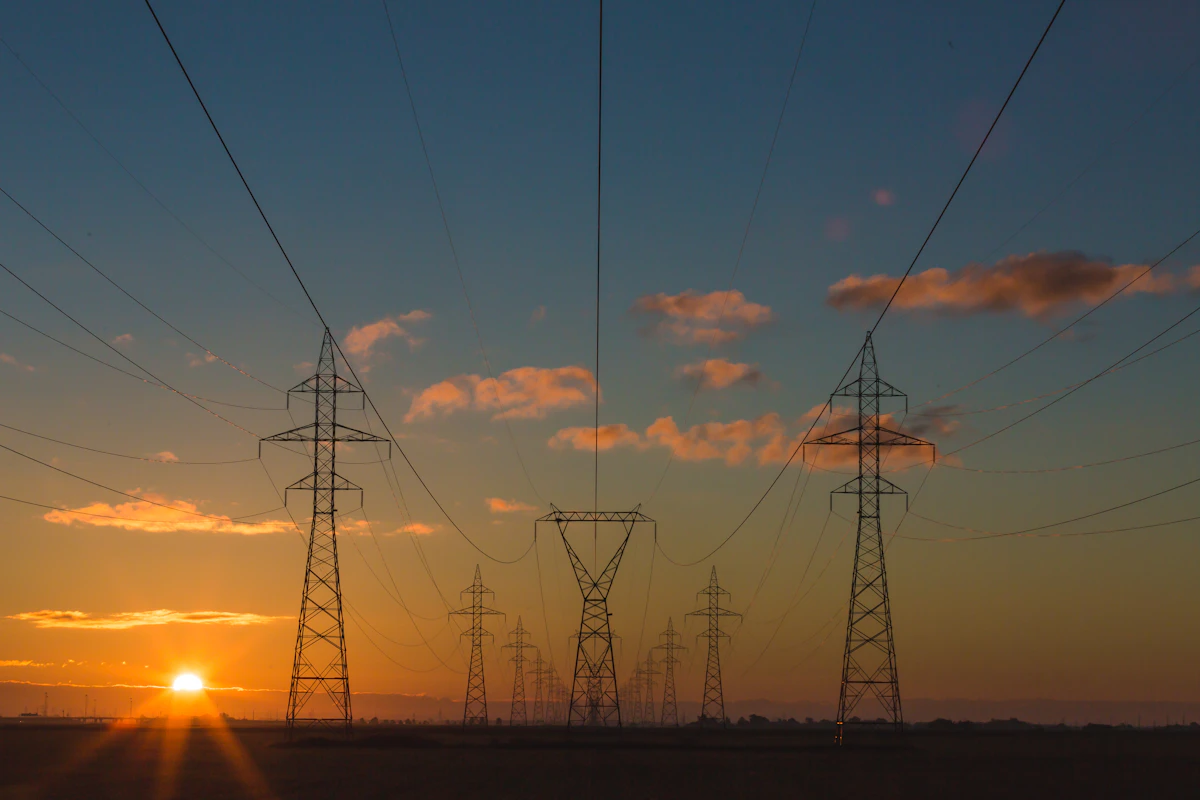
Image Source: Unsplash - A typical utility-scale ground mounted solar installation.
Key Advantages: Why Go Ground-Mounted?
Choosing a ground-mounted approach over rooftop solar offers distinct benefits for large energy consumers and developers. Let's break them down:
- Optimal Performance and Scalability: Ground systems can be oriented and tilted at the perfect angle for your geographic location, maximizing energy yield. They can also utilize single-axis or dual-axis tracking systems that follow the sun, boosting annual production by 15-25%. There's virtually no limit on system size based on roof space.
- Easier Maintenance and Accessibility: Imagine cleaning or servicing panels at ground level versus on a steep, high rooftop. It's safer, faster, and less costly. This accessibility ensures the system operates at peak efficiency for decades.
- Site Flexibility: They can be deployed on various terrains, including brownfields, agricultural land (often in dual-use agrivoltaic setups), and areas unsuitable for other development.
- Simplified Integration with Storage: This is perhaps the most critical advantage for modern energy projects. A ground-mounted solar plant provides ample, centralized space to colocate a large-scale battery energy storage system (BESS), creating a unified, dispatchable power generation facility.
The Critical Role of Advanced Energy Storage
Here's the pivotal question every project developer faces: "What happens when the sun sets or clouds roll in?" This is where the conversation evolves from solar generation to a comprehensive energy solution. Pairing your ground mounted solar PV system with a high-performance BESS is no longer a luxury; it's the key to project economics and grid stability.
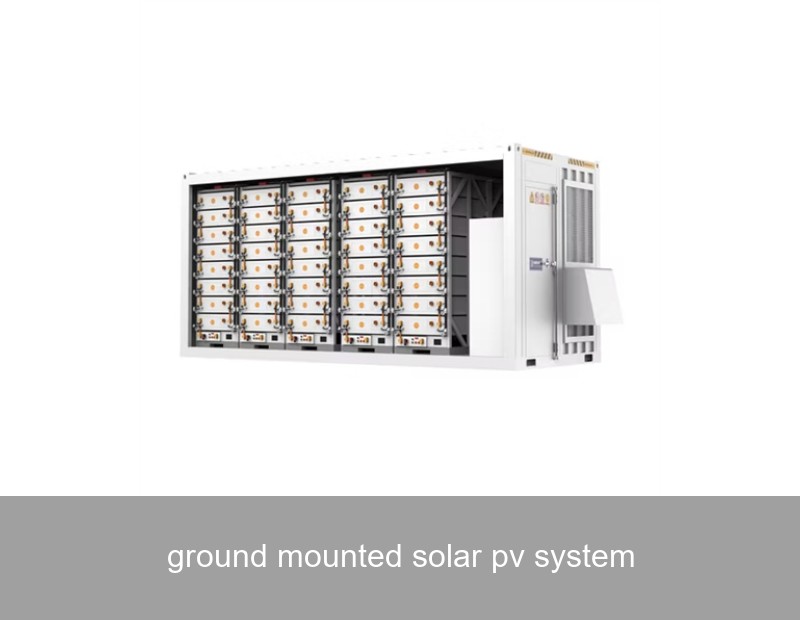
Storage allows you to capture excess solar energy produced at midday and shift it to periods of high demand and higher electricity prices (a strategy known as energy arbitrage). More importantly, it provides critical grid services like frequency regulation and voltage support. This is Highjoule's core expertise. As a global leader in advanced energy storage since 2005, Highjoule designs and deploys intelligent, containerized BESS solutions specifically engineered to integrate seamlessly with large-scale solar farms. Our systems, like the Highjoule HiveGrid Utility, feature advanced lithium-iron-phosphate (LFP) battery technology, sophisticated energy management software, and robust safety systems, ensuring your solar investment delivers reliable, 24/7 value.
A Real-World Case Study: Powering a European Industrial Park
Let's move from theory to practice with a concrete example from Southern Europe. A major manufacturing industrial park faced volatile energy prices and stringent corporate sustainability mandates. Their goal: achieve 80% renewable energy self-consumption and significantly reduce grid dependency.
The Solution: A 12 MW ground mounted solar PV system was developed on adjacent unused land, paired with a 4.8 MWh Highjoule HiveGrid Industrial battery storage system. The solar array features single-axis tracking to maximize yield.
The Results (Data from First Year of Operation):
| Metric | Result |
|---|---|
| Annual Solar Generation | 18.2 GWh |
| Solar Self-Consumption Rate (with BESS) | 92% |
| Grid Energy Cost Reduction | €1.7 million |
| Carbon Emissions Avoided | ~8,200 tonnes CO2e |
The Highjoule BESS was programmed to store surplus solar energy from midday and discharge it during the park's evening production peaks. It also provides seamless backup power during brief grid outages, preventing costly production halts. This case illustrates the powerful synergy between solar generation and intelligent storage, turning an intermittent resource into a predictable, cost-saving power plant.

Image Source: Unsplash - An industrial site with combined solar and storage.
Designing for Success: Site, Technology, and Integration
Deploying a successful large-scale solar project isn't just about buying panels and installing them. It's a multi-stage process where expertise matters.
- Site Assessment & Permitting: Detailed analysis of solar irradiance, soil conditions, grid connection capacity, and local regulations is paramount. Highjoule's project development team supports clients through this complex phase.
- Technology Selection: From high-efficiency bifacial panels to the choice between fixed-tilt and tracking mounts, each decision impacts long-term ROI. Equally crucial is selecting a storage partner with proven grid integration capabilities.
- System Integration & Smart Controls: This is the brain of the operation. Highjoule's proprietary Energy Management System (EMS) acts as the intelligent controller, deciding in real-time when to charge the batteries, when to discharge, and when to sell to the grid—all to optimize financial return and grid support.
The Future is Integrated: Smart Microgrids and AI
The next evolution for ground mounted solar PV systems is their role as the anchor for fully independent smart microgrids. Imagine a remote community, a university campus, or a critical infrastructure facility powered by its own solar farm, buffered by large-scale storage, and managed by AI-driven software that balances generation, consumption, and storage with precision. Highjoule is at the forefront of this innovation, providing turnkey microgrid solutions that combine our solar expertise with our flagship HiveGrid storage systems, enabling true energy resilience and autonomy.
As battery costs continue to decline and AI optimization tools become more sophisticated, the economic case for solar-plus-storage projects only grows stronger. The question is no longer "if" to build a ground mounted solar PV system, but "how to optimize it" for maximum financial and environmental return over its entire 25+ year lifespan.
Is your organization evaluating how a large-scale solar and storage project could secure your energy costs, reduce carbon emissions, and provide operational resilience for decades to come?
 Inquiry
 Online Chat