


How Much Solar Panel Damage is Too Much? A Guide for Homeowners and Businesses
You made a smart investment in solar energy, expecting decades of clean, low-cost power. But then a severe storm rolls through, or you notice mysterious dark spots on your panels during your annual roof inspection. A wave of concern hits: how much solar panel damage can my system tolerate before it becomes a serious problem? This isn't just about aesthetics; it's about performance, safety, and your return on investment. The truth is, not all damage is created equal. A small scratch might be cosmetic, while a nearly invisible micro-crack can silently sap your system's output by 30% or more. In this guide, we'll demystify solar panel damage, explore its real-world impact with concrete data, and show you how a holistic energy strategy—including robust storage—can protect your power and your peace of mind.
The Main Culprits: What Causes Solar Panel Damage?
Understanding the enemy is the first step to mitigation. Solar panels are built to be durable, but they face a constant barrage of environmental and human factors.
- Environmental Assault: This is the most common cause. Hail is the infamous one, but high winds can lift and drop panels, causing frame stress. Heavy snow accumulation creates pressure, and "cyclic loading" from repeated thermal expansion and contraction (hot days to cold nights) can fatigue materials over time.
- Physical Impact & Accidents: This includes fallen tree limbs, errant rocks from lawnmowers, and mishaps during roof maintenance or panel cleaning. Even improper installation or walking on panels can cause micro-cracks in the silicon cells.
- Degradation and "Snail Trails": Over 25+ years, panels naturally degrade, losing about 0.5%-0.8% of output per year. More concerning are "snail trails" or "microcracks," often stemming from initial cell cracks that oxidize and spread, significantly reducing efficiency. Moisture ingress due to a compromised back sheet or sealant can also lead to internal corrosion and hot spots.

Image Source: Unsplash (Representative image of panel surface inspection)
The Real Cost: How Damage Impacts Efficiency and Your Wallet
So, how much solar panel damage translates to financial loss? It's not linear. A single fully cracked cell might only reduce a panel's output by a fraction, as the current can bypass it. However, multiple cracks or damage that creates "hot spots" can be devastating.
| Type of Damage | Potential Power Loss (Per Panel) | Immediate Risk |
|---|---|---|
| Minor Frame Dent | 0-2% | Low (Mostly cosmetic) |
| Isolated Micro-Crack | 5-15% | Medium (Can propagate) |
| Multiple Cell Cracks / Snail Trails | 20-50%+ | High (Significant loss, hot spot risk) |
| Glass Breakage or Severe Hail Impact | 50-100% | Critical (Safety hazard, requires replacement) |
Consider this: For a typical 6kW residential system, a 20% overall efficiency drop means you're losing over 1,200 kWh annually in a sunny climate. At an average electricity rate of $0.23/kWh (common in parts of Europe and California), that's over $275 wasted every year. For a commercial installation, these numbers scale dramatically, impacting operational costs and sustainability goals.
Case Study: The 2023 Texas Hail Storm - A Data-Driven Look
Let's examine a real-world event. In March 2023, a severe hail storm swept through Central Texas, with hailstones reported as large as baseballs. A post-storm assessment by a solar maintenance company on a 50-panel commercial array revealed:
- 15 panels with severe glass spalling and cell damage (requiring full replacement).
- 22 panels with moderate to minor micro-cracking (estimated 10-30% efficiency loss).
- Only 13 panels were unscathed.
The system's estimated pre-storm daily output was 85 kWh. Post-damage, before any repairs, it was producing around 45 kWh—a ~47% reduction. The business faced not just a hefty insurance claim and downtime for repairs, but also weeks of significantly higher grid energy costs during peak operations. This highlights that the question isn't just "how much solar panel damage," but also "how quickly can I recover my energy independence?"
Prevention and Proactive Monitoring: Your First Line of Defense
An ounce of prevention is worth a kilowatt-hour of cure. Regular maintenance is key.
- Visual Inspections: Bi-annually, check for obvious cracks, glass damage, discoloration, and loose racking.
- Professional Assessments: Use drone-based thermal imaging (electroluminescence testing is even more precise). These scans identify hot spots and sub-visible cracks long before they cause major output drops. The National Renewable Energy Laboratory (NREL) provides extensive resources on PV reliability testing methods.
- Monitor Your Output: Your inverter's monitoring software is a vital tool. A sudden, sustained dip in production for your whole system or a single "string" of panels is a major red flag warranting a physical inspection.
The Critical Decision: When to Repair vs. When to Replace
Facing damaged panels, you have two paths. Replacement is straightforward but can be costly. Repair, often involving sealing cracks or replacing back sheets, is less expensive but may not restore full longevity. As a rule of thumb: if the damage affects the panel's weatherproof seal (risking water ingress) or covers more than 20-30% of the cell area, replacement is usually the safer, more cost-effective long-term choice. Always consult with a certified professional for an assessment.
The Highjoule Approach: Beyond Panels to a Resilient Energy Ecosystem
At Highjoule, we believe true energy security looks beyond any single component. While protecting your solar investment is crucial, a resilient power system plans for inevitable disruptions—whether from panel damage, grid outages, or simply nighttime. This is where intelligent energy storage becomes non-negotiable.
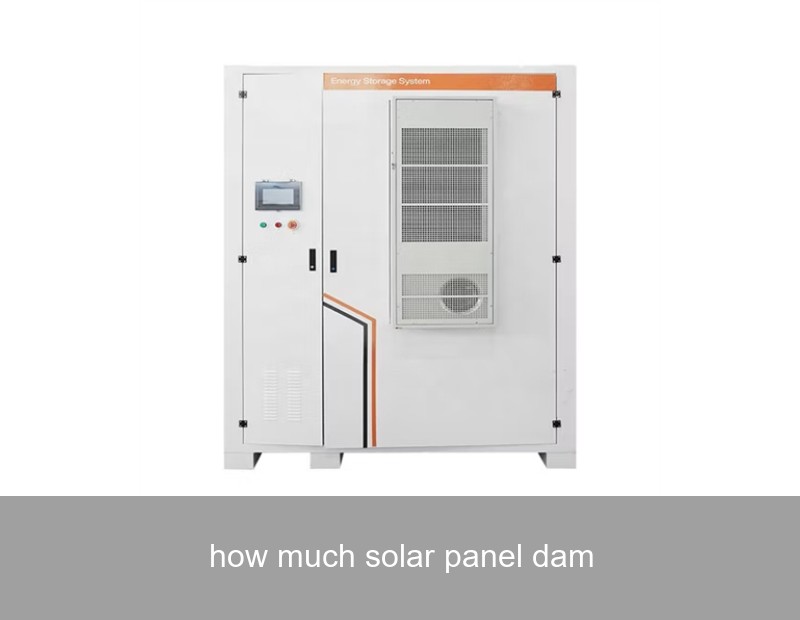
Our HPS Series commercial and industrial battery energy storage systems (BESS) and Helix Home residential units are designed to integrate seamlessly with solar arrays. Think of them as the "shock absorbers" for your energy ecosystem. On a day when panel damage reduces your solar harvest, your Highjoule system intelligently draws from stored energy to cover the deficit, maintaining your cost savings and sustainability targets. During a complete outage, it keeps your critical loads running.
Moreover, our Energy Management System (EMS) platform provides unparalleled visibility. It doesn't just monitor battery state-of-charge; it correlates energy production, consumption, and storage, helping you identify performance anomalies that might point to emerging panel issues. For microgrid applications, this integrated control is the backbone of reliability, allowing a community or facility to island itself and run on solar+storage, even if part of the solar field is temporarily underperforming.

Image Source: Unsplash (Representative image of a home solar and storage installation)
Your Energy Resilience Plan: The Next Step
Asking "how much solar panel damage is acceptable?" is the right question, but it's part of a larger conversation about holistic energy health. We've seen how damage occurs, its tangible financial impact, and the value of proactive monitoring. The modern energy landscape demands a system that is not just efficient, but also adaptive and resilient.
Does your current solar setup have a plan B for the day production inevitably dips? What would the true cost of that downtime be for your home comfort or business operations?
 Inquiry
 Online Chat