


Household Solar Battery Storage: The Key to Unlocking True Energy Independence
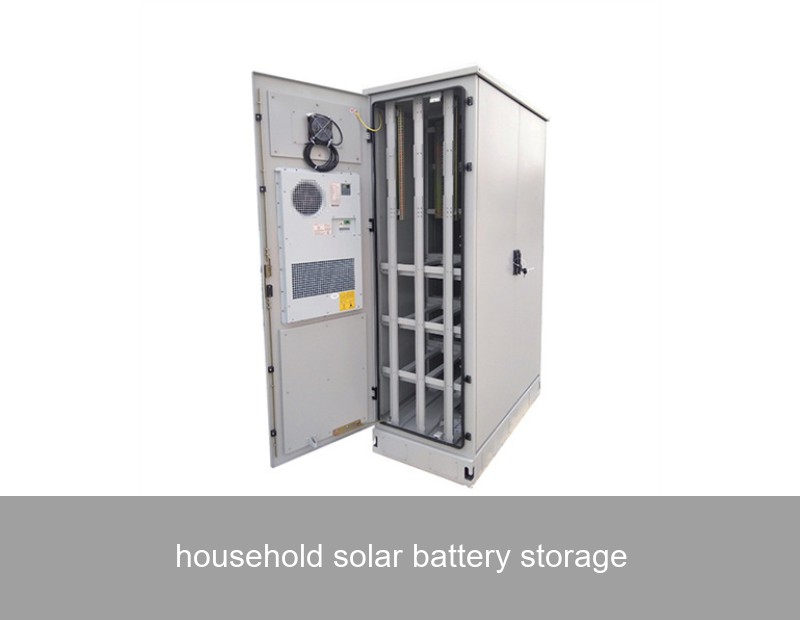
Imagine this: your solar panels are working hard under the afternoon sun, but you're at work. That clean energy is flowing back to the grid. Then, in the evening when you're home cooking dinner and watching TV, the sun is gone, and you're buying power back at a higher rate. This common scenario is what makes household solar battery storage the game-changing partner to rooftop solar. It's no longer just about generating green energy; it's about controlling it. For homeowners in Europe and the US, integrating a battery system is the final, crucial step toward maximizing self-consumption, building resilience, and taking charge of your household energy economics. Companies like Highjoule, with nearly two decades of expertise, are at the forefront of making this intelligent energy management accessible and reliable.
Table of Contents
The Phenomenon: Solar Power's Missing Piece
For years, the promise of solar was simple: reduce your electricity bills and your carbon footprint. And it delivers—to a point. The inherent mismatch between solar production (peak daytime) and household consumption (peak morning and evening) leaves significant value on the table. This gap is widened by the changing energy market dynamics, notably the decline of lucrative feed-in tariffs and the rise of time-of-use (TOU) rates, where utilities charge more for power during high-demand evening hours.
This is where household solar battery storage enters the picture, transforming a one-way solar system into a sophisticated, self-sufficient energy hub. The battery acts as a personal energy reservoir, capturing excess solar generation for use when you need it most. Beyond bill savings, the growing frequency of grid outages due to extreme weather in the US and energy security concerns in Europe has made backup power a primary concern for many. A battery system provides peace of mind, keeping lights on and refrigerators running autonomously.

Image Source: Unsplash - A modern home equipped with solar panels and a wall-mounted battery storage unit.
The Data: Why Timing is Everything in Energy
Let's look at the numbers. According to the U.S. Department of Energy, the average American home uses about 30% of its electricity during daylight hours when solar production is high. The remaining 70% is consumed in the evening and overnight. Without storage, a typical home solar system might only cover 30-50% of total consumption directly.
With a battery, self-consumption of solar energy can jump to 70% or higher. The financial impact is stark. In regions like California with steep TOU rates, the difference between the cost of grid power at 7 PM and the value of solar exported at 1 PM can be a spread of over $0.25 per kWh. Over a year, optimizing this arbitrage can amplify solar savings by 40-60%. Furthermore, data from the SolarPower Europe association indicates the EU battery storage market for homes grew by over 50% in 2023, signaling a rapid mainstream adoption.
| Scenario | Self-Consumption of Solar | Estimated Grid Reliance at Night | Backup Capability During Outage |
|---|---|---|---|
| Solar Panels Only | 30-50% | High | None |
| Solar + Battery Storage | 70-90%+ | Low to Zero | Full Essential Loads |
Case Study: The Smith Family's Journey in California
Let's make this real with the Smiths (name changed for privacy), a family of four in Sacramento, California. In 2020, they installed a 8kW solar system. While their summer bills were low, winter bills and high "non-bypassable charges" were frustrating. In late 2022, they added a 13.5 kWh household solar battery storage system.
- Bill Savings: Their annual electricity cost dropped from an average of $1,200 post-solar to just under $300 (the mandatory minimum connection fee).
- Self-Sufficiency: Their direct solar usage jumped from 48% to 89%.
- Grid Services: By enrolling in a utility virtual power plant (VPP) program, the battery earned them $420 in incentives for supporting grid stability during heatwaves.
- Peace of Mind: They experienced three brief grid outages. Their home's essential circuits—lights, internet, refrigerator, and one AC zone—ran seamlessly each time.
"The solar panels were a great first step," Mrs. Smith noted, "but the battery made us feel truly in control. We don't worry about rate hikes or rolling blackouts anymore."
The Technology Inside Your Home Battery
Modern household solar battery storage is more than just a box of cells. It's an integrated energy management system. At its heart are typically Lithium Iron Phosphate (LFP) batteries, chosen for their long life, safety, and stability. The true intelligence lies in the inverter and energy management system (EMS).
This brain constantly makes decisions: Should I charge from solar or the grid (during cheap off-peak rates)? Should I power the home or export? When is the right time to provide grid services? Key specifications to understand include:
- Usable Capacity (kWh): The actual amount of energy you can store and use.
- Power Rating (kW): How much power it can deliver at once. This determines how many appliances you can run simultaneously on backup.
- Round-Trip Efficiency: The percentage of energy put in that you get back out (top systems exceed 90%).
- Depth of Discharge (DoD): The percentage of the battery that can safely be used without harming its lifespan.
Highjoule's Tailored Solutions for Modern Homes
This is where Highjoule's expertise, honed since 2005 across commercial, industrial, and residential applications, truly benefits the homeowner. We understand that a one-size-fits-all approach doesn't work for energy. Our residential product line, the Highjoule H-Series, is designed for modularity, intelligence, and durability.
Our flagship product, the H-Core 10 battery module, offers 10 kWh of usable capacity with a 5kW continuous power output. Homes can start with one or two units and expand as their needs grow. What sets it apart is the Adaptive EMS, which learns your home's consumption patterns and local utility rate structures, automatically optimizing for maximum savings or preparedness.
For larger homes or those seeking whole-home backup, our H-Core 10 units integrate seamlessly with the Highjoule Unity Hub, a hybrid inverter that manages solar, battery, and grid connections as a single, cohesive system. All this is monitored through an intuitive app that gives you real-time visibility and control over your home's energy flow.
Our services extend beyond hardware. Highjoule provides a full lifecycle partnership, from initial home energy assessment and system design to professional installation, regulatory compliance support (crucial in diverse US and European markets), and long-term performance monitoring.

Image Source: Unsplash - A homeowner monitoring their energy system via a smartphone app.
Making the Choice: Key Considerations
So, how do you decide if household solar battery storage is right for you? Ask these questions:
- What are my primary goals? (Maximizing solar ROI, backup power, energy independence, participating in grid programs?)
- What is my utility's rate structure? High TOU differentials or demand charges improve the battery's payback period.
- What essential loads do I need during an outage? This determines the necessary battery capacity and power rating.
- Is my solar system battery-ready? Most modern inverters are, but older systems may need an upgrade—a process Highjoule experts guide you through.
Look for a provider with proven technology, a strong warranty (Highjoule offers a 10-year performance guarantee), and deep system integration knowledge, not just component sales.
The Future is Interactive and Decentralized
The next evolution of household solar battery storage is the formation of Virtual Power Plants (VPPs). By aggregating thousands of home batteries, utilities can call on this distributed resource to balance the grid during peak demand, avoiding the need for fossil-fuel "peaker" plants. Homeowners get paid for this service. It's a win-win, turning passive consumers into active grid citizens. Highjoule is already partnering with forward-thinking utilities in Europe and North America to pilot these programs, giving our customers access to these additional revenue streams.
Your home has the potential to be more than a place to live—it can be a clean, resilient power station. What will you do with the power you generate?
 Inquiry
 Online Chat