


How Much Power Does a 10kVA Solar Kit Really Deliver? A Practical Guide
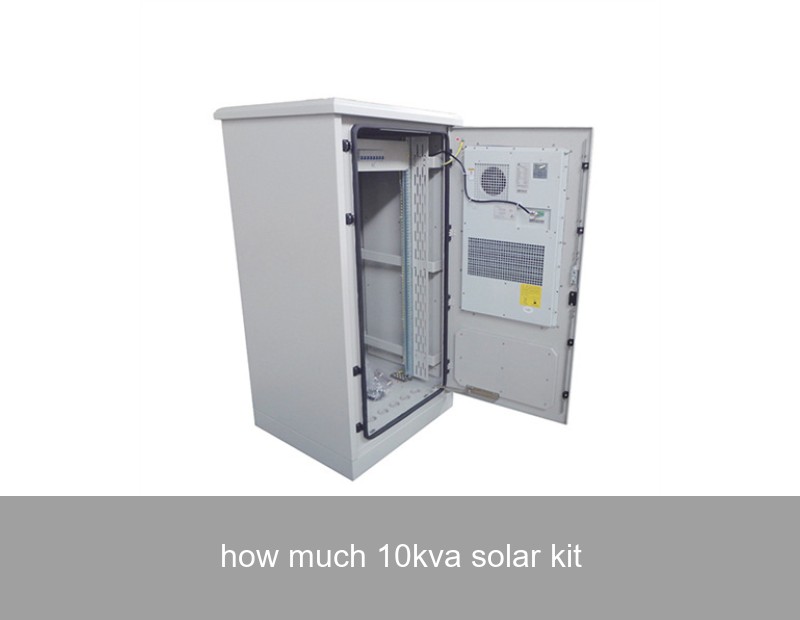
If you're exploring solar energy for your home or business, you've likely come across systems rated in "kVA" or kilovolt-amperes. A 10kVA solar kit is a popular and powerful choice, but what does that number actually mean for your daily energy needs? More importantly, how much electricity, independence, and savings can you genuinely expect? As a product technology expert at Highjoule, I spend my days demystifying these questions. Let's move beyond the spec sheet and uncover the real-world performance of a 10kVA solar power system, factoring in everything from your local climate to the crucial technology that stores the sun's energy.
Key Components of a 10kVA Solar Power System
Think of a 10kVA solar kit as a sophisticated energy ecosystem, not just a set of panels. The "10kVA" rating primarily refers to the capacity of the system's inverter—the brain that converts direct current (DC) from the panels into usable alternating current (AC) for your appliances. However, the total energy harvest depends on all components working in harmony.
- Solar Panels (Array): Typically, a 10kVA system requires around 10-13 kWp (kilowatt-peak) of panel capacity to efficiently feed the inverter. This equates to 25-32 premium panels, depending on their individual wattage.
- Inverter (10kVA): This is the system's heart. A quality 10kVA inverter manages the power flow, maximizes efficiency, and ensures grid compatibility. Modern hybrid inverters can also manage battery storage.
- Battery Storage System (Optional but Recommended): This is the game-changer. Without storage, excess solar energy is exported to the grid. With a battery, you store it for use at night or during outages. The choice of battery—its capacity, chemistry, and intelligence—profoundly impacts system value.
- Mounting & Balance of System (BOS): Racking, cabling, switches, and monitoring software complete the installation.
For instance, at Highjoule, we don't just supply components; we provide integrated smart energy storage systems. Our approach ensures that the inverter, battery, and energy management software are designed to work seamlessly together, maximizing the utility of every kilowatt-hour your 10kVA-capable panels produce.
Real-World Output: How Much Power Can You Expect?
Here's the essential truth: your 10kVA inverter will almost never produce 10kW of AC power continuously. That's a theoretical maximum. Real production is dictated by "peak sun hours."
Let's break it down with a table for different locations. We'll assume a well-designed system with 12 kWp of panels and an overall system efficiency of 80% (factoring in losses from heat, wiring, etc.).
| Location (City) | Average Daily Peak Sun Hours* | Estimated Daily Energy Production (kWh)** | Estimated Monthly Production (kWh) |
|---|---|---|---|
| Phoenix, USA | 6.5 | 12 kWp * 6.5 hrs * 0.80 = 62.4 kWh | ~1,872 kWh |
| Los Angeles, USA | 5.5 | 12 kWp * 5.5 hrs * 0.80 = 52.8 kWh | ~1,584 kWh |
| Rome, Italy | 4.8 | 12 kWp * 4.8 hrs * 0.80 = 46.1 kWh | ~1,383 kWh |
| Berlin, Germany | 3.0 | 12 kWp * 3.0 hrs * 0.80 = 28.8 kWh | ~864 kWh |
*Data based on annual averages from sources like Global Solar Atlas and NREL. **Calculation: Panel kWp x Sun Hours x System Efficiency.
As you can see, geography is destiny for solar. A system in sunny Arizona will produce over double that of one in Northern Europe on a typical winter day. But that doesn't mean solar isn't viable in Berlin—it means your system design, especially the integration of storage, becomes even more critical to capture and utilize that precious sunlight.
From Theory to Practice: A European Case Study
Let's make this concrete. A medium-sized winery in the Rhône Valley, France, installed a 10kVA hybrid solar system with 11.5 kWp of panels and a Highjoule H-ESS 15 battery storage unit (15 kWh usable capacity). Their goals were to reduce grid dependence during peak irrigation and cooling seasons and secure backup power for critical refrigeration.
- Annual Production: ~14,200 kWh (closely matching our model for a similar sun zone).
- Self-Consumption Increase: Without storage, they consumed 35% of solar energy directly. With the Highjoule system's intelligent energy management, their self-consumption rate jumped to 82%.
- Grid Import Reduction: They reduced purchased grid electricity by over 70% during summer months.
- ROI & Backup: The system is on track for a payback period under 7 years, and they now have seamless backup power for over 10 hours during grid outages, protecting valuable inventory.
This case highlights that the value of a 10kVA solar kit is not just in generation, but in intelligent consumption and storage.
Beyond the Panels: The Critical Role of the Battery System
As the case study shows, the battery is what transforms a solar generator into a true energy asset. For a 10kVA system, pairing it with the right storage is key. You need a battery that can handle the inverter's potential power output and has sufficient capacity to meet your evening load.
Highjoule's H-ESS Series is engineered for this exact synergy. Our lithium iron phosphate (LiFePO4) batteries are known for safety, longevity (over 6,000 cycles), and stable performance. More importantly, our integrated energy management platform doesn't just store energy; it learns your usage patterns, automatically decides the most economical time to charge or discharge (considering time-of-use tariffs), and provides fail-safe backup power. This intelligence ensures your 10kVA system works for you, 24/7.

The Highjoule Integrated Solution for 10kVA Needs
When you choose a Highjoule system, you're selecting a unified solution, not a bundle of disparate parts. For a robust 10kVA solar and storage installation, we typically recommend:
- Highjoule HI-10 Hybrid Inverter: A 10kVA inverter with high peak efficiency (98.2%), multiple MPPT trackers for complex roof layouts, and built-in grid-forming capability for off-grid operation.
- Highjoule H-ESS Battery: Scalable from 10 kWh to 30 kWh, allowing you to start with what you need and expand later. Its modular design and compact footprint make it ideal for both residential and commercial settings.
- Highjoule Energy OS: The software layer that gives you complete visibility and control via a smartphone app, enabling smart savings modes and real-time system health monitoring.
This holistic approach, backed by over 15 years of global experience, ensures your system is reliable, efficient, and future-proof.
Is a 10kVA Solar Kit Right for Your Home or Business?
So, who is the ideal candidate for a system of this scale? A 10kVA solar kit is typically suited for:
- Larger Homes: With high electricity consumption (1,500 - 3,000+ kWh monthly), electric vehicle charging, and pool pumps.
- Small to Medium Businesses (SMBs): Offices, workshops, retail stores, or agricultural operations with significant daytime energy use.
- Properties Seeking Energy Resilience: Those in areas with unreliable grids or a strong desire for backup power.
The ultimate question isn't just "how much does it produce?" but "how much of what it produces can I use, and how much does that save me while making my property more resilient?"
Given the climate and energy price trends in your region, what would be the single biggest benefit for you: slashing your peak-hour electricity bills, achieving energy independence, or ensuring your business never loses power?
 Inquiry
 Online Chat