


How Much Energy Does Mexico Need? Unpacking Demand and Sustainable Solutions
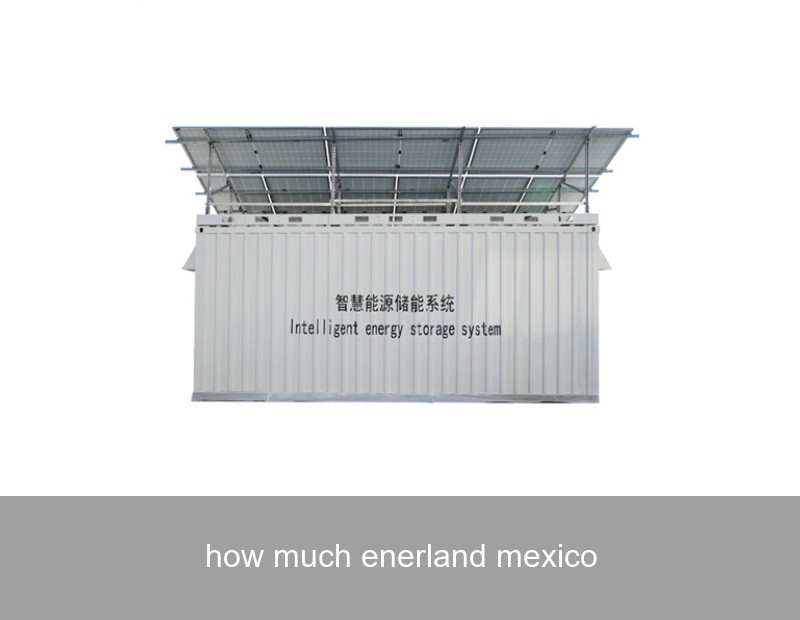
Mexico stands at a fascinating energy crossroads. As its economy grows and its population becomes more connected, a critical question emerges: how much energy does Mexico need to power its future sustainably? The answer isn't just a single number; it's a complex equation involving rising demand, ambitious renewable goals, and the urgent need for grid stability. For businesses and communities, this translates into a direct challenge: ensuring reliable, cost-effective power while contributing to a cleaner grid. This is where modern energy storage systems (ESS) become not just useful, but essential. Companies like Highjoule, a global leader in advanced energy storage since 2005, are pivotal in providing the intelligent battery solutions that help nations like Mexico balance this equation.
Table of Contents
- The Demand Phenomenon: Mexico's Growing Appetite for Power
- The Data Story: Numbers Behind the Need
- The Storage Imperative: Bridging the Gap Between Sunlight and Consumption
- Highjoule in Action: A Case Study from the Yucatán Peninsula
- Beyond the Battery: Highjoule's Holistic Approach
- Future Horizons: What's Next for Mexico's Energy Landscape?
The Demand Phenomenon: Mexico's Growing Appetite for Power
Drive through the industrial corridors of Monterrey or watch the rapid urbanization along the Riviera Maya, and you'll witness Mexico's dynamic growth firsthand. This progress is electrically powered. From manufacturing plants and sprawling data centers to new residential developments and tourism infrastructure, the demand for electricity is on a steady climb. The Mexican government's own projections indicate sustained growth in gross electricity consumption. However, this increasing demand often meets an aging grid infrastructure, leading to concerns about reliability, especially during peak hours or extreme weather events.

Furthermore, Mexico has made significant commitments to clean energy, with a goal of generating 35% of its electricity from clean sources by 2024. Solar energy, in particular, has seen massive investment. But here's the catch: solar generation peaks in the middle of the day, while energy demand often peaks in the early evening when the sun sets. This creates a mismatch—a surplus when we don't fully need it and a deficit when we do. So, when we ask "how much energy does Mexico need", we must also ask: "How can we ensure it's available at the right time?"
The Data Story: Numbers Behind the Need
Let's look at some concrete figures to understand the scale. According to reports from the International Energy Agency (IEA), Mexico's total electricity consumption has been steadily rising over the past decade. While annual growth rates fluctuate, the long-term trend is unequivocally upward, driven by economic and demographic factors.
On the generation side, the potential is staggering. Mexico's solar irradiance is among the best in the world, particularly in its northwestern and central regions. Studies suggest that if fully harnessed, solar power alone could meet the country's electricity needs many times over. But potential and delivered power are two different things. The intermittent nature of renewables like solar and wind creates volatility on the grid. Without a mechanism to store the excess energy produced at noon for use at 7 p.m., the system relies heavily on fossil-fuel-based "peaker" plants, which are expensive and carbon-intensive.
| Challenge | Impact | Solution Enabler |
|---|---|---|
| Rising Peak Demand | Grid strain, higher costs, risk of outages | Peak Shaving with BESS |
| Solar Intermittency | Unused midday energy, evening shortfall | Energy Time-Shifting |
| Grid Modernization Needs | Reliability issues in remote/industrial areas | Deployable Microgrids & ESS |
The Storage Imperative: Bridging the Gap Between Sunlight and Consumption
This is precisely where Battery Energy Storage Systems (BESS) become the game-changer. Think of a BESS as a massive, intelligent power bank for the grid, a factory, or even a shopping mall. It doesn't generate electricity but stores it when it's abundant and cheap (or when your on-site solar panels are overproducing) and dispatches it when it's scarce and expensive. This process, known as "energy time-shifting," is fundamental to making renewable energy a reliable 24/7 power source.
For a commercial or industrial facility in Mexico, the benefits are direct and measurable:
- Cost Savings (Peak Shaving): Utility bills often include demand charges based on the highest 15-minute power draw in a month. A BESS can discharge during these short peak periods, dramatically cutting these charges.
- Backup Power: Provides seamless, instantaneous power during grid outages, keeping operations running and data secure.
- Sustainability Goals: Maximizes the self-consumption of on-site solar, reducing carbon footprint and moving towards energy independence.
At Highjoule, we specialize in designing and deploying these intelligent systems. Our solutions, like the Highjoule GridMax Commercial Series, are engineered for high-cycling and harsh environments, making them perfectly suited for Mexico's diverse climate. They come integrated with our Aurora Energy Management System (EMS), a smart software platform that automatically optimizes battery operation for economic savings or grid support, taking the complexity out of the owner's hands.
Highjoule in Action: A Case Study from the Yucatán Peninsula
Let's move from theory to practice. A major resort complex in the Yucatán Peninsula faced a dual challenge: skyrocketing electricity costs during the tourist high season and a commitment to reduce its environmental impact. Their existing 500 kW rooftop solar array was covering about 30% of their daytime load, but a huge amount of energy was being exported to the grid at low rates, only for them to buy it back at a premium in the evening.
Highjoule's team conducted a detailed energy audit and designed a turnkey solution: a 1 MWh GridMax C&I storage system integrated with their existing solar PV. The system was configured to:
- Store excess solar generation from midday.
- Discharge during the evening peak (6 PM - 10 PM), effectively "shaving" the peak demand.
- Provide critical backup power to key facilities like kitchens and security during the region's frequent brief grid disturbances.
The results, monitored over 12 months, were compelling:
- 22% reduction in overall monthly electricity costs.
- Increase in solar self-consumption from ~30% to over 75%.
- ROI period projected at under 5 years.
- Enhanced guest satisfaction due to uninterrupted power.
This case is a microcosm of the broader national opportunity. It shows that asking "how much energy does Mexico need" is only half the question. The other half is: "How efficiently and intelligently can we manage and deploy the energy we already produce?"
Beyond the Battery: Highjoule's Holistic Approach
Providing a battery cabinet is just the beginning. Highjoule's expertise lies in delivering complete, performance-guaranteed power solutions. For our clients in the Americas and Europe, this means:
- End-to-End Service: From initial consultancy and feasibility studies, through system design and grid compliance, to installation, commissioning, and long-term remote monitoring.
- Technology Agnosticism: We select the best-in-class battery cell technology (be it LFP Lithium-ion) for the specific application, ensuring safety, longevity, and performance.
- Microgrid Solutions: For remote industrial sites or communities, we design integrated systems combining solar, storage, and backup generators into a resilient, self-sufficient microgrid.
Our systems are built with the future in mind. The Aurora EMS platform can receive signals from grid operators, allowing stored energy to provide grid services like frequency regulation—a key need as Mexico's grid incorporates more renewables. This turns a cost-saving asset into a potential revenue stream.
Future Horizons: What's Next for Mexico's Energy Landscape?
The path forward for Mexico is one of modernization and intelligence. The integration of distributed energy resources (DERs) like rooftop solar, paired with storage, will transform consumers into "prosumers"—both producing and managing energy. This decentralized model enhances national energy security and resilience. Policy frameworks, such as those detailed by resources like the Secretaría de Energía (SENER), will continue to evolve to encourage this transition.
The question of "how much energy does Mexico need" will always be evolving. But the more strategic question is becoming clear: How do we build an energy system that is not just larger, but smarter, more resilient, and more sustainable? Energy storage is the linchpin of that vision.
Is your business or community in Mexico or beyond ready to audit its true energy needs and explore how intelligent storage can turn energy challenges into economic and environmental advantages? What's the first step you would take to gain control over your power profile?
 Inquiry
 Online Chat