


What is a Hybrid Generation System and Why is it the Future of Energy?
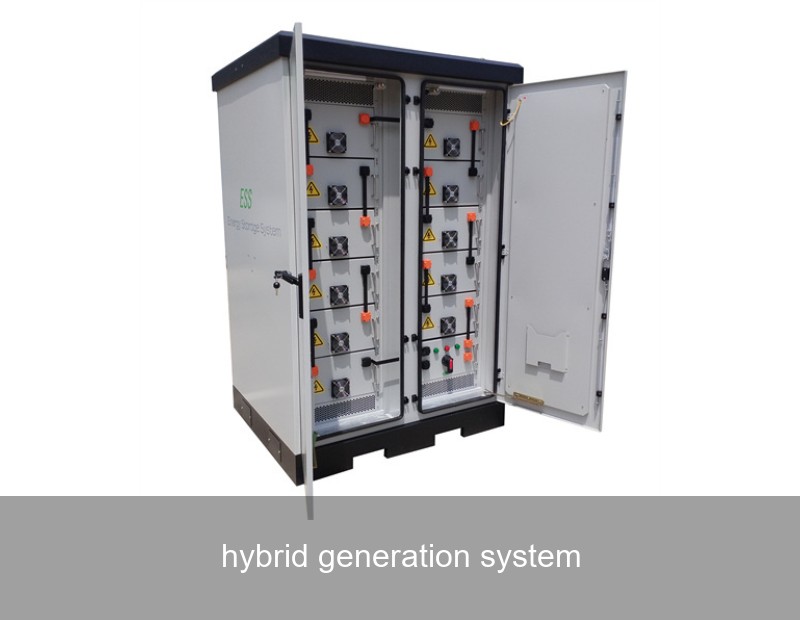
If you’re managing a business, a community, or even a large home, you’ve likely felt the pinch of rising electricity costs and growing concerns about grid reliability. The solution many are turning to isn't a single technology, but a powerful combination: the hybrid generation system. At its core, a hybrid generation system intelligently integrates multiple energy sources—like solar panels, wind turbines, and battery storage—with a sophisticated control system to create a resilient, efficient, and sustainable power supply. For over 18 years, Highjoule has been at the forefront of this revolution, designing smart energy solutions that empower businesses and communities to take control of their power. Let's explore how this integrated approach is redefining energy independence.
Table of Contents
The Energy Dilemma: Volatility and Cost
Our modern grids, while impressive, are showing strain. From extreme weather events causing prolonged outages in the US to volatile wholesale energy prices in Europe, relying solely on the traditional grid is becoming a significant business risk. Renewable energy sources like solar offer a clean alternative, but they have an inherent intermittency—the sun doesn't always shine. This is the fundamental challenge: how do we capture clean energy and make it available precisely when and where it's needed?
The answer lies in moving from a single-source mindset to an integrated one. A standalone solar array is great, but pairing it with a battery transforms it. Add a smart controller that can also manage a backup generator or interact with the grid, and you have a system that is far greater than the sum of its parts. This is the essence of hybrid power.
Deconstructing the Hybrid Generation System
A hybrid generation system is more than just equipment; it's a symphony of components working in concert. Here’s what makes up a typical setup:
- Generation Sources: Solar PV arrays are the most common primary source. Wind turbines can be added in windy regions. Often, a natural gas or diesel generator serves as a secondary or backup source.
- Energy Storage: This is the heart of the system. Lithium-ion battery energy storage systems (BESS) store excess solar generation for use at night, during peak price periods, or during an outage.
- The Intelligent Controller (The "Brain"): This is the crucial differentiator. An advanced energy management system (EMS) constantly analyzes weather forecasts, energy consumption patterns, electricity tariffs, and grid signals. It makes real-time decisions on whether to store, consume, or sell energy.
- Power Conversion & Grid Connection: Inverters convert DC power from solar and batteries to AC for use. The system can be configured to operate in grid-tied mode (importing/exporting) or in intentional island mode (fully off-grid).

Image Source: Unsplash (Representative diagram of a hybrid energy system)
The Logic Ladder: From Simple to Sophisticated
The operation follows an elegant, automated logic:
- Priority 1: Power loads directly from solar generation in real-time.
- Priority 2: Direct any excess solar to charge the battery storage system.
- Priority 3: Once batteries are full, excess energy can be exported to the grid for credits (where available).
- Priority 4: When solar is insufficient (e.g., at night), power is drawn from the charged batteries.
- Priority 5: If batteries are depleted and grid power is expensive or unstable, the system can start a backup generator or strategically draw a limited amount from the grid, all based on pre-set economic and resilience parameters.
The Highjoule Advantage: Intelligence at the Core
While the components are similar across vendors, the intelligence that orchestrates them is not. This is where Highjoule's expertise, honed since 2005, truly shines. Our HiveMind Energy Management Platform is the central nervous system of our hybrid solutions.
For commercial and industrial clients, HiveMind doesn't just react—it predicts and optimizes. It uses machine learning to understand your facility's load profile and integrates with utility price signals and weather data to execute sophisticated strategies like peak shaving and demand charge management. Imagine automatically reducing your grid draw during the 2-3 most expensive hours of the month, saving thousands on your electricity bill without lifting a finger.
Our product suite is designed for this integration. The Highjoule C&I Battery Cabinet offers scalable, containerized storage with industry-leading safety and cycle life. Paired with our Hybrid Power Conversion Systems and managed by HiveMind, we deliver turnkey hybrid generation systems that guarantee performance, resilience, and a clear return on investment.
Case Study: Powering Resilience in California
Let's look at a real-world application. A mid-sized winery in Sonoma County, California, faced two critical issues: devastating public safety power shutoffs (PSPS) during wildfire season that threatened fermentation tanks, and exceptionally high demand charges from their irrigation and cooling loads.
The Challenge: Ensure 24/7 power for critical refrigeration and winemaking processes, and reduce operational costs.
The Highjoule Solution: A tailored hybrid generation system featuring:
- A 250 kW rooftop solar array.
- A 500 kWh Highjoule C&I Battery Storage System.
- The HiveMind EMS, integrated with grid outage notifications and time-of-use rate schedules.
| Metric | Outcome |
|---|---|
| Energy Cost Savings | 34% reduction in overall electricity costs |
| Demand Charge Reduction | Peak grid demand lowered by 60%, saving ~$2,800 monthly |
| Resilience | Seamless power through 5 grid outages, longest being 52 hours |
| Sustainability | Increased solar self-consumption to 92%, reducing carbon footprint |
This case exemplifies the hybrid advantage. The system wasn't just a backup; it became a primary economic and operational asset. You can read more about the importance of grid resilience from the National Renewable Energy Laboratory.

Image Source: Unsplash (Commercial solar installation on an agricultural facility)
Key Benefits Beyond Backup Power
The winery's story highlights benefits that resonate across Europe and the US:
- Financial Optimization: Automated energy arbitrage—buying cheap grid power (or using solar) to charge batteries and using it during expensive peak periods—directly impacts the bottom line.
- Enhanced Grid Support: Advanced hybrid systems can provide grid services like frequency regulation, creating potential new revenue streams for owners.
- Future-Proofing: A hybrid system is a modular platform. As technology evolves or your needs change, you can add more solar capacity or storage without redesigning the entire system.
- Sustainability Made Practical: It maximizes the use of your on-site renewables, moving you closer to net-zero goals in a reliable, cost-effective way.
Is a Hybrid System Right for Your Needs?
Hybrid generation systems are not a one-size-fits-all solution, but they are increasingly viable for a wide range of applications. Consider this path if you experience: frequent power interruptions; high demand charges or time-of-use rates on your electricity bill; strong sustainability targets; or have ample space for solar generation (rooftop or land).
For microgrids—whether for a university campus, a hospital, or an isolated community—the hybrid model is often the definitive answer, balancing diesel fuel consumption with renewables and storage. Highjoule's expertise extends to these complex, multi-megawatt projects, ensuring reliability at scale.
The energy landscape is shifting from a centralized, "consume-only" model to a decentralized, "generate-store-manage" paradigm. The hybrid generation system is the physical embodiment of this smarter energy future.
What would a 30% reduction in your annual energy costs and guaranteed backup power during the next major grid event mean for your operations? Contact Highjoule's team of experts today for a free, customized feasibility assessment.
 Inquiry
 Online Chat