


Hybrid Solar Inverter in Kenya: The Smart Heart of Modern Energy Independence
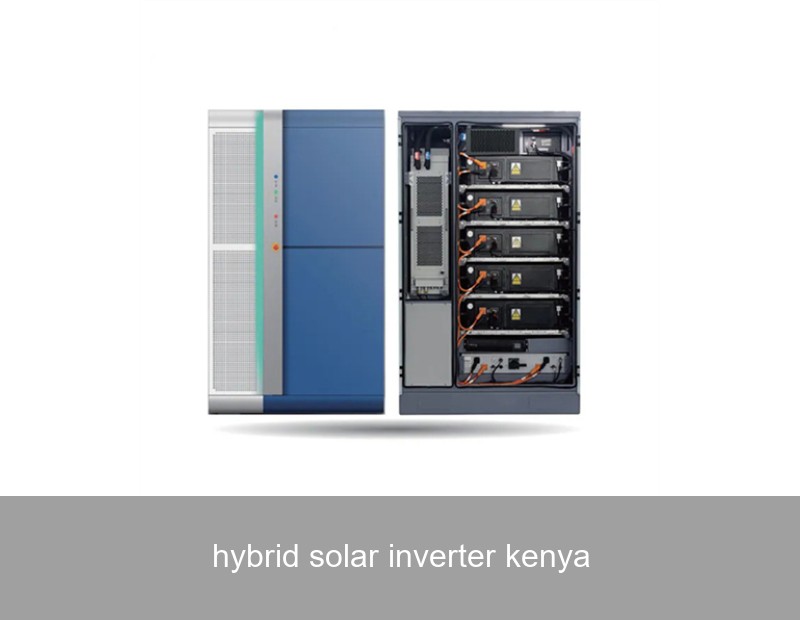
Kenya's energy landscape is undergoing a remarkable transformation. While grid power is expanding, its reliability and cost remain a challenge for many businesses and homeowners. Simultaneously, the country is blessed with abundant sunshine, making solar power a natural solution. But here's the puzzle many face: how do you harness the sun's power effectively, ensure electricity during grid outages, and avoid wasting excess energy? The answer lies in a single, intelligent device: the hybrid solar inverter in Kenya. This isn't just another piece of hardware; it's the central brain of a resilient, efficient, and cost-saving power system. For over 18 years, Highjoule has been at the forefront of this technology, engineering smart energy solutions that empower communities and industries worldwide to take control of their power.
Table of Contents
- The Kenyan Power Problem: More Than Just Blackouts
- What Exactly is a Hybrid Solar Inverter?
- Why Kenya is the Perfect Market for Hybrid Inverters
- Real-World Impact: A Case Study from Nairobi
- Choosing the Right Hybrid System: Key Considerations
- The Highjoule Advantage: Engineered for Reliability and Intelligence
The Kenyan Power Problem: More Than Just Blackouts
If you live or operate a business in Kenya, you're familiar with the scenario: lights flicker, machinery halts, and productivity drops to zero. The Kenya National Bureau of Statistics and the Energy and Petroleum Regulatory Authority (EPRA) have highlighted ongoing efforts to improve grid stability, yet challenges persist. For a growing business, a hospital, or a family working from home, this unpredictability isn't just an inconvenience—it's a direct hit to the bottom line, safety, and quality of life. Relying solely on a diesel generator is a noisy, expensive, and polluting alternative. This is the pressing phenomenon driving the search for a better way.
What Exactly is a Hybrid Solar Inverter?
Let's break it down simply. A traditional solar inverter converts solar panel DC power into AC power for your home. A battery inverter manages power flow from a battery bank. A hybrid solar inverter combines both these functions into one sleek unit and adds a layer of sophisticated energy management. Think of it as a highly efficient traffic controller for your electricity:
- Solar Power First: It prioritizes using free energy from your solar panels to run your appliances.
- Charge & Store: Any excess solar energy is intelligently directed to charge your battery storage system, instead of being sent back to the grid (which may have limited or no feed-in tariff in Kenya).
- Seamless Backup: When the grid fails or during peak tariff hours, it instantly and silently switches to battery power, keeping your essential loads running.
- Grid Interaction: It can also supplement with grid power when solar and battery are insufficient, all while optimizing for the lowest possible cost.

Image source: Unsplash (Representative image of an inverter system)
The Data Behind the Growth
The global shift towards hybrid systems is backed by hard numbers. According to the International Energy Agency (IEA), solar PV is set to become the largest source of installed power capacity globally. In markets like Kenya, where grid constraints meet superb solar resources (IEA Renewables 2023 Report), the economic case for self-consumption through hybrid systems is compelling. These systems can reduce reliance on expensive grid power and diesel by 70% to 100%, depending on usage and sizing.
Why Kenya is the Perfect Market for Hybrid Inverters
Kenya's unique energy profile makes it an ideal candidate for hybrid solar technology. Here’s why:
| Kenyan Factor | How a Hybrid Inverter Provides the Solution |
|---|---|
| High Solar Irradiation (5-6 kWh/m²/day) | Maximizes the use of abundant, free solar energy, providing a quick return on investment. |
| Frequent Grid Instability | Offers instant, uninterrupted power supply (UPS) functionality, keeping critical operations online. |
| Rising Grid Electricity Costs | Dramatically reduces monthly electricity bills by leveraging solar and stored energy, especially during peak tariff periods. |
| Limited/No Net Metering Nationwide | Stores excess solar energy for later use instead of exporting it for little or no compensation, eliminating waste. |
Real-World Impact: A Case Study from Nairobi
Let's move from theory to practice. Consider the case of "Greenleaf Horticulture," a medium-sized flower farm on the outskirts of Nairobi. Their cold storage units, irrigation pumps, and packing facilities were at the mercy of daily power fluctuations and costly nighttime grid power.
The Challenge: Unreliable power threatened product spoilage, and high energy costs were eroding profit margins. Diesel generators were a stopgap, not a solution.
The Solution: In 2023, they installed a 50kW hybrid solar system with a 120kWh battery storage unit, centered around a robust, grid-interactive hybrid inverter. The system was designed to power critical loads 24/7.
The Data-Driven Results (after 12 months):
- Energy Cost Reduction: Slashed their grid electricity bill by 85%.
- Diesel Displacement: Eliminated 95% of generator runtime, saving thousands in fuel and maintenance.
- Uptime Guarantee: Achieved 99.9% power availability for cold storage, reducing spoilage to near zero.
- ROI: Projected payback period of under 4 years, thanks to the intelligent energy arbitrage of the hybrid inverter.
This case exemplifies how the right technology transforms a vulnerability into a competitive advantage.
Choosing the Right Hybrid System: Key Considerations
Not all hybrid inverters are created equal. For a system in Kenya, you need a product built for the environment and your specific needs. Here’s a logical ladder to climb when making your decision:
- Power Rating & Scalability: Start by assessing your daytime and nighttime load. Can the inverter handle your peak demand? Can you add more inverters or batteries later?
- Battery Compatibility & Voltage: The inverter must seamlessly communicate with your chosen battery technology (e.g., Lithium-Iron-Phosphate).
- Grid & Generator Integration: Ensure it meets local grid codes (like KPLC requirements) and can integrate a generator as a backup charging source if needed.
- Software & Monitoring: This is crucial. Can you monitor and control your system from your phone? Can you set preferences (like "charge batteries only during off-peak hours")?
- Durability & Warranty: Look for robust build quality, high operating temperature ranges, and a solid warranty from a reputable company with local support.
The Highjoule Advantage: Engineered for Reliability and Intelligence
This is where Highjoule's nearly two decades of expertise comes into play. We understand that a hybrid solar inverter in Kenya isn't just a product you buy; it's the core of a long-term energy partnership. Our H-Series Hybrid Inverters are designed with the Kenyan and broader African context in mind.
Our systems feature:
- Adaptive Intelligence: Our proprietary energy management software learns your consumption patterns and automatically optimizes for cost-saving and reliability.
- Wide Voltage & Temperature Range: Built to perform reliably through grid voltage swings and in high ambient temperatures common in East Africa.
- Seamless Integration: We offer complete, pre-engineered solutions that include Highjoule's high-efficiency solar panels, our own or compatible third-party battery systems, and professional design support.
- Remote Monitoring & Control: The Highjoule Energy Portal gives you real-time insights and control over your power system from anywhere in the world.

Image source: Unsplash (Representative image of energy system management)
For commercial and industrial clients, we go a step further. Highjoule's microgrid solutions can integrate multiple power sources—solar, storage, grid, and generator—into a single, stable grid for an entire facility or community, managed by our advanced central controllers. This is the future of energy, available today.
Expert Insights on the Future
The integration of storage with solar is no longer a luxury; it's a necessity for true energy security. As battery costs continue to decline, as noted by research from sources like BloombergNEF, the value proposition of a hybrid system only strengthens. The goal is to create a self-sufficient energy ecosystem that is both resilient and economical.
So, as you contemplate taking control of your energy future in Kenya, ask yourself this: What would it mean for your home or business to have power that is not only clean and quiet but also intelligently managed to be as reliable and cost-effective as possible? The journey to that answer begins with the right hybrid inverter at its heart.
 Inquiry
 Online Chat