


The Hybrid Off-Grid Inverter: Your Gateway to True Energy Independence
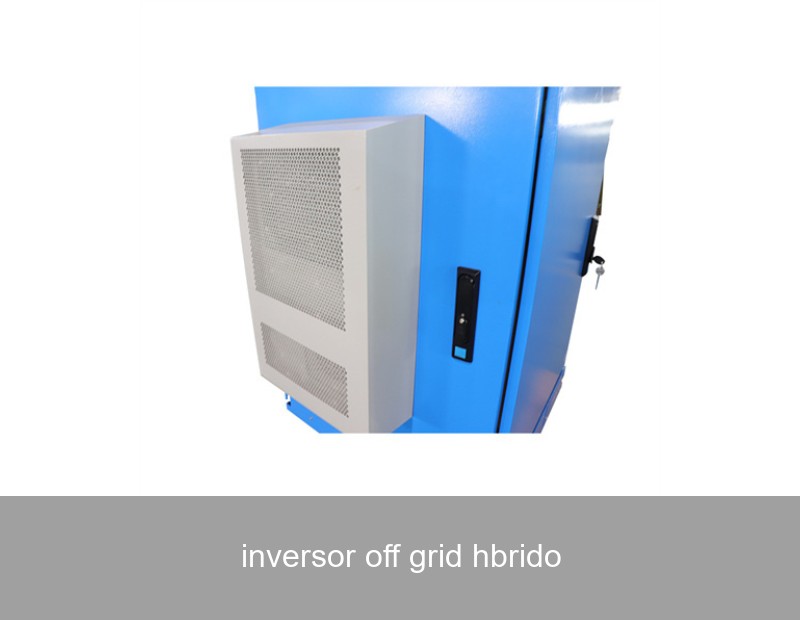
Imagine a device so intelligent that it can seamlessly orchestrate the energy flow in your home or business, choosing the cleanest, most efficient, and most cost-effective power source at any given moment. That's the magic of a modern hybrid off-grid inverter. For homeowners in sunny California, farmers in rural Spain, or small business owners everywhere, this technology is revolutionizing what it means to be energy self-sufficient. It's no longer just about having solar panels; it's about having a smart energy brain that manages solar, battery storage, and even the traditional grid to create a resilient, efficient, and sustainable power ecosystem. In this guide, we'll demystify the hybrid off-grid inverter, explore its game-changing benefits, and show you how it's paving the way for a new era of personal energy management.
The Power Problem: Why Grid Reliance Isn't Enough Anymore
Let's face it: our relationship with the electrical grid is becoming more complicated. On one hand, we're encouraged to adopt renewable energy. On the other, many regions face increasing grid instability, extreme weather events, and fluctuating energy costs. A standard grid-tied solar system shuts down during a blackout for safety reasons, leaving you with panels on the roof but no power in your home. This is the fundamental gap that the hybrid off-grid inverter was designed to bridge. It's the cornerstone of a system that doesn't just supplement grid power but can actively replace it when needed, all while optimizing for your wallet and the planet.

Image Source: Unsplash - A modern home equipped for energy independence.
How Hybrid Off-Grid Inverters Work: The Intelligent Energy Manager
Think of a hybrid off-grid inverter as the command center of your personal microgrid. It's a multi-talented device that performs three critical functions:
- Inversion: It converts direct current (DC) from your solar panels or batteries into the alternating current (AC) that powers your appliances.
- Charging: It intelligently charges your battery bank using excess solar energy or even cheap off-peak grid electricity.
- Management: This is its superpower. It constantly monitors energy sources and loads, making real-time decisions on where to draw or send power.
Here's a typical day in the life of a hybrid system:
| Time of Day | Energy Flow | Inverter Action |
|---|---|---|
| Sunny Afternoon | High solar production | Powers the home, charges batteries, exports excess to grid (if allowed). |
| Evening Peak | Solar stops, energy demand and costs are high | Switches to battery power, avoiding expensive grid electricity. |
| Night (Off-Peak) | Batteries low, grid rates low | Can draw a small amount from the grid to top up batteries for the next day. |
| Grid Blackout | Grid fails | Instantly isolates the home (islanding) and continues powering critical loads from solar + batteries. |
Key Features & Benefits for Your Home or Business
Why is this technology creating such a buzz? The benefits are tangible:
- Uninterrupted Power Supply (UPS): Say goodbye to blackout anxiety. The transition to backup power is seamless, often within milliseconds.
- Maximized Self-Consumption: Store your sunny-day solar energy for use at night, drastically reducing your reliance on purchased electricity. Some studies suggest this can increase the self-use of solar energy from ~30% to over 70% (NREL Report on Solar+Storage).
- Financial Savings & Arbitrage: Charge batteries when electricity is cheap, use them when it's expensive. This is a game-changer in regions with time-of-use (TOU) rates.
- Grid Support & Sustainability: By reducing peak demand on the grid, you're contributing to community-wide grid stability and lowering carbon emissions.
Real-World Case Study: A German Farm's Energy Independence
Let's look at a concrete example from Bavaria, Germany. The Schmidt family dairy farm was plagued by frequent brief grid outages that disrupted milking equipment and cooling systems, risking product spoilage and animal welfare. Their goal was 100% reliability and lower operational costs.
Solution: They installed a 25 kW solar array, a 40 kWh lithium-ion battery bank, and crucially, a robust hybrid off-grid inverter system. The inverter was programmed to prioritize solar for daytime operations, use battery power during the high-rate evening hours, and keep a reserve for outages.
The Results (Data after 12 months):
- Grid Independence: Achieved 94% energy autonomy, only importing power during prolonged winter gloom.
- Cost Reduction: Slashed their electricity bill by over 80%.
- Reliability: Survived 12 recorded grid outages with zero disruption to farm operations.
- ROI: Projected payback period of 6-7 years, thanks to German energy price trends and savings.
This case highlights how the right hybrid off-grid inverter isn't just an appliance; it's critical business infrastructure.

Image Source: Unsplash - Solar energy empowering agricultural operations.
Choosing the Right System: What to Look For
Not all hybrid inverters are created equal. When evaluating options, consider these critical factors:
- Power Rating & Scalability: Can it handle your peak loads? Can you easily add more batteries or solar later?
- Efficiency: Look for peak efficiency ratings above 97%. Every percentage point lost is energy and money wasted.
- Waveform Output: For running sensitive electronics, a pure sine wave output is non-negotiable.
- Software & Monitoring: A user-friendly app that provides real-time data and control is essential for managing your investment.
- Grid Code Compliance: In the EU and US, the inverter must have the proper certifications (like VDE-AR-N 4105 in Germany or UL 1741 SA in the US) to connect to the grid legally and safely.
Engineered for Resilience: Highjoule's Hybrid Energy Solutions
At Highjoule, we've been at the forefront of advanced energy storage since 2005. We understand that a hybrid off-grid inverter is the heart of the system, which is why our HPS (Highjoule PowerStack) Series is engineered for intelligence, durability, and seamless integration.
Our hybrid inverters are more than just converters; they are integrated energy management platforms. They feature:
- Adaptive AI Logic: Our systems learn your consumption patterns and weather forecasts to optimize battery charging and discharging cycles, maximizing savings and battery life.
- Modular Design: Start with what you need and expand your storage capacity effortlessly as your needs grow, protecting your initial investment.
- Robust Grid-Forming Capability: In an off-grid scenario, they provide rock-solid voltage and frequency stability, capable of starting demanding loads like water pumps or air conditioners.
- Global Compliance: Our products are designed and certified for the stringent requirements of both the European and North American markets, ensuring safe, compliant, and reliable operation.
For commercial and industrial applications, our team designs custom microgrid solutions built around these robust inverter platforms, ensuring critical operations never miss a beat. We provide everything from initial consultation and system design to installation support and long-term monitoring, making the journey to energy independence a smooth and successful one.
What Does Your Energy Future Look Like?
The transition to resilient, self-sufficient power is no longer a distant dream for the off-grid cabin. It's a practical, financially sound reality for mainstream homes and businesses. With a hybrid off-grid inverter as the cornerstone, you gain control, security, and a tangible stake in a cleaner energy future. The question isn't just about saving on your next utility bill—it's about what you want to power through, no matter what happens down the line. Are you ready to audit your energy needs and explore what true power independence could mean for you?
 Inquiry
 Online Chat