


Unlocking Energy Independence: A Complete Guide to Smart Home Solar Systems (Sistemas Solares Domésticos)
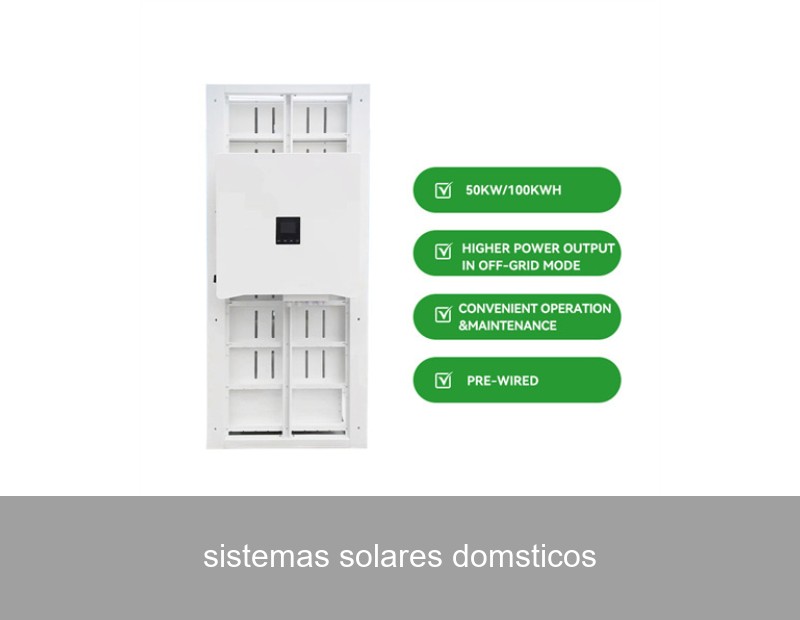
Imagine a home that not only shelters your family but also powers it—quietly, cleanly, and with a remarkable degree of self-sufficiency. This is no longer a futuristic dream but a present-day reality for millions, thanks to the rapid evolution of sistemas solares domésticos (home solar systems). For homeowners in Europe and the U.S., the conversation has shifted from "if" to "how" and "how smart." It's a movement driven by a desire for energy security, environmental responsibility, and, let's be honest, significant long-term savings on those ever-fluctuating utility bills. But modern solar is about so much more than just panels on the roof. It's about creating an intelligent, resilient energy ecosystem for your home.
What Are Home Solar Systems (Sistemas Solares Domésticos)?
At its core, a home solar system captures sunlight and converts it into usable electricity for your household. The basic components are well-known: photovoltaic (PV) panels and an inverter. However, the truly transformative modern system adds a third, critical pillar: an intelligent battery storage system. This trio works in concert:
- Solar Panels: Capture photons from sunlight and generate direct current (DC) electricity.
- Inverter: The brain of the power side, converting DC electricity into the alternating current (AC) that powers your home.
- Battery Storage System: The game-changer. It stores excess solar energy produced during the day for use at night, during peak tariff hours, or during grid outages.
Think of it this way: panels are your income (sunlight), the battery is your savings account (stored energy), and your home is the expense. A smart system ensures you spend your savings wisely and never go into costly debt with the utility company.
The Power Shift Phenomenon: From Consumer to Prosumer
Homeowners are no longer passive consumers. They've become "prosumers"—both producing and consuming energy. This shift is backed by compelling data. In 2023, the U.S. residential solar market installed a record-breaking 6.5 GWdc of capacity, while in Europe, the energy crisis accelerated adoption, with EU rooftop solar PV growing by a staggering 35% in 2022. The driver? Economics and resilience. With electricity prices experiencing volatility, the payback period for a solar-plus-storage system has shortened dramatically in many regions.
But here's the common pitfall: a solar-only system. Without storage, excess solar energy often gets exported to the grid for a minimal feed-in tariff, while you buy back expensive power in the evening. You're missing the full financial and practical benefit.
Beyond Panels: Why Battery Storage is the Game-Changer
Integrating a battery with your sistema solar doméstico is what unlocks true energy independence. Let's break down its superpowers:
- Maximized Self-Consumption: Use your own solar power 24/7, slashing your reliance on the grid sometimes by up to 80% or more.
- Backup Power: Weather events and grid instability are real concerns. A battery provides seamless backup power to keep your lights on, fridge running, and essential devices charged.
- Peak Shaving: In areas with time-of-use rates, you can avoid drawing power during expensive peak hours by using your stored energy.
The technology inside these batteries is crucial. Not all storage is created equal. Key considerations include battery chemistry (like lithium iron phosphate, or LFP, for safety and longevity), depth of discharge, round-trip efficiency, and the intelligence of the system's energy management software.

Image Source: Unsplash - A modern, energy-independent home.
Real-World Case Study: The Müller Family, Hamburg, Germany
Let's look at a concrete example. The Müller family lives in a detached home in Hamburg. In 2021, they installed a 9.8 kWp solar array. While their daytime electricity was green and cheap, they still bought 65% of their power from the grid at night. In early 2023, they decided to upgrade their system with a Highjoule HomePower 10 battery storage unit (13.5 kWh usable capacity).
The Results (12-month analysis):
| Metric | Solar-Only (2022) | Solar + Highjoule Battery (2023-24) | Change |
|---|---|---|---|
| Grid Electricity Purchased | 4,200 kWh | 950 kWh | -77% |
| Self-Consumption Rate | 35% | 92% | +163% |
| Monthly Electricity Bill (Avg.) | €85 | €18 | €67 saved |
"The Highjoule system wasn't just about savings," says Mr. Müller. "During the winter storms that caused local blackouts last December, our home stayed warm and lit. That peace of mind is priceless." This case highlights how the right storage solution transforms a good solar investment into a great one.
Choosing the Right System for Your Home
Selecting your ideal sistema solar doméstico involves a few key steps:
- Energy Audit: Understand your consumption patterns. Review your utility bills to find your average kWh usage.
- Roof Assessment: Orientation (south-facing in the Northern Hemisphere is ideal), shading, and structural integrity are key.
- Define Goals: Is your primary driver bill savings, backup power, or maximizing green energy? This dictates battery size.
- Product Quality & Integration: Choose components designed to work together seamlessly. A modular, scalable system allows for future expansion, like adding an EV charger.
Smart Energy Independence with Highjoule
This is where Highjoule's nearly two decades of expertise in advanced energy storage comes into play. We don't just sell components; we provide integrated, intelligent power solutions. For homeowners, our Highjoule HomePower Series is the cornerstone of a truly smart sistema solar doméstico.
Our systems are built with the safe, long-life LFP battery chemistry and feature our proprietary Adaptive Energy OS. This intelligent software doesn't just store and release energy; it learns your household patterns, weather forecasts, and utility rate schedules to autonomously optimize your energy flow. It decides when to charge from solar, when to discharge to power your home, and when to hold reserves for backup—maximizing your savings and comfort without you lifting a finger.
Furthermore, our systems are designed for the future. Whether you're planning to add an electric vehicle, a heat pump, or expand your solar array, the modular Highjoule platform scales with your needs. We offer comprehensive support, from initial design consultation through to installation by our certified network of partners and long-term system monitoring.

Image Source: Unsplash - A sleek, modern home battery installation.
The Future of Home Energy: What's Next?
The journey of the sistema solar doméstico is just beginning. We're moving towards homes that act as intelligent nodes in a flexible energy grid. Imagine your battery system, aggregated with others in your neighborhood, providing stability to the local grid during high demand—a concept known as virtual power plants (VPPs). Your home could even automatically charge your EV when solar production is highest or sell tiny amounts of stored energy back to the grid during price spikes, creating a new revenue stream.
The technology is here. The economics are increasingly favorable. The question is no longer about whether home solar and storage work, but about how intelligent your system can be.
Is your home ready to become a true center of clean, resilient, and intelligent power? What would energy independence mean for your family's budget and peace of mind?
 Inquiry
 Online Chat