


Leading Solar Companies in Poland: Powering a Sustainable Transformation
Poland's energy landscape is undergoing a remarkable shift. Long reliant on coal, the country is now embracing the sun, with solar PV capacity skyrocketing from a modest base to over 17 GW in just a few years. This boom isn't just about installing panels; it's about building a smarter, more resilient energy system. For businesses and communities, this means moving beyond simple generation to intelligent energy management. This is where the true leading solar companies in Poland distinguish themselves—by integrating advanced energy storage to maximize every kilowatt-hour produced. Let's explore how this synergy is defining Poland's clean energy future.
The Phenomenon: Poland's Solar Surge
Poland's solar revolution is a textbook example of effective policy meeting market ambition. Support mechanisms like the "My Electricity" (Mój Prąd) prosumer grant and the dynamic growth of commercial PV projects have fueled this expansion. However, rapid growth presents new challenges. The grid, built for centralized coal power, is experiencing strain from intermittent solar generation. This creates a paradox: you generate clean energy, but you can't always use it or feed it efficiently into the grid. The most forward-thinking leading solar companies in Poland are now addressing this by making battery energy storage systems (BESS) a core component of their offerings.

Image Source: Unsplash - Representative image of commercial solar installation.
The Data: Why Storage is the Next Logical Step
Consider the daily solar production curve: peak generation occurs around midday, but energy demand for many businesses peaks in the morning and evening. Without storage, a significant portion of solar energy is exported to the grid at low tariffs, only for the business to import expensive power later. According to the International Renewable Energy Agency (IRENA), coupling solar with storage can increase self-consumption of solar energy from 30-40% to 70% or more. For a Polish factory with a 500 kWp solar array, this isn't just an efficiency gain—it's a direct and substantial reduction in operational cost and a major step towards energy independence.
The Logical Progression of a Solar Project
- Step 1 (Basic): Install solar PV to reduce grid imports during sunny hours.
- Step 2 (Advanced): Add a battery to store excess daytime energy for use at night.
- Step 3 (Intelligent): Integrate an AI-driven energy management system (EMS) to optimize charging/discharging based on weather, tariffs, and consumption patterns.
- Step 4 (Resilient): Form a microgrid capable of operating independently from the grid during outages.
The Case Study: A Polish Food Processing Plant
Let's look at a real-world application. A mid-sized dairy processing plant in Greater Poland Voivodeship partnered with one of the leading solar companies in Poland to tackle its high, round-the-clock energy demand and refrigeration needs. The company had a 1 MWp solar installation but was still exposed to high grid costs during early morning and evening operations.
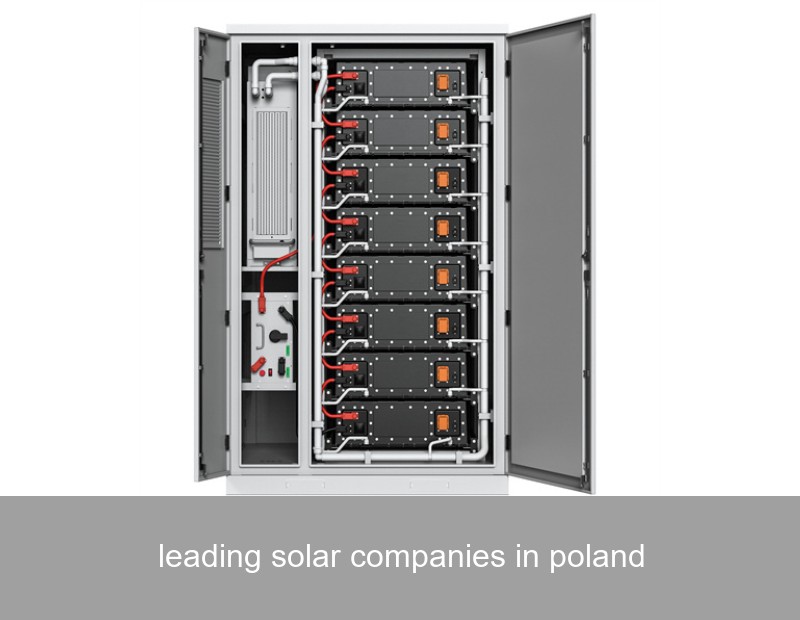
The Solution: The integrator recommended and deployed a turnkey storage solution featuring a Highjoule HVC Series Containerized BESS. The system included:
- A 500 kWh / 250 kW battery storage unit.
- Highjoule's proprietary HarmonyOS™ energy management platform for predictive control.
- Seamless integration with the existing PV inverters.
| Metric | Before Storage | After Storage Deployment |
|---|---|---|
| Solar Self-Consumption | ~35% | ~85% |
| Grid Energy Cost Reduction | 41% (from solar alone) | 68% (combined solar + storage) |
| Backup Power for Critical Cooling | None | Up to 4 hours |
| ROI Period | N/A | Estimated 5.2 years |
The system's intelligence allows it to predict production from the plant's own solar and even from regional weather forecasts available via the European Centre for Medium-Range Weather Forecasts (ECMWF), optimizing cycles for both cost savings and battery longevity.
The Future: Intelligent Systems and Microgrids
The next frontier for the Polish market is the creation of local energy communities and industrial microgrids. This vision transforms individual solar+storage systems into networked, collaborative power resources. Imagine a business park where several companies, each with their own solar and storage, can securely trade excess energy with each other, enhancing stability and lowering costs for the entire community. This requires not just hardware, but sophisticated, secure software platforms for energy management and settlement.

Image Source: Unsplash - Concept of an energy microgrid.
Highjoule's Partnership with Leading Solar Companies in Poland
As a global technology provider, Highjoule does not install panels directly. Instead, we empower the leading solar companies in Poland by providing them with the advanced storage technology and grid-services expertise they need to deliver complete, future-proof solutions to their clients. Our role is to be the backbone of their storage offerings.
What Highjoule Provides to Polish Integrators:
- Scalable BESS Products: From compact residential units like the Highjoule HomePower to massive, grid-scale containerized solutions like the HVC Series.
- HarmonyOS™ Platform: An AI-driven software suite that turns a battery into an intelligent asset for savings, backup, and even potential revenue through grid services.
- Technical Expertise & Training: Deep support in system design, commissioning, and navigating local grid connection codes, ensuring our partners' projects are successful and compliant.
- Proven Reliability: With systems deployed in over 30 countries across demanding commercial and industrial environments, we bring global experience to the Polish market.
This partnership model means that when a Polish business engages a top-tier solar EPC (Engineering, Procurement, and Construction) company, they can benefit from Highjoule's internationally proven storage technology seamlessly integrated into their local project.
Your Next Step
Poland's energy transition is moving at a breathtaking pace. The question is no longer just "should we go solar?" but "how do we build the most intelligent, resilient, and economical energy system for our specific needs?" The combination of high-quality solar PV and sophisticated storage is the definitive answer.
If you are evaluating proposals from leading solar companies in Poland, what specific questions are you asking them about energy storage integration, intelligent management, and long-term system scalability to protect your investment?
 Inquiry
 Online Chat