


Understanding the 48V Lithium Battery Price in Sweden: A Smart Investment for Energy Independence
If you're exploring energy storage solutions in Sweden, you've likely encountered the term "48V lithium battery" and wondered about the cost. The lithium battery price in Sweden for 48V systems isn't just a number on a tag; it's a gateway to energy security, sustainability, and long-term savings. As Sweden pushes towards its ambitious fossil-free future, with targets like 100% renewable electricity production by 2040, the demand for reliable, efficient storage is skyrocketing. This article will demystify the factors influencing 48V lithium battery prices in the Swedish market, showcase real-world applications, and explain why this technology is a cornerstone for modern energy solutions.
Table of Contents
Key Factors Influencing 48V Lithium Battery Prices in Sweden
When you see a price for a 48V lithium battery system, you're looking at the culmination of several critical components. Understanding these helps you make an informed decision rather than just seeking the cheapest upfront cost.
- Battery Chemistry (LFP vs. NMC): The most significant factor. Lithium Iron Phosphate (LFP) batteries, known for exceptional safety, long cycle life (often 6000+ cycles), and stability, are dominant in stationary storage. Nickel Manganese Cobalt (NMC) may offer higher energy density but often at the expense of longevity and thermal safety. In Sweden, where system longevity and safety in varied climates are paramount, LFP is typically the recommended choice, impacting the price based on its quality and raw material costs.
- Capacity and Energy (kWh): This is the "fuel tank" size. A 10 kWh system will naturally cost less than a 20 kWh system. Prices in Sweden are often quoted per kWh, with a current range typically between SEK 5,000 to SEK 9,000 per kWh for a quality integrated system, depending on scale and features.
- Brand, Quality, and Certification: Reputable brands invest in rigorous testing, high-quality battery management systems (BMS), and necessary certifications for the European and Nordic markets (e.g., CE, UN38.3). This ensures safety, performance, and warranty validity, which is reflected in the price.
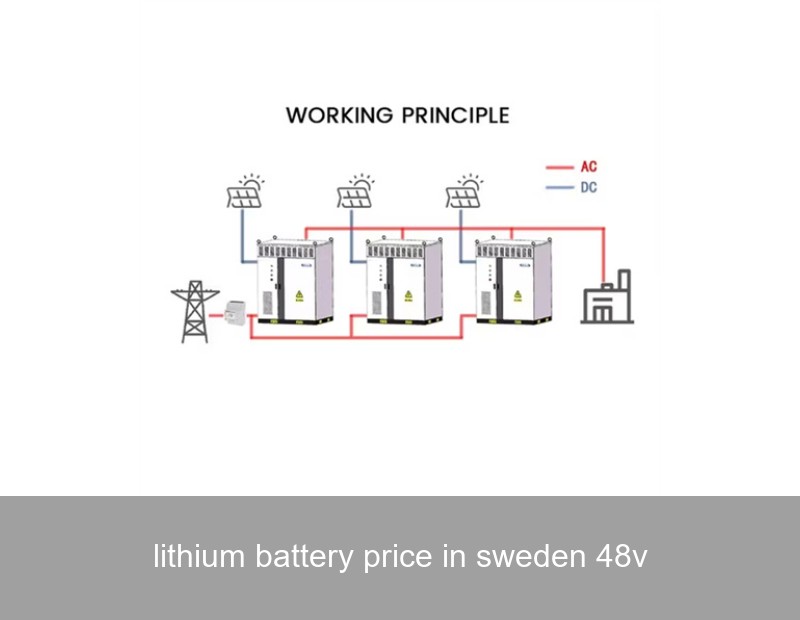
- System Integration: Are you buying just battery cells, modules, or a complete plug-and-play solution? A fully integrated 48V energy storage system from a provider like Highjoule includes the battery, advanced BMS, thermal management, and often an inverter/charger, simplifying installation and ensuring optimal performance.
- Installation and Ancillary Costs: The final price includes professional installation by certified electricians, potential electrical upgrades, mounting hardware, and monitoring software. In Sweden, skilled labor and compliance with strict electrical norms (Svensk Standard) are part of a reliable, safe installation.
Beyond the Sticker Price: Total Cost of Ownership Analysis
The initial purchase price is only part of the story. The true value of a 48V lithium battery system is revealed through its Total Cost of Ownership (TCO).
| Cost Component | Traditional Lead-Acid | Quality 48V Lithium (LFP) | Long-Term Implication |
|---|---|---|---|
| Upfront Purchase Price | Lower | Higher | Lithium has a higher initial investment. |
| Lifespan (Cycles) | 300-500 cycles (may last 3-5 years) | 6000+ cycles (can last 15+ years) | Lithium eliminates frequent replacement costs. |
| Depth of Discharge (DoD) | ~50% recommended | 90%+ usable | You effectively use almost all the energy you pay for with lithium. |
| Efficiency & Self-Discharge | Lower efficiency, higher self-discharge | High efficiency (>95%), low self-discharge | More solar energy is stored and available for use, reducing waste. |
| Maintenance | Regular watering, equalization | Virtually maintenance-free | Lithium saves time and ongoing service costs. |
When you calculate TCO over a 15-year period, a high-quality 48V lithium system often proves more economical than replacing lead-acid batteries multiple times, while delivering superior performance and reliability.
Real-World Impact: A Swedish Case Study
Let's move from theory to practice. Consider a medium-sized holiday home (fritidshus) in the Stockholm archipelago, off the main grid.
The Challenge: The property relied on an aging, noisy diesel generator for power, with high fuel costs (especially during peak season), environmental impact, and maintenance headaches. The owner wanted a silent, clean, and autonomous power solution.
The Solution: A 12 kW solar array was installed on the roof, paired with a 48V 20 kWh lithium iron phosphate (LFP) battery storage system and a hybrid inverter. This system was designed to capture the abundant summer sun, store it, and provide power around the clock, significantly reducing generator use.
- Diesel Savings: Generator runtime reduced by over 85%, slashing annual fuel costs by approximately SEK 14,000.
- Energy Autonomy: The system provides 95% of the property's annual electricity needs from May to September.
- Payback: Considering the avoided fuel costs, generator maintenance, and Swedish energy tax incentives, the calculated payback period for the solar-plus-storage system is under 8 years. The battery's 15-year warranty ensures over a decade of additional savings.

Image Source: Unsplash (Representative image of a Swedish holiday home with solar)
This case illustrates how the lithium battery price in Sweden for a 48V system is an investment that pays tangible dividends in independence, sustainability, and financial savings.
Swedish Market Trends and the Road Ahead
The Swedish energy storage market is dynamic. According to the Swedish Energy Agency (Energimyndigheten), interest in battery storage is growing rapidly alongside solar PV adoption. Government policies and subsidies, like the tax deduction for green technology (grön teknik), directly influence the net cost for homeowners and businesses. Furthermore, as global lithium production scales and technology improves, the price per kWh for lithium batteries continues a long-term downward trend, making them even more accessible. However, choosing a system based solely on the lowest current price can be risky; future-proofing with scalable, durable technology is key.
Choosing the Right 48V System for Your Needs
So, how do you navigate this landscape? Ask these key questions:
- What is my primary goal? (Maximizing solar self-consumption, backup power during outages, reducing grid demand charges for a business?)
- What is my daily energy consumption (kWh)? This determines the necessary battery capacity.
- Is the system scalable? Can you easily add more battery modules later if your needs grow?
- What does the warranty truly cover? Look for a clear warranty on throughput (MWh delivered) or cycle life, not just years.
- Is the BMS intelligent? A smart BMS is the brain, ensuring cell balance, safety, and communication with inverters and monitoring platforms.
How Highjoule Powers Sweden's Energy Transition
At Highjoule, we've been at the forefront of advanced energy storage since 2005. We understand that the 48V lithium battery price in Sweden is a decision that impacts your energy resilience for decades. That's why our solutions are engineered for the Nordic climate and built to last.
Our H-Joule 48V LFP Series is a prime example. It's a fully integrated, modular battery system designed for residential and small commercial applications. Key features include:
- Ultra-Safe LFP Chemistry: Non-toxic, thermally stable, and built with intrinsic safety.
- Modular Design: Start with a base capacity and expand seamlessly from 5kWh to 30kWh+ as your needs evolve.
- Advanced Liquid Cooling & Heating: A proprietary thermal management system ensures optimal performance and lifespan, from the cold Swedish winters to occasional summer heat.
- Smart Grid Ready: Our systems can integrate with intelligent energy management platforms, allowing future participation in flexibility services as the Swedish grid evolves.
- Comprehensive Warranty: Backed by a strong 10-year performance warranty, guaranteeing peace of mind.
We don't just sell batteries; we provide complete, intelligent power solutions—from initial consultation and system design to professional installation and ongoing monitoring—ensuring you extract maximum value from your investment.
Image Source: Unsplash (Representative image of a clean energy storage installation)
Your Next Step Towards Energy Independence
The conversation about lithium battery price in Sweden for 48V systems is ultimately about value, not just cost. With Sweden's clear direction towards a renewable future, investing in robust, smart storage is a logical and powerful step. What specific energy challenge in your home or business could a reliable, high-performance 48V battery system solve, and how would you measure its success—in crowns saved, carbon reduced, or peace of mind gained?
 Inquiry
 Online Chat