


The Power Within: Unpacking the Modern Lithium Ion Cell Battery
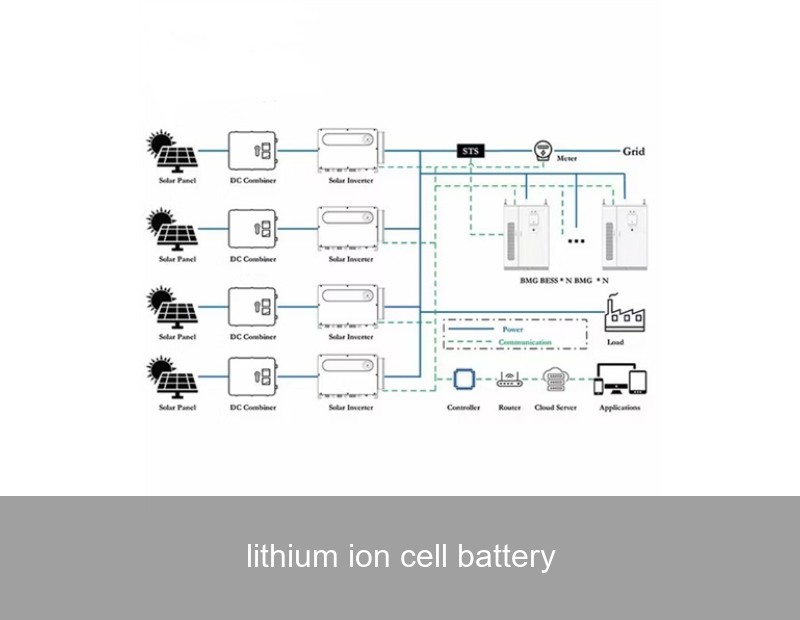
From the smartphone in your pocket to the electric vehicle gliding silently down the street, a quiet revolution powers our modern lives. At the heart of this transformation lies a technological marvel: the lithium ion cell battery. But what makes this energy source so dominant, and how is it evolving to meet the colossal demands of a renewable-powered future? As we transition away from fossil fuels, understanding this key technology becomes crucial for businesses, homeowners, and communities alike.
Table of Contents
- How Does a Lithium Ion Cell Battery Work? The Simple Science
- Why Lithium-Ion Reigns Supreme: Key Advantages
- Beyond Consumer Electronics: Powering Homes, Businesses, and Grids
- Future Horizons: Innovation and Sustainability
- Choosing the Right System: What to Consider
How Does a Lithium Ion Cell Battery Work? The Simple Science
Think of a lithium ion cell battery as a sophisticated shuttle system for tiny particles. Each cell consists of three main components: a positive electrode (cathode), a negative electrode (anode), and an electrolyte separating them. During discharge (when you're using the stored power), lithium ions "shuttle" from the anode, through the electrolyte, to the cathode. This movement releases electrons, which flow through an external circuit, creating the electric current that powers your device or home. Charging simply reverses this journey, with ions moving back to the anode, ready for the next cycle.

Image Source: U.S. Department of Energy - Animated illustration of lithium-ion movement.
Why Lithium-Ion Reigns Supreme: Key Advantages
The widespread adoption of lithium-ion technology isn't accidental. It offers a compelling suite of benefits that older battery chemistries struggle to match:
- High Energy Density: They store a significant amount of energy in a relatively small, lightweight package. This is critical for EVs and portable electronics.
- Long Cycle Life: Modern lithium-ion batteries can undergo thousands of charge-discharge cycles while retaining a high percentage of their original capacity.
- Low Self-Discharge: They lose their charge much slower when idle compared to other battery types.
- High Efficiency: They offer excellent round-trip efficiency (often over 95%), meaning very little energy is lost as heat during charging and discharging.
However, it's not just about the cell itself. The true performance, safety, and longevity of a lithium ion cell battery system depend heavily on the Battery Management System (BMS) and system integration. This is where expertise from companies like Highjoule becomes paramount. Since 2005, Highjoule has engineered advanced BMS technology that meticulously monitors each cell for voltage, temperature, and state of charge, ensuring optimal performance, safety, and a dramatically extended lifespan for our commercial, industrial, and residential energy storage solutions.
From Lab to Grid: A Real-World Case Study in Germany
Let's move from theory to practice. Consider the challenge faced by a mid-sized manufacturing plant in Bavaria, Germany. Their goals were clear: reduce energy costs tied to volatile grid prices, increase energy independence, and lower their carbon footprint. The facility had a sizable rooftop solar array, but a significant portion of its solar generation was being exported to the grid at low feed-in tariffs because it didn't match their afternoon and evening peak consumption.
The Solution & Data: The plant integrated a Highjoule H-IQ Commercial battery storage system with a capacity of 500 kWh. This system was specifically designed to capture excess solar generation for later use. The results, monitored over 12 months, were striking:
| Metric | Result |
|---|---|
| Increase in Solar Self-Consumption | From 35% to over 80% |
| Reduction in Grid Peak Demand Charges | Approx. 40% |
| Overall Energy Cost Savings | €62,000 annually |
| CO2 Emissions Avoided | Estimated 185 tonnes per year |
This case, typical in markets like Germany and California with time-of-use rates, demonstrates how intelligent lithium ion cell battery systems turn renewable energy from an intermittent source into a reliable, cost-saving asset. The Highjoule system's AI-driven energy management software automatically optimized charging and discharging schedules based on real-time electricity prices and consumption patterns.
Beyond Consumer Electronics: Powering Homes, Businesses, and Grids
The application of lithium-ion technology has scaled far beyond gadgets. Today, it's the cornerstone of the global energy transition.
- Residential Energy Storage: Home battery systems, like Highjoule's H-IQ Home, allow homeowners to store solar energy for use at night, provide backup power during outages, and participate in virtual power plants.
- Commercial & Industrial (C&I): For businesses, batteries mitigate demand charges, provide uninterruptible power for critical operations, and enable participation in grid services like frequency regulation.
- Utility-Scale & Microgrids: Large-scale battery energy storage systems (BESS) stabilize the grid, store excess renewable energy from wind and solar farms, and defer costly grid infrastructure upgrades. Highjoule's H-IQ Grid solutions are engineered for these demanding applications, offering scalable, containerized systems for utility and community microgrid projects.

Image Source: National Renewable Energy Laboratory (NREL) - Utility-scale battery storage installation.
Future Horizons: Innovation and Sustainability
The evolution of the lithium ion cell battery is accelerating. Researchers are focused on solid-state batteries, which replace the liquid electrolyte with a solid, promising even higher energy density and improved safety. There's also a strong push towards new cathode chemistries that reduce or eliminate the need for cobalt, a material with supply chain and ethical concerns. You can read about ongoing research into next-generation batteries from authoritative sources like the U.S. Department of Energy.
Simultaneously, the industry is tackling end-of-life challenges head-on. A robust circular economy for batteries is developing, focusing on repurposing (giving batteries a "second life" in less demanding applications) and recycling to recover valuable materials like lithium, cobalt, and nickel. Highjoule designs its systems with sustainability in mind, facilitating future recycling and supporting the principles of a circular economy. For a deep dive into lifecycle analysis, the International Energy Agency (IEA) provides comprehensive reports.
Choosing the Right System: What to Consider
Selecting a lithium ion cell battery system is more than just comparing price per kWh. Key considerations include:
- Application: Is it primarily for backup power, bill savings, or solar self-consumption?
- Depth of Discharge (DoD) & Cycle Life: A battery rated for 6000 cycles at 90% DoD will outlast one rated for 4000 cycles at 80% DoD.
- Power Rating (kW) vs. Energy Capacity (kWh): Power determines how many appliances you can run at once; capacity determines how long you can run them.
- Integration & Intelligence: Does the system come with smart software for energy management and monitoring? Can it integrate seamlessly with existing solar inverters?
- Safety & Warranty: Look for certifications (UL, IEC) and a comprehensive warranty that covers both performance and defects.
This is where partnering with an experienced provider makes all the difference. Highjoule doesn't just supply hardware; we provide end-to-end intelligent energy solutions. Our team works with you to analyze your energy profile, design a system tailored to your specific financial and operational goals, and provide ongoing support to ensure you maximize your investment for decades.
As you look at your own energy bills, sustainability goals, or community's resilience needs, what is the first question you would ask to determine if a lithium ion cell battery system is the right next step for you?
 Inquiry
 Online Chat