


Lithium Solar Storage Batteries: The Powerhouse Behind Modern Energy Independence
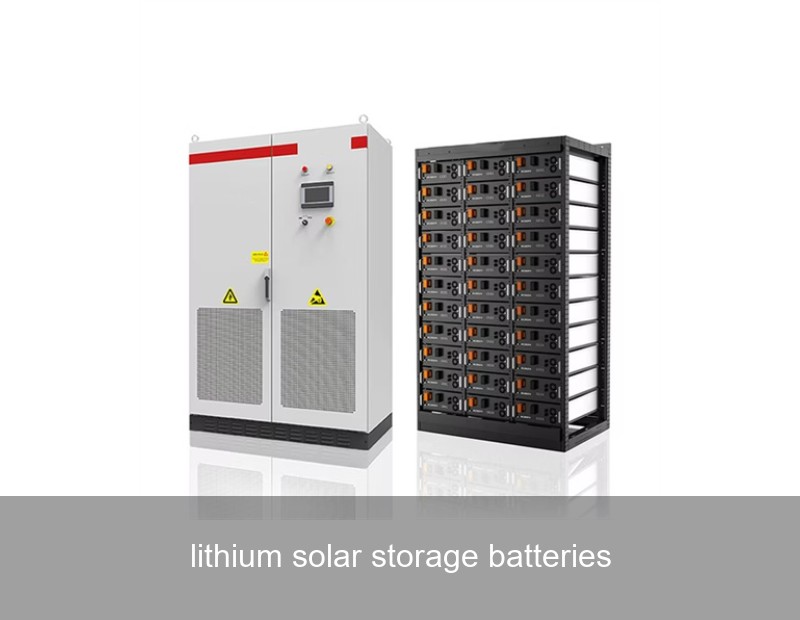
You've likely seen the headlines: energy prices are volatile, and the push for clean power is stronger than ever. But for homeowners and businesses with solar panels, there's a quiet revolution happening in the basement or utility closet. The key? Lithium solar storage batteries. These aren't just backup power sources; they are intelligent energy managers, turning your solar array into a resilient, round-the-clock power plant. Let's explore how this technology is reshaping our relationship with energy.
Table of Contents
The Phenomenon: Solar Power's Missing Piece
For years, solar panels presented a delightful dilemma. They generate abundant, clean electricity—but only when the sun shines. This created a mismatch: peak production often occurred midday when homes were empty, while energy demand soared in the evenings. Excess power was fed back to the grid, often for minimal compensation, leaving owners reliant on the grid after dark or during outages. The phenomenon was clear: solar alone couldn't guarantee true energy independence.
Enter lithium solar storage batteries. By storing surplus solar energy for later use, they solve this temporal mismatch. Think of them as a "energy savings account." You deposit your solar excess during the day and make a withdrawal whenever you need it. This simple shift transforms a solar installation from a partial solution into a comprehensive energy strategy.

Image Source: Unsplash - A modern home energy storage system integrating solar and battery storage.
The Data: Why Lithium-Ion Dominates the Storage Scene
Not all batteries are created equal. While lead-acid was an early option, lithium-ion technology has become the undisputed leader for solar storage, and the numbers tell a compelling story:
| Metric | Lithium-Ion (LFP) | Traditional Lead-Acid |
|---|---|---|
| Depth of Discharge (DoD) | 90-100% | ~50% |
| Cycle Life (to 80% capacity) | 6,000+ cycles | 1,200-1,800 cycles |
| Round-Trip Efficiency | 95-98% | 70-85% |
| Energy Density | High (Compact) | Low (Bulky) |
This data, supported by research from authorities like the National Renewable Energy Laboratory (NREL), highlights lithium's superiority. Its high depth of discharge means you can use almost all the stored energy. Its long cycle life translates to a decade or more of daily use. And its stellar efficiency ensures you lose very little power in the storage process. For modern homeowners, this means maximum value from every solar kilowatt-hour generated.
A Real-World Case Study: Resilience in California's High Fire-Threat District
Data is powerful, but real-world application is convincing. Consider the situation in many parts of California and other regions prone to Public Safety Power Shutoffs (PSPS). In 2022, a commercial vineyard in Sonoma County, facing frequent multi-day grid outages, partnered with Highjoule to deploy a tailored solar-plus-storage microgrid solution.
The system featured a 250 kW solar canopy and a 500 kWh Highjoule H Cube commercial lithium battery storage system. During a PSPS event in October 2023, the results were clear:
- Critical Load Coverage: The system powered the entire refrigeration facility, security systems, and administrative offices for 52 hours without grid support.
- Financial Impact: By avoiding spoilage of harvested grapes and maintaining operations, the vineyard estimated a loss prevention of over $120,000 during that single event.
- Energy Arbitrage: Even during normal operations, the system's intelligent software shifts energy use, reducing peak demand charges by an average of 30% monthly.
This case isn't just about backup; it's about business continuity and financial resilience, enabled by robust lithium solar storage batteries.
Expert Insights: Beyond Basic Backup - The Intelligent Grid
The conversation is evolving from simple storage to intelligent energy management. Modern systems like those from Highjoule integrate advanced Battery Management Systems (BMS) and AI-driven software. This allows for:
- Peak Shaving: Automatically using stored battery power during periods of high grid demand (and high electricity prices).
- Time-of-Use Optimization: Charging the battery with solar or cheap off-peak grid power and discharging it during expensive peak hours.
- Grid Services: In some markets, aggregated batteries can provide stability services to the local utility grid, creating a potential revenue stream for the owner.
As the International Energy Agency (IEA) notes, energy storage is a critical enabler of decarbonized, flexible power systems. Your home or business battery becomes a node in a smarter, more resilient energy network.

Image Source: Unsplash - A containerized BESS unit for commercial/industrial scale storage.
How Highjoule's Smart Ecosystem Elevates Solar Storage
At Highjoule, we've been at the forefront of this evolution since 2005. We understand that a battery is more than just cells in a box; it's the core of a connected energy ecosystem. Our solutions are designed to maximize the potential of your lithium solar storage batteries.
For residential clients, our H-Power Home series features Lithium Iron Phosphate (LFP) chemistry, renowned for its exceptional safety and longevity. It seamlessly integrates with new or existing solar installations and is managed via an intuitive app that puts energy control at your fingertips.
For commercial and industrial applications, our scalable H Cube modular systems can be configured from hundreds of kWh to multiple MWh. Paired with our proprietary EnergyOS platform, these systems don't just store energy—they optimize it for financial return, sustainability goals, and operational resilience. Whether it's a manufacturing plant in Germany seeking to cap energy costs or a hospital in Texas requiring flawless backup, our technology delivers a future-proof energy foundation.
The Future Horizon: What's Next for Storage?
The trajectory is exciting. We're looking at continued cost declines, even higher energy densities, and innovations in battery chemistry. Furthermore, the integration of electric vehicles as bidirectional storage assets (vehicle-to-home or V2H) is on the near-term horizon. This will further blur the lines between consumption, storage, and transportation, creating a fully integrated personal energy system.
But this future relies on choosing a storage partner with proven expertise and a forward-looking platform. It's not just about buying hardware; it's about adopting a system that can evolve with the energy landscape.

Image Source: Unsplash - A family monitoring their home energy production and storage.
So, as you consider taking control of your energy future, we leave you with this question: Is your current energy setup merely a cost center, or is it an intelligent asset poised to generate savings, security, and sustainability for years to come?
 Inquiry
 Online Chat