


Navigating Your Solar Journey: A Guide to Los Mejores Fabricantes de Paneles Solares
So, you've decided to harness the power of the sun. Congratulations! It's a brilliant move for your wallet and the planet. But as you start your research, a crucial question emerges: with so many brands on the market, how do you identify los mejores fabricantes de paneles solares (the best solar panel manufacturers) for your specific project? The choice isn't just about the panel you mount on your roof; it's about the long-term performance, reliability, and the intelligence of the entire energy system. This guide will cut through the noise, helping you understand what truly defines quality in solar manufacturing and, importantly, how that integrates with the broader energy ecosystem for maximum savings and resilience.
Table of Contents
The Phenomenon: More Than Just a Panel on the Roof
Think back to buying a computer. You wouldn't just buy the fastest processor and ignore the RAM, storage, or operating system, right? A solar energy system is similar. While the panels (the "processors") capture sunlight, their potential is unlocked only by a symphony of other components: inverters, batteries, and most critically, the energy management system. The market's focus is shifting. Homeowners and businesses no longer ask just for panels; they ask for energy independence, bill security, and sustainability. This evolution means evaluating los mejores fabricantes de paneles solares requires looking beyond datasheets to their role within a holistic, intelligent power solution.
A modern solar installation is about integration, not just installation.
The Data: What Metrics Truly Matter?
Let's demystify panel specifications. When comparing top-tier manufacturers, you'll encounter a few key metrics:
- Efficiency Rate: The percentage of sunlight converted to electricity. Premium panels typically range from 20% to 22.8%. Higher efficiency means more power in less space.
- Performance Warranty: Often 25+ years, guaranteeing that the panel will still produce at least 85-92% of its original output by year 25.
- Temperature Coefficient: How well the panel performs in heat. A lower percentage (e.g., -0.26%/°C vs. -0.35%/°C) means less power loss on hot days.
- Degradation Rate: The annual loss in output quality. Top manufacturers guarantee a slower rate, often around 0.25-0.30% per year.
However, raw panel data tells only half the story. According to a report by the National Renewable Energy Laboratory (NREL), system-level losses (from wiring, inverters, soiling) can account for up to 10-15% of potential generation. This is where the concept of a unified, smart system becomes non-negotiable.
A Case Study in Integrated Performance: The German Bakery
Consider a real-world example from Bavaria, Germany. A mid-sized artisan bakery with high refrigeration loads installed a 50kW solar array using panels from a top European manufacturer. Initially, they faced a classic problem: overproduction at noon (when the ovens were idle) and insufficient power during early morning baking peaks, forcing them to draw expensive grid power.
The solution wasn't more panels. It was integration. They retrofitted a Highjoule HES-30 commercial battery storage system and our Adaptive Grid OS software platform. The results over one year were telling:
| Metric | Before Integration | After Integration |
|---|---|---|
| Self-Consumption of Solar | 35% | 89% |
| Grid Energy Purchased (Peak Hours) | 12,500 kWh | 2,100 kWh |
| Bill Savings (Annual) | €4,800 | €14,200 |
The high-quality panels were the foundation, but the intelligent storage and software unlocked their true value, transforming the bakery's energy profile and profitability.
The Key Insight: System Harmony Over Isolated Components
The bakery's story illustrates the pivotal insight: the best solar panel is the one that works in perfect concert with the rest of your energy system. A panel from a leading manufacturer might have a slight efficiency edge, but if it's paired with a basic inverter and no storage intelligence, you're leaving significant savings and resilience on the table. The modern energy system is a team sport. The panels generate, but the battery stores, and the energy management system (EMS) is the coach—making millisecond decisions on where to send power for optimum economic and operational benefit.

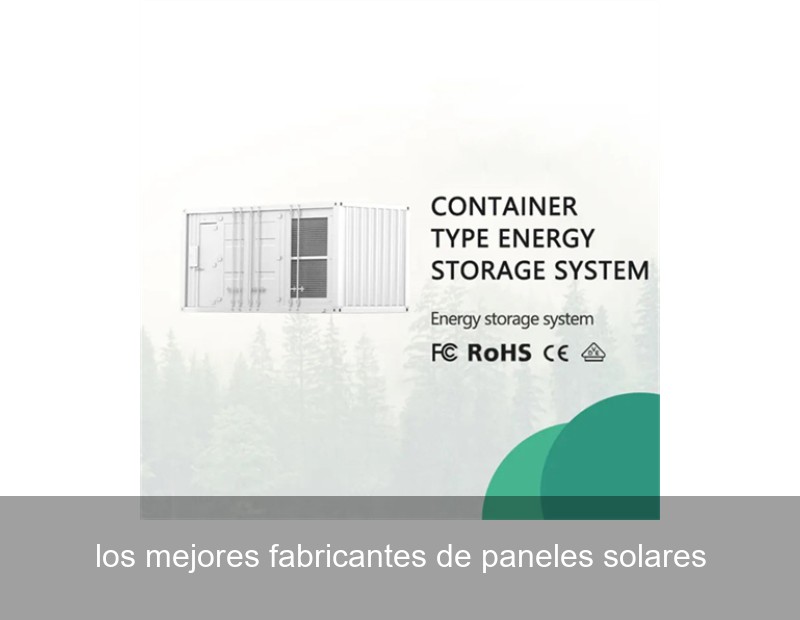
Energy storage is the critical partner to solar panels, enabling true energy independence.
Where Highjoule Fits: The Brains Behind the Brawn
This is where our expertise at Highjoule comes into play. Since 2005, we have specialized not in manufacturing panels, but in creating the intelligent backbone that maximizes the output from los mejores fabricantes de paneles solares. We partner with leading installers and developers who select top-tier panels, and we provide the advanced technology that makes the entire system smarter.
- Highjoule Battery Energy Storage Systems (BESS): Our scalable storage solutions, from residential units like the HES-10 Home to large-scale commercial and microgrid systems, store excess solar energy for use anytime. Featuring high-cycle life lithium-ion chemistry, they are built for daily, deep cycling.
- Adaptive Grid OS Platform: This proprietary software is the true differentiator. It doesn't just monitor; it actively learns your energy patterns, weather forecasts, and utility rate structures (like time-of-use tariffs common in California and parts of Europe) to autonomously optimize energy flow. It decides when to charge the battery, power your home, or sell back to the grid for maximum financial return.
- Complete System Integration: We ensure our storage and software seamlessly communicate with inverters and the grid, creating a plug-and-play experience for integrators. This holistic approach guarantees that the quality of your solar panels is fully realized.
Choosing Highjoule means you're not just buying a battery; you're investing in an intelligent energy ecosystem that future-proofs your investment in solar. For more on how grid integration works, the U.S. Department of Energy's grid modernization initiative provides excellent context.
Making Your Choice: A Practical Framework
So, how do you proceed? Use this framework to guide your conversation with your solar installer:
- Start with Your Goals: Is it bill reduction, backup power during outages, or achieving net-zero carbon?
- Select a Reputable Installer: A certified installer will have partnerships with trusted panel manufacturers (think names like those frequently topping PV Magazine's annual rankings) and will understand local incentives.
- Insist on a Holistic Design: Ask, "How will this system perform at night or during a grid outage? What software will manage the energy?" Ensure storage and intelligent management are part of the initial design, not an expensive afterthought.
- Evaluate the Ecosystem: Inquire about the compatibility and intelligence of the proposed storage and EMS. A system featuring Highjoule technology, for instance, is designed for maximum synergy and long-term adaptability.
The Future-Proofed Home
Imagine a home in Southern Spain or California. Its roof is fitted with high-efficiency panels. Inside the garage, a compact Highjoule battery system hums quietly. The homeowner, via a simple app, can see they are powered 94% by solar, even after sunset, and that the system automatically capitalized on a peak grid price event by selling a small amount of energy. This isn't futuristic; it's available today. The panels are the workhorse, but the intelligence is what delivers peace of mind and peak performance.

Modern energy management puts control and insight directly in the user's hands.
Your journey to solar is a major decision. By focusing on los mejores fabricantes de paneles solares as the cornerstone of a broader, intelligent system, you ensure your investment delivers for decades. The ultimate question is no longer just "Which panel?" but "What kind of energy independence and intelligence do I want to build for my home or business?"
 Inquiry
 Online Chat