


Modular Power Generation: The Future-Proof Energy Solution for Resilience and Growth
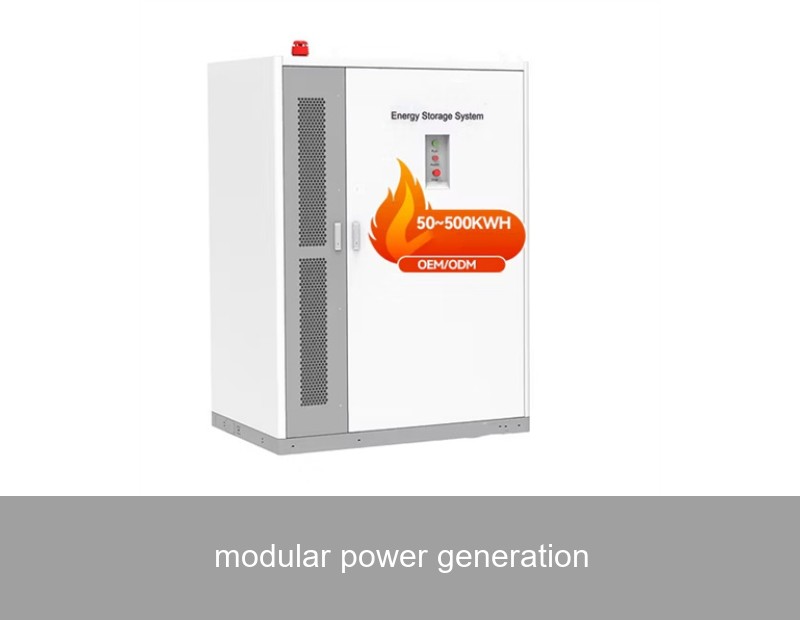
Imagine an energy system that grows with your needs, adapts to new technologies, and strengthens your power resilience—one building block at a time. This is the promise of modular power generation, a transformative approach moving beyond monolithic power plants to flexible, scalable energy architectures. For businesses, communities, and homeowners facing volatile energy prices and grid instability, this isn't just a technical trend; it's a strategic imperative. Let's explore how this modular revolution is reshaping how we produce, store, and manage electricity.
Table of Contents
What is Modular Power Generation?
At its heart, modular power generation is about building your energy system from standardized, interoperable units. Think of it like building with LEGO bricks instead of carving from a single, immovable stone. This approach typically combines solar PV arrays, advanced battery energy storage systems (BESS), and intelligent control software in pre-engineered blocks. These modules can be easily added, upgraded, or reconfigured as energy demands change, technologies improve, or budgets allow. It's the antithesis of the "one-and-done" giant power station, offering unparalleled flexibility.
The Data Driving the Shift
The move towards modularity isn't happening in a vacuum. It's a direct response to clear global challenges. The International Energy Agency (IEA) highlights the critical role of flexibility in grids powered by renewables, noting that investment in grid-scale batteries surged by over 70% in 2023. Meanwhile, power outages in the U.S. cost the economy an estimated $150 billion annually. These phenomena—intermittent renewables, aging grid infrastructure, and economic volatility—create a perfect storm that modular systems are uniquely designed to weather.
The Limitations of Traditional Systems
- Inflexibility: A large, centralized system is difficult and expensive to scale up or down.
- Single Point of Failure: An outage in one part can cripple the entire operation.
- High Upfront Cost: Significant capital is locked in before the first kilowatt-hour is generated.
- Technological Obsolescence: Committing to one technology for 20+ years risks missing out on rapid innovation.

Image Source: Unsplash (Representative image of modular energy storage)
Core Components of a Modular System
A robust modular power generation setup is more than just stacking batteries. It's an integrated ecosystem.
| Component | Role | Modular Advantage |
|---|---|---|
| Solar PV Arrays | Primary renewable generation | Can be expanded panel-by-panel or in array clusters as roof/land space allows. |
| Battery Energy Storage (BESS) | Stores excess energy, provides backup, grid services | Capacity can be increased by adding standardized battery cabinet units. |
| Power Conversion System (PCS) | Converts DC (battery/solar) to AC (usable power) | Scalable inverters that can be paralleled to match growing system size. |
| Energy Management System (EMS) | The "brain" that optimizes energy flow | Software-based; can be updated and reconfigured for new modules or market rules. |
Case Study: A European Logistics Hub
Let's look at a real-world application. A major logistics company operating a 500,000 sq ft distribution center in Northern Germany faced two problems: skyrocketing peak-demand charges from the grid and a corporate mandate to reduce carbon emissions. Their existing rooftop solar was insufficient for round-the-clock operations.
The Modular Solution: They implemented a phased, modular power generation project. Phase 1 involved deploying a 500 kW/1 MWh containerized battery storage system from Highjoule alongside an expansion of their solar capacity. The Highjoule system's intelligent EMS was programmed to perform peak shaving—discharging the batteries during periods of highest grid demand, effectively capping their peak power draw.
The Results (18 Months Post-Installation):
- 30% Reduction in monthly peak demand charges.
- 40% Increase in on-site renewable consumption (from 45% to 85%).
- Enhanced grid stability by providing frequency response services, creating a new revenue stream.
- Encouraged by the ROI, Phase 2 is now underway, adding another 500 kW of storage modules and solar to prepare for electrifying their fleet of forklifts.
This case exemplifies the modular "start-small, scale-fast" philosophy, turning a cost center into a strategic, revenue-generating asset.
Highjoule's Role in the Modular Landscape
Since 2005, Highjoule has been at the forefront of making advanced, modular energy solutions accessible and reliable. We understand that every client's journey is different. That's why our product suite is designed for maximum flexibility and integration.
Our flagship H-Series Modular Battery Storage System is the cornerstone of a modern power generation setup. Each H-Series cabinet is a self-contained unit with integrated power conversion and safety systems. You can start with as few as four cabinets and scale to megawatt-hour capacity by simply adding more units in parallel—much like adding bookshelves to a library. This dramatically reduces initial complexity and cost while future-proofing your investment.

Image Source: Unsplash (Representative image of energy system monitoring)
But hardware is only part of the story. Our Neuron Energy Management Platform is the intelligent software layer that unlocks the full value of your modular assets. It doesn't just manage Highjoule equipment; it can integrate and optimize third-party solar inverters, generators, and even building loads. For commercial and industrial clients, Neuron can automate participation in demand response programs, arbitrage energy markets, and ensure critical operations never skip a beat—all while delivering clear, actionable insights on your energy ecosystem.
From initial consultancy and system design to long-term performance monitoring, Highjoule provides an end-to-end partnership, ensuring your modular power generation strategy delivers on its promise of resilience, sustainability, and economic return.
Implementing Your Modular Strategy
So, where do you begin? The first step is a detailed energy audit to understand your load profiles, peak demands, and existing assets. The goal is to identify the "low-hanging fruit"—like peak shaving or increasing solar self-consumption—that can fund future expansion.
A Phased Implementation Roadmap
- Assessment & Design: Analyze your site and goals. Design a master plan with clear phases.
- Foundation Phase: Install core infrastructure (e.g., a base BESS unit, critical interconnection points) with ample space for expansion.
- Scale & Integrate: Add generation (more solar) and storage modules as capital allows or needs evolve.
- Optimize & Monetize: Leverage advanced software to fine-tune performance and tap into grid service markets.
This approach de-risks the investment and allows you to benefit from improving technology costs and performance over time.
 Inquiry
 Online Chat