


Off Grid Renewable Energy: Your Complete Guide to True Energy Independence
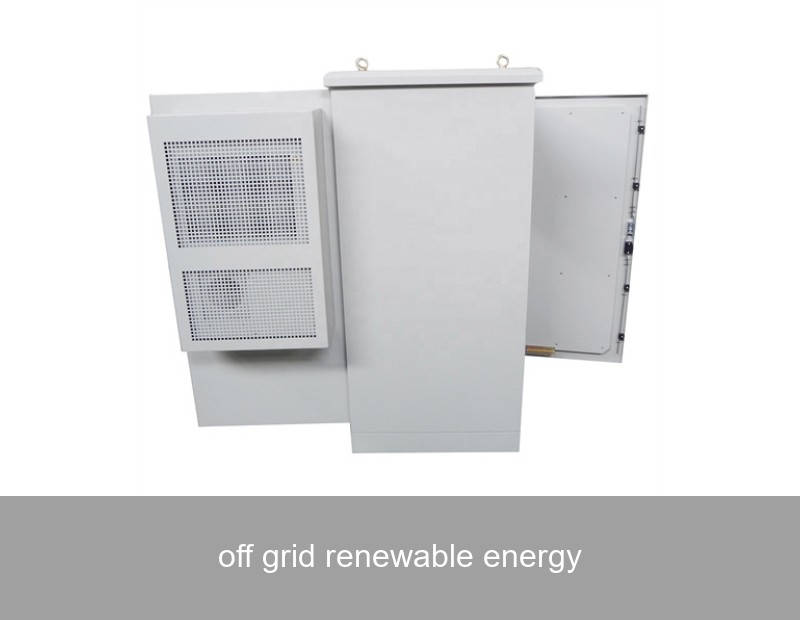
Imagine a home nestled in the mountains, a remote research station, or a farm far from the nearest utility pole—all powered reliably, cleanly, and independently. This is the promise of off grid renewable energy. It's more than just a backup plan; it's a fundamental shift towards self-sufficiency, leveraging the sun, wind, and other natural resources to create a personal, resilient power grid. For homeowners, businesses, and communities across Europe and the US seeking freedom from volatile energy prices and grid vulnerabilities, building a robust off-grid system is an increasingly attractive and viable solution. But the journey from relying on the traditional grid to achieving full energy autonomy requires smart planning and, most critically, the right technology to make renewable sources work around the clock.
The Core Challenge: Intermittency & Reliability
The beauty of solar panels and wind turbines is also their primary challenge: they don't generate power on demand. The sun sets, the wind calms, yet your need for electricity continues. This mismatch between generation and consumption is the single biggest hurdle for any off grid renewable energy system. Without a solution, you'd face frequent blackouts or need to constantly run a polluting diesel generator.
This is where data tells a compelling story. A typical off-grid household in Southern Europe might have a solar array that produces a surplus of 40 kWh on a bright summer day but less than 5 kWh on a cloudy winter day. The energy consumption, however, remains relatively constant. This massive gap between peak production and constant demand must be bridged intelligently.

Image Source: Unsplash - A modern off-grid home powered by solar energy.
The Smart Solution: Advanced Battery Energy Storage Systems (BESS)
Think of a Battery Energy Storage System (BESS) as the heart and brain of your off-grid setup. It doesn't just store excess energy; it manages the entire flow of power with precision. When your panels are producing more than you can use, the BESS stores that precious electricity. When night falls or demand spikes, it seamlessly releases power to your home or business. The evolution from simple lead-acid batteries to sophisticated Lithium-Ion (and now Lithium Iron Phosphate - LFP) systems has been a game-changer, offering longer lifespans, deeper safe discharge cycles, and higher efficiency.
For a system to be truly resilient, the BESS must do more than charge and discharge. It needs to integrate with inverters, manage generator start/stop to minimize fuel use, provide critical surge power for starting motors, and offer remote monitoring and control. This level of intelligence is what separates a system that merely functions from one that thrives.
Why LFP Chemistry is a Game-Changer for Off-Grid
- Safety: LFP batteries are inherently more stable and less prone to thermal runaway than other lithium chemistries, a crucial factor for remote installations.
- Longevity: They can typically endure 6,000+ charge cycles while maintaining 80% capacity, translating to 15-20 years of service in many off-grid applications.
- Performance: They can handle high discharge currents and operate efficiently across a wide temperature range, essential for diverse climates from Scandinavian winters to Arizonan summers.
Real-World Impact: A Case Study from the American West
Let's move from theory to practice. Consider a working cattle ranch in rural Montana, USA, located over 5 miles from the nearest grid connection. The rancher faced exorbitant quotes for grid extension (over $120,000) and relied on an aging, costly diesel generator.
The Solution: A tailored off grid renewable energy system was installed, featuring a 25 kW solar array coupled with a 40 kWh Highjoule HES-Pro Series battery storage system and a backup propane generator for extended low-sun periods.
| Metric | Before System | After System (First Year) |
|---|---|---|
| Annual Fuel Cost | $8,500 | $900 (for propane backup) |
| Generator Runtime | ~5,400 hours | ~220 hours |
| Carbon Emissions | ~22 metric tons CO2e | ~2 metric tons CO2e |
| System Availability | ~90% (with outages) | 99.7% |
This case, documented in a NREL report on renewable integration in remote areas, highlights the transformative power of a well-designed system. The rancher achieved energy independence, slashed operating costs, and gained unparalleled reliability for critical operations like water pumping and refrigeration.
Key Components of a Modern Off-Grid System
Building a reliable off-grid system is like assembling a symphony orchestra—every component must perform in perfect harmony.
- Energy Generation: Solar PV is the most common, but wind or micro-hydro can be excellent complements, depending on your location.
- Energy Storage: The battery bank, its capacity determined by your "days of autonomy" (how many cloudy days you need to weather).
- Inverter/Charger: The multifunctional workhorse that converts DC from batteries to AC for appliances, charges batteries from multiple sources, and manages system logic.
- Backup Generator: A fossil-fuel or biofuel generator for extended periods of low renewable generation, now used only as a last resort by smart systems.
- Energy Management System (EMS): The intelligent software that optimizes every watt, prioritizing loads and deciding when to charge, discharge, or start the generator.

Image Source: Unsplash - A modern battery and inverter system for energy storage.
Highjoule's Role in Your Energy Independence
Since 2005, Highjoule has been at the forefront of solving these complex energy challenges. We understand that an off-grid system is not a commodity; it's a mission-critical asset. Our product suite is engineered specifically for the demands of off grid renewable energy applications.
For the rugged demands of remote living, our HES-Residential Series offers scalable LFP storage with integrated hybrid inverters. Its weather-resistant design and intuitive energy monitoring app give homeowners peace of mind and total control.
For larger-scale needs like remote industrial sites, agricultural operations, or microgrids, the HES-Pro Series provides containerized or skid-mounted solutions. These systems are built with utility-grade components, feature advanced grid-forming capabilities (allowing you to create a stable "grid" from scratch), and can integrate seamlessly with existing generation assets. Highjoule's team doesn't just sell hardware; we provide end-to-end support from feasibility assessment and system design to commissioning and remote lifecycle management, ensuring your investment delivers for decades.
Highjoule Services: Beyond the Hardware
- Custom System Design & Simulation: Using tools like NREL's PVWatts, we model your location's solar resource and load profile to right-size every component.
- Project Management & Commissioning: Expert oversight to ensure your system is installed correctly and performs to specification from day one.
- 24/7 Remote Monitoring & Proactive Maintenance: Our platform can alert us to potential issues before they cause an outage, a critical service for remote locations.
Future Trends in Off-Grid Technology
The landscape of off grid renewable energy is evolving rapidly. We're seeing the integration of AI for predictive energy management, forecasting weather to optimize battery cycles. Hydrogen is emerging as a potential long-term, seasonal storage medium for very large off-grid communities. Furthermore, modular, "plug-and-play" system architectures are making sophisticated off-grid power more accessible and easier to install than ever before.
As these technologies mature, the economic case for going off-grid will only strengthen, moving it from a niche choice for the remote to a compelling option for a wider range of businesses and homeowners seeking resilience and sustainability.
Is your organization or community evaluating the true cost of grid dependency, and what would a resilient, self-powered future look like for you?
 Inquiry
 Online Chat