


Solar Panels and Systems: Your Complete Guide to Clean, Independent Power
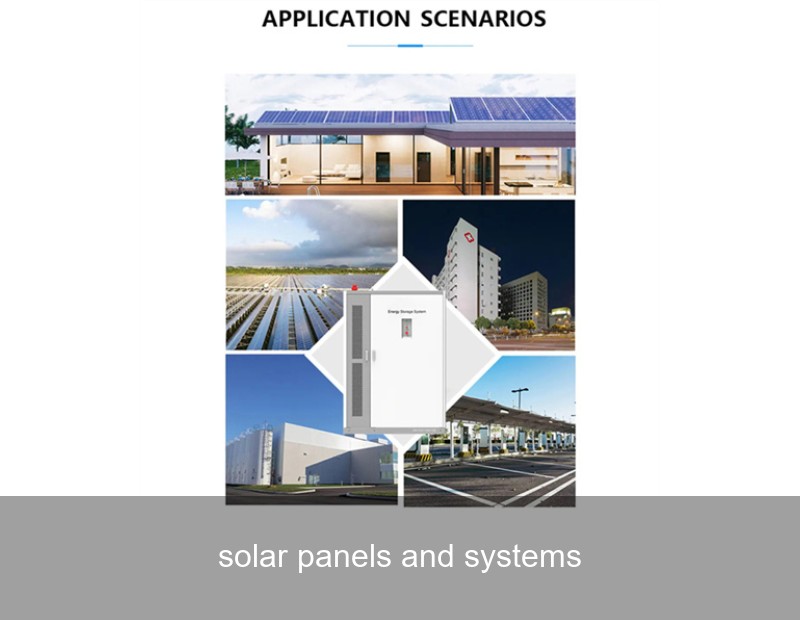
Have you ever looked at your rising electricity bill and wondered if there's a better way? Or felt a pang of concern about your energy footprint? You're not alone. Across Europe and the US, homeowners and businesses are turning their gaze upwards, to the sun, for a solution. Modern solar panels and systems have evolved from a niche alternative to a mainstream powerhouse, capable of delivering significant savings, energy independence, and a tangible step towards sustainability. But how do you navigate this shift from simply having panels on the roof to owning a fully integrated, intelligent energy system? The answer lies not just in the panels themselves, but in the brain of the operation: the advanced energy storage and management system that truly unlocks solar's potential.
Table of Contents
- The Solar Revolution: More Than Just Panels
- Key Components of a Modern Solar System
- The Financial and Practical Case: Data Doesn't Lie
- A Real-World Case Study: From Grid Dependency to Energy Resilience
- Choosing the Right System for Your Needs
- The Highjoule Role: Intelligent Storage for Intelligent Solar
- Looking Ahead: What Will Your Energy Future Be?
The Solar Revolution: More Than Just Panels
The iconic image of a solar panel is just the beginning. Today, a complete solar power system is a sophisticated ecosystem. While photovoltaic (PV) panels are the workhorses that convert sunlight into direct current (DC) electricity, the real magic happens in how that power is managed, stored, and used. Think of it this way: the panels are your solar farm, generating the crop. But without a silo (a battery) to store the surplus and a smart distribution network (an inverter and energy manager), much of that harvest goes to waste, especially when the sun isn't shining. This integrated approach is what transforms a simple installation into a resilient energy asset.
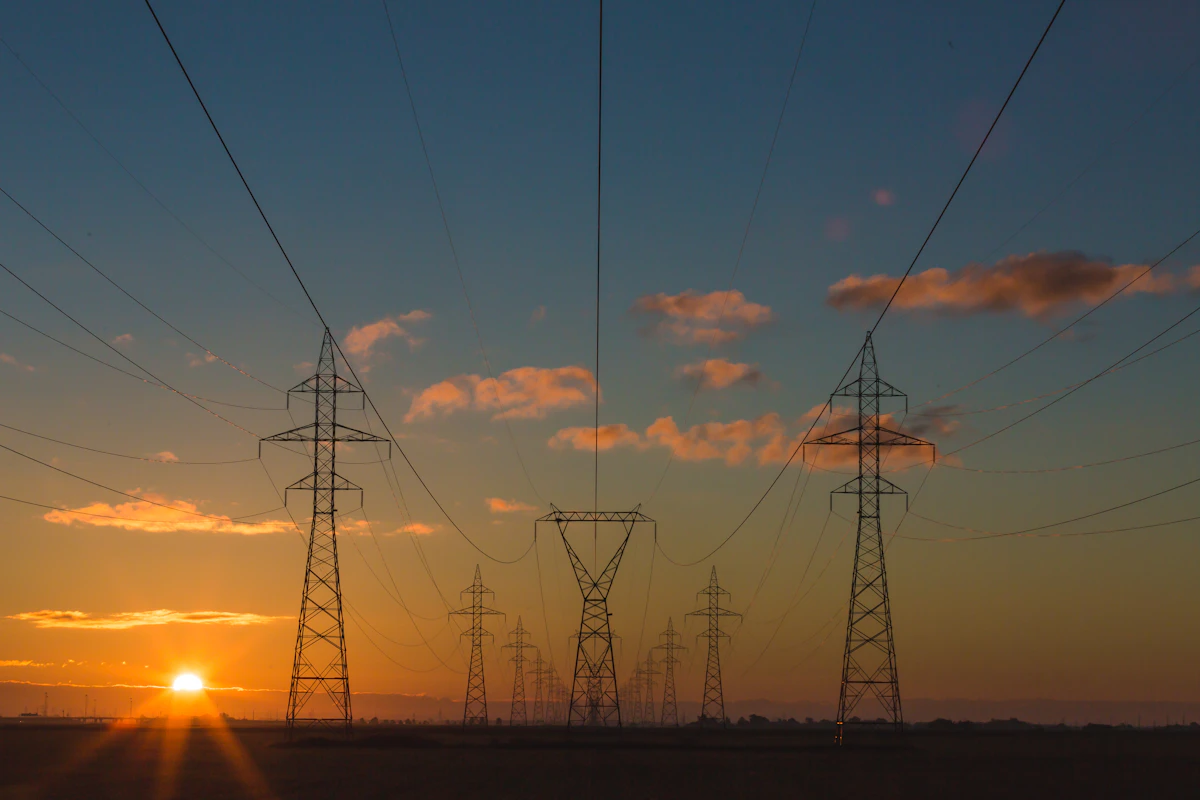
Modern solar installations are designed for both efficiency and aesthetics. (Credit: Unsplash)
Key Components of a Modern Solar System
To understand the value, let's break down the core parts:
- Solar Panels (PV Modules): These are the arrays of silicon cells that create electricity from sunlight. Efficiency rates for premium panels now consistently exceed 22%.
- Inverter(s): This is a critical component that converts the DC electricity from your panels into the alternating current (AC) that powers your home and appliances. Options include string inverters, microinverters, and hybrid inverters.
- Battery Storage System (ESS): The game-changer. A home battery, like those from Highjoule, stores excess solar energy produced during the day for use at night, during peak rate periods, or during a grid outage.
- Energy Management System (EMS): The brain. This intelligent software monitors energy production, consumption, grid conditions, and weather forecasts to optimize when to store, use, or export energy automatically.
- Mounting & Racking: The secure physical framework that attaches your panels to the roof or ground.
- Monitoring: A user-friendly portal, often an app, that shows you your system's real-time and historical performance.
Why Storage is No Longer Optional
In many regions, feed-in tariffs (what you get paid for exporting solar to the grid) are decreasing, while time-of-use electricity rates are becoming common. This means the economics have shifted. Storing your cheap, self-produced solar energy to avoid buying expensive grid power in the evening is now the smartest financial move. Furthermore, a battery provides backup power, a feature whose value is immeasurable during increasing grid instability caused by extreme weather events.
The Financial and Practical Case: Data Doesn't Lie
Let's talk numbers. According to the U.S. Department of Energy's Solar Futures Study, solar could provide up to 40% of the nation's electricity by 2035. The cost of solar PV has dropped by over 70% in the last decade. But the savings multiplier is storage. A typical household with solar alone might achieve 40-60% self-consumption of its solar energy. Pair it with a correctly sized battery, and that figure can jump to 80% or higher, drastically cutting the amount of expensive grid power you need to purchase.
| Scenario | Solar Only | Solar + Highjoule Storage |
|---|---|---|
| Daytime Energy Self-Consumption | High | High |
| Evening/Night Energy Source | Grid Purchase | Stored Solar |
| Grid Independence During Outage | No | Yes |
| Bill Reduction Potential* | 50-70% | 80-95% |
*Potential varies based on location, system size, energy usage, and local utility rates.
A Real-World Case Study: From Grid Dependency to Energy Resilience
Consider a medium-sized dairy farm in Bavaria, Germany. Facing volatile energy costs and concerned about power continuity for its milking and cooling operations, the farm invested in a 50 kW rooftop solar array. Initially, they exported most of their midday surplus for a modest feed-in tariff. However, by integrating a Highjoule HI Series Commercial Battery System (200 kWh) and an intelligent energy manager, they transformed their operation.
The Data-Driven Result: The system was configured to prioritize charging the battery with surplus solar. This stored energy now powers the evening milking parlors and overnight refrigeration. The farm's grid electricity purchases dropped by 91% in the first year. During a regional grid fault that left neighbors without power for 8 hours, the farm's critical loads seamlessly switched to battery power, preventing spoilage and operational chaos. The project's payback period, factoring in German energy price trends, is estimated at under 7 years. This isn't just theory; it's a practical, repeatable model for commercial and agricultural enterprises.

Commercial solar and storage systems can significantly reduce operational costs. (Credit: Unsplash)
Choosing the Right System for Your Needs
Selecting a solar and storage system isn't one-size-fits-all. Key questions to ask include:
- What are your primary goals? (Maximize bill savings, achieve backup power, reduce carbon footprint?)
- What is your energy consumption profile? (Review your hourly or monthly utility bills.)
- What is your roof's orientation, shading, and condition?
- What is the local regulatory and incentive landscape? (e.g., IEA Policy Database can be a resource for high-level trends).
This is where partnering with an expert who can model your specific scenario is invaluable.
The Highjoule Role: Intelligent Storage for Intelligent Solar
This is where Highjoule's expertise becomes crucial. Since 2005, we've understood that the true value of solar is only unlocked with smart storage. Our products are designed to be the perfect partner for your solar panels and systems.
For residential clients, the Highjoule HES (Home Energy System) is a sleek, wall-mounted battery solution that integrates seamlessly with new or existing solar installations. Its AI-driven software learns your household's patterns and automatically optimizes energy flow to maximize self-consumption and savings, all while providing silent, instantaneous backup power.
For commercial and industrial applications, our HI Series modular battery storage systems offer scalable power and capacity. They are engineered for durability and peak performance, helping businesses like the Bavarian farm lock in long-term energy costs, participate in demand charge management, and build a more resilient operational infrastructure. Our systems are designed with a focus on safety, longevity, and seamless integration, ensuring your investment delivers for decades.
Beyond the Hardware: The Highjoule Advantage
We provide more than just hardware. Our services include detailed energy analytics, system design support, and ongoing performance monitoring. We help you navigate the entire journey from initial assessment to seeing the real-world savings on your bill.
Looking Ahead: What Will Your Energy Future Be?
The transition to renewable energy is accelerating. Solar panels and systems are at the heart of this shift, but their full potential is realized when they are part of an intelligent, responsive energy ecosystem. The technology is proven, the economics are compelling, and the need for energy resilience is clearer than ever.
So, the question isn't just whether you should get solar panels. The more pertinent question is: How will you take control of the clean energy you produce, maximize its value for your home or business, and build true energy independence? The next step is to model your specific scenario. What would your energy profile look like with a system designed for your actual needs?
 Inquiry
 Online Chat