


Paneles Solares para Departamentos: Your Guide to Clean, Independent Energy
Imagine slashing your electricity bill while contributing to a greener planet, all from your apartment. For urban dwellers across Europe and the United States, this is no longer a distant dream. The rise of paneles solares para departamentos (solar panels for apartments) is democratizing energy access, turning balconies, terraces, and shared rooftops into personal power plants. But how does it work in a multi-tenant building? Is it truly feasible and cost-effective? This guide will illuminate the path to solar energy for apartment residents, blending practical advice with real-world solutions that are reshaping urban energy consumption.
Table of Contents
The Rise of Apartment Solar: Why Now?
The phenomenon is clear: city residents want renewable energy. In the EU, renewables provided 23% of energy in 2022, with solar PV leading growth. In the U.S., solar installations continue to break records. Yet, a significant portion of the population—apartment renters and owners—felt excluded from this revolution. Traditionally, solar was for single-family homes with ample, privately-owned roof space.
The data tells a new story. The global market for balcony power plants, community solar, and building-integrated photovoltaics is exploding. In Germany alone, over 200,000 plug-in solar devices were registered in 2023, many on apartment balconies. The drivers are undeniable: soaring electricity prices, increased climate awareness, and, crucially, technological innovation that has made solar panels lighter, more efficient, and easier to install.
Key Challenges and Modern Solutions for Apartment Solar
Implementing paneles solares para departamentos isn't without hurdles. Let's break down the common obstacles and the contemporary solutions that address them.
| Challenge | Modern Solution |
|---|---|
| Lack of Private Roof Space | Balcony solar systems, terrace-mounted panels, and shared rooftop allocations via a Virtual Power Plant (VPP) model. |
| Building Permission & Bylaws | Plug-and-play devices under a certain wattage (e.g., 800W in EU) often don't require complex permits. Clear communication with homeowner associations (HOAs) is key. |
| Energy Distribution & Billing | Smart metering and sub-metering software that accurately allocates solar generation to individual apartments, ensuring fair credits on utility bills. |
| Intermittent Supply & Self-Consumption | Coupling with a compact, safe battery storage system to store excess daytime energy for use at night, maximizing independence. |
This last point is critical. The true power of paneles solares para departamentos is unlocked when paired with storage. Without a battery, excess solar energy you can't use instantly often gets fed back to the grid for minimal compensation. With a battery, you increase your self-consumption rate from ~30% to 70% or more, creating a true personal energy ecosystem.

Image source: Unsplash. Example of integrated balcony solar panels.
The Technology Making It Possible: Beyond the Panel
Today's solutions are about intelligent systems, not just panels. Key components include:
- Plug-in Solar Modules: Certified, all-in-one kits with micro-inverters. They plug into a standard outdoor socket, with power limited for safety and grid stability.
- Smart Lithium-Ion Batteries: Compact, wall-mounted units designed for indoor use. They feature sophisticated Battery Management Systems (BMS) for safety, longevity, and seamless integration.
- Energy Management Systems (EMS): The brain of the operation. This software monitors production, consumption, and storage, optimizing energy flows automatically to save you the most money.
- Virtual Power Plant (VPP) Software: For larger residential complexes, this aggregates the output of all individual systems, allowing the building to act as a unified energy entity, participate in grid services, and enhance stability.
Real-World Impact: A Case Study from Berlin, Germany
Let's move from theory to tangible results. A 12-unit apartment building in Berlin's Kreuzberg district faced a common dilemma: residents wanted to go green and reduce costs, but the shared, slanted roof made individual allocations difficult.
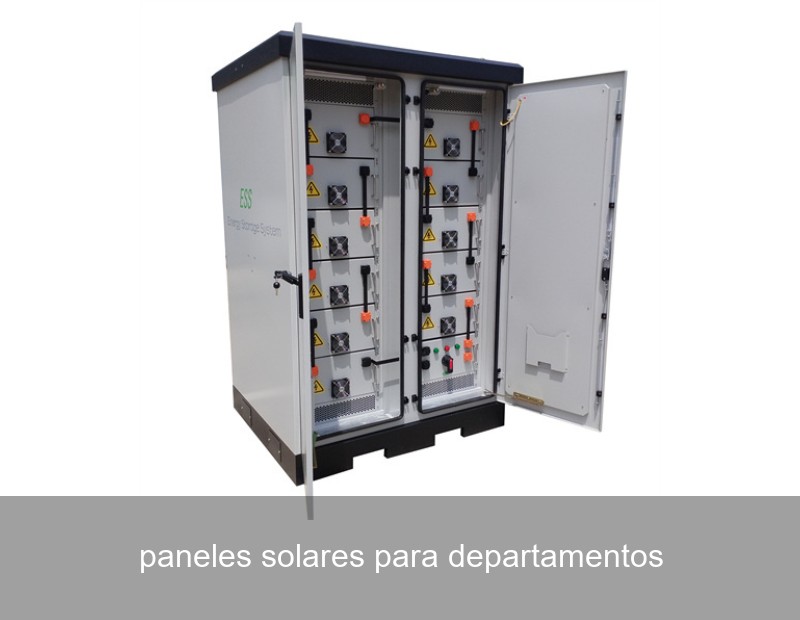
The Project: The building association partnered with an integrator to install a 45 kWp solar array on the entire rooftop. The key was integrating a centralized Highjoule HI-Cube 20 battery storage system (20 kWh capacity) with a proprietary energy allocation platform.
- Solar panels cover ~60% of the building's common area and partial apartment electricity loads.
- The Highjoule HI-Cube stores excess solar energy, which is then virtually allocated to each apartment based on pre-defined shares.
- Residents access real-time data via an app, seeing their personal contribution and savings.
Results after 12 months (based on public project data):
- 25% average reduction in purchased grid electricity per household.
- 75% of solar energy consumed directly within the building (thanks to the battery), maximizing financial return.
- Building's carbon footprint reduced by an estimated 18 tonnes of CO2 annually.
- Increased property value and tenant satisfaction.
This case exemplifies the synergy of shared solar generation, communal storage, and smart allocation—a model perfectly suited for urban environments.

Image source: Unsplash. Conceptual design of a solar-integrated apartment building.
How Highjoule Empowers Apartment Solar Projects
As a global leader in advanced energy storage since 2005, Highjoule's expertise is pivotal in making paneles solares para departamentos projects reliable and efficient. Our role isn't typically in manufacturing the panels themselves, but in providing the intelligent storage and control backbone that makes apartment solar systems truly impactful.
For individual apartment owners or tenants with a balcony, our Highjoule HI-PowerWall S series offers a sleek, safe, and powerful solution. These compact lithium iron phosphate (LiFePO4) batteries are designed for indoor installation, connect seamlessly with most plug-in solar systems, and are managed by our intuitive app. They turn a simple solar generator into a 24/7 power source.
For entire buildings or communities, our HI-Cube Commercial and Virtual Power Plant (VPP) software platform provide the industrial-grade solution. Like in the Berlin case, we enable fair energy sharing, grid stability, and maximize return on investment for all stakeholders. Our systems are designed with the highest standards of safety and cyclability, ensuring your sustainable investment lasts for decades.
Your First Steps Towards Solar Energy in Your Apartment
Ready to explore? Here’s a practical action plan:
- Check Your Sun Exposure: Does your balcony, terrace, or window get at least 4-6 hours of direct sunlight? Use a simple compass app to assess orientation (south-facing is ideal in the Northern Hemisphere).
- Review Building Rules: Consult your lease, building management, or HOA. Frame the conversation around safety, certified equipment, and potential property value enhancement.
- Research Local Regulations & Incentives: Many states in the U.S. (like California and New York) and countries in the EU offer tax credits, rebates, or favorable feed-in tariffs for solar and storage. The DSIRE database is a great resource for North America.
- Get a Professional Assessment: Contact a local installer experienced in multi-family solar solutions. They can assess your specific situation, recommend system size, and handle permits.
- Consider the Full System: Ask about integrating a battery from the start. While it increases upfront cost, it dramatically boosts your energy independence and financial savings over time.
What's the first question you will ask your building manager or landlord about bringing clean, resilient solar power to your apartment?
 Inquiry
 Online Chat