


Panneau Photovoltaïque Maroc: Powering a Sustainable Future with Solar Energy
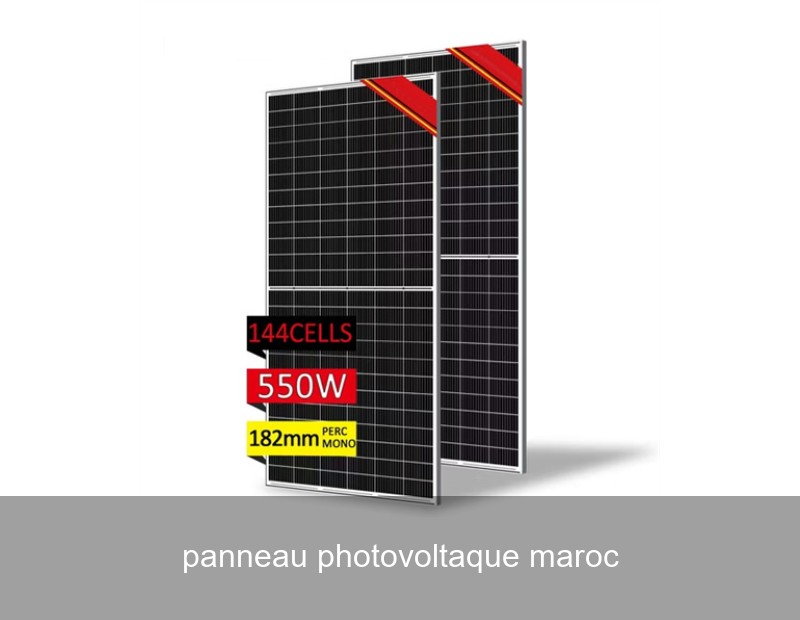
When we think of Morocco, images of sun-drenched deserts and coastlines come to mind. This very abundance of sunlight is no longer just a climatic feature; it's the cornerstone of a national energy revolution. The term panneau photovoltaïque Maroc (photovoltaic panel Morocco) has evolved from a niche concept to a symbol of progress, representing the country's ambitious drive towards energy independence and sustainability. For homeowners, businesses, and industrial players in Morocco and across sun-rich regions, understanding this shift is key to unlocking both economic and environmental benefits. This article delves into Morocco's solar landscape, the critical role of energy storage, and how modern solutions are transforming sunlight into reliable, 24/7 power.
Table of Contents
Morocco's Sun: From Natural Resource to National Strategy
With over 3,000 hours of sunshine per year, Morocco possesses one of the highest solar potentials in the world. Recognizing this, the Kingdom launched a groundbreaking energy strategy, aiming to generate 52% of its electricity from renewable sources by 2030. Massive projects like the Noor Ouarzazate Solar Complex, one of the world's largest concentrated solar power plants, have put Morocco on the global map.
But the real transformation is happening closer to the ground. Driven by decreasing costs of panneaux photovoltaïques and a growing awareness of energy security, distributed solar generation is booming. From residential rooftops in Casablanca to commercial facilities in Tangier, businesses and individuals are taking control of their energy production. However, a fundamental challenge remains: the sun doesn't shine at night, and energy demand doesn't pause.

This intermittency is the single biggest hurdle for pure solar systems. Without a way to store excess energy produced at midday, a significant portion of that clean power goes to waste, and users remain reliant on the grid after dark. This is where the conversation around panneau photovoltaïque Maroc must evolve to include its essential partner: advanced battery energy storage systems (BESS).
Beyond the Panels: The Critical Need for Energy Storage
Think of a solar photovoltaic system without storage like a water reservoir with a hole in it. You can collect plenty during the day, but you have no reserve for the night. Energy storage acts as a seal, allowing you to capture, hold, and use your solar energy on your schedule.
The benefits are transformative:
- Energy Independence: Dramatically reduce grid dependence, protecting against power outages and fluctuating energy prices.
- Maximized Self-Consumption: Use 70% or more of the solar energy you produce, compared to 30-50% without storage, leading to faster ROI on your panels.
- Grid Stability: For larger commercial and industrial (C&I) applications, storage can provide services that support the local grid's health.
- Backup Power: Ensure critical operations continue seamlessly during grid interruptions.
For the Moroccan market, with its specific grid dynamics and high solar yield, pairing panneaux photovoltaïques with storage isn't just an upgrade; it's the key to unlocking the full potential of the investment. This combination, often called a "Solar-Plus-Storage" system, is what creates a truly resilient and cost-effective energy asset.
Case Study: Stabilizing a Moroccan Agri-Business with Solar + Storage
Let's look at a real-world example. A large fruit processing and cold storage facility near Marrakech was facing two major challenges: high electricity costs that eroded profit margins and vulnerability to even brief grid outages that risked spoiling valuable inventory.
They installed a 500 kW rooftop solar array (panneau photovoltaïque system). While this reduced daytime grid consumption, the facility's energy demand peaked sharply in the early evening during cooling and packaging shifts—precisely when solar production dropped. They were still drawing expensive power from the grid and remained at risk.
The solution was integrating a 250 kW / 550 kWh battery energy storage system. Here’s the impact, measured over one year:
| Metric | Before Storage | After Storage Integration |
|---|---|---|
| Solar Self-Consumption | 48% | 92% |
| Grid Energy Demand at Peak Hours | ~320 kW | ~70 kW |
| Estimated Annual Energy Cost Savings | -- | €68,000+ |
| Backup Power for Critical Loads | None | Up to 4 hours |
The storage system was programmed to charge from the excess solar production in the afternoon. Then, it discharged during the expensive evening peak period, effectively "shifting" the solar energy to when it was needed most. This not only saved money but also provided peace of mind with backup power. This case exemplifies how moving beyond just panels to an integrated system delivers tangible, high-value outcomes.
Choosing the Right Solar and Storage System for Your Needs
Whether for a home, a commercial enterprise, or an industrial plant, designing an optimal system requires careful consideration. Here’s a simplified framework:
- 1. Analyze Your Energy Profile: When do you consume energy? Review your utility bills to understand your consumption patterns and peak demand charges (for C&I).
- 2. Right-Size the Solar Array: The panneau photovoltaïque installation should be sized not just for your total consumption, but with your storage capacity in mind to minimize waste.
- 3. Select Storage with Intelligence: The battery system is the brain of the operation. Key factors include:
- Power (kW): How much energy it can deliver at once.
- Capacity (kWh): How much total energy it can store.
- Depth of Discharge & Cycle Life: Determines longevity and warranty.
- Software & Integration: The system must intelligently manage energy flow based on weather, usage, and tariff schedules.
This is where partnering with an experienced provider makes all the difference. A system with poorly matched components or weak energy management software will fail to deliver the promised savings and reliability.
Highjoule's Role in Morocco's Energy Future
At Highjoule, we've been at the forefront of the advanced energy storage revolution since 2005. We understand that a successful panneau photovoltaïque Maroc project is about more than just hardware; it's about delivering predictable performance and long-term value. Our solutions are designed to seamlessly integrate with existing and new solar installations, transforming them into comprehensive power plants.
For the Moroccan market and similar regions, we offer:
- Highjoule H-Series Commercial & Industrial ESS: Scalable, containerized or modular battery systems with robust thermal management, built for demanding environments. Their advanced energy management system (EMS) can be configured for peak shaving, self-consumption optimization, and backup power.
- Highjoule Residential Power Hub: An all-in-one unit combining a hybrid inverter, battery storage, and intelligent monitoring, perfect for homeowners looking to maximize their rooftop solar investment and gain energy security.
- Highjoule Microgrid Controller: For larger-scale or off-grid applications, this technology can orchestrate solar PV, multiple battery units, and backup generators into a stable, independent microgrid.

Our global experience, from European grid-support projects to remote African microgrids, informs our product design. We prioritize safety, longevity, and smart software that adapts to local conditions—like Morocco's specific irradiance patterns and grid requirements. By choosing a partner like Highjoule, you're not just buying a battery; you're investing in a guaranteed pathway to energy resilience.
Looking Ahead: The Integrated Energy Landscape
The narrative around renewable energy in Morocco and beyond is rapidly shifting. The initial focus on generation (the panneau photovoltaïque) is now maturing into a focus on optimization and reliability (through storage). According to the International Energy Agency, energy storage is the critical enabler for the next phase of the global energy transition. Furthermore, research from institutions like the National Renewable Energy Laboratory (NREL) consistently shows the compelling economic case for solar-plus-storage in commercial and industrial settings.
As energy markets evolve and technologies like vehicle-to-grid (V2G) emerge, the integrated system of solar, storage, and smart management will become the default standard for modern, sustainable power. The question for business leaders and homeowners in Morocco is no longer just "Should I install solar panels?" but rather, "How can I design an intelligent energy system that maximizes my independence, protects my operations, and delivers the best return for the next 20 years?"
What is the most significant energy challenge your home or business in Morocco faces today, and how could a smarter approach to your solar investment help solve it?
 Inquiry
 Online Chat