


Solar Panels in Mauritius: Powering Paradise with Sustainable Energy
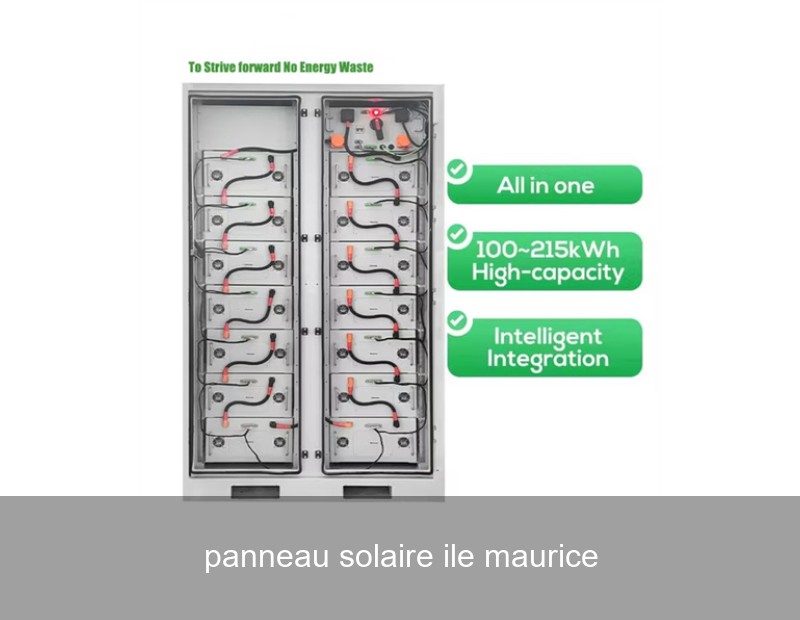
Imagine an island nation blessed with abundant sunshine, surrounded by the turquoise waters of the Indian Ocean. Mauritius is this paradise, but like many island communities, it faces a pressing challenge: energy security and sustainability. This is where panneau solaire Ile Maurice (solar panels in Mauritius) transition from a simple green choice to a strategic necessity. For homeowners and businesses across the island, harnessing the generous Mauritian sun is key to achieving energy independence, reducing costly electricity bills, and protecting the island's pristine environment. In this article, we'll explore the solar revolution taking place in Mauritius, the unique considerations for island energy systems, and how modern technology is making self-sufficiency more achievable than ever.
Table of Contents
- The Mauritian Energy Challenge: A Classic Island Phenomenon
- By the Numbers: The Rise of Solar in Mauritius
- Beyond the Panels: The Critical Role of Energy Storage
- Case Study: A Hotel's Journey to Energy Resilience
- Tailored Solutions for Mauritius: The Highjoule Approach
- The Future Outlook for Mauritian Solar
The Mauritian Energy Challenge: A Classic Island Phenomenon
Island grids are often isolated, fragile, and heavily reliant on imported fossil fuels. Mauritius is no exception. The Central Electricity Board (CEB) has made significant strides in integrating renewable sources, but the fundamental vulnerability remains. Fluctuating fuel prices on the global market directly impact local electricity costs, creating financial uncertainty. Furthermore, the grid's capacity can be strained, especially during peak tourism seasons when hotels and resorts operate at full capacity.
This phenomenon creates a compelling case for distributed energy generation. By installing panneaux solaires, Mauritian households and businesses aren't just saving money—they are actively participating in strengthening the island's overall energy resilience. It's a move from being a passive consumer to an active "prosumer" (producer + consumer).
By the Numbers: The Rise of Solar in Mauritius
The data tells a story of rapid growth. According to Mauritius's Central Electricity Board, as of 2023, renewable energy contributed over 24% to the island's electricity mix, with solar PV being a major driver. The government's ambitious target is to reach 60% renewable energy by 2030. This policy push, combined with falling global prices for solar panels, has led to a surge in installations.
But raw installation numbers only show part of the picture. The true measure of success for any solar system, especially in a location prone to tropical weather events, is its long-term performance and reliability. This is where quality of components, intelligent design, and crucially, energy storage come into play.

Credit: Unsplash / Representative image of solar panels in a tropical environment.
Beyond the Panels: The Critical Role of Energy Storage
Here's a key insight many first-time solar adopters discover: solar panels alone don't solve the night-time or cloudy-day problem. Without a battery storage system, any excess solar energy produced during the day is fed back to the grid, and you draw power from the grid when the sun isn't shining. This is fine, but to truly achieve energy independence and maximize self-consumption, you need to store your sunshine for later use.
This is the cornerstone of a modern solar-plus-storage system. For the Mauritian context, a high-quality Battery Energy Storage System (BESS) provides three unbeatable benefits:
- Energy Security: Acts as a backup power supply during grid outages, which can be caused by storms or maintenance.
- Financial Optimization: Store cheap solar energy to use during expensive peak tariff periods in the evening.
- Grid Support: Advanced systems can help stabilize the local grid, contributing to national energy goals.
Tailored Solutions for Mauritius: The Highjoule Approach
This is precisely where Highjoule's expertise becomes vital. As a global leader in advanced energy storage systems since 2005, we understand that a one-size-fits-all solution doesn't work for an island's unique demands. Our systems are engineered for intelligence, efficiency, and durability.
For the Mauritian residential and commercial market considering panneau solaire Ile Maurice projects, Highjoule offers integrated storage solutions like our H-Joule Home+ and H-Joule Commercial ESS. These systems are designed to handle tropical climates with robust thermal management. Their intelligent software learns your energy consumption patterns, automatically optimizing when to store solar energy, when to use it, and when to potentially sell back to the grid under Mauritius's Net Metering scheme, ensuring you get the maximum return on your investment.
Our products are more than just batteries; they are the brain of your personal energy ecosystem, ensuring every kilowatt-hour of your precious solar generation is used effectively.
Case Study: A Hotel's Journey to Energy Resilience
Let's look at a real-world example. A 120-room beachfront hotel in Flic-en-Flac was facing annual electricity costs exceeding MUR 12 million (approx. USD 260,000), with a significant portion attributed to air conditioning and water heating during peak evening hours. Their existing 100kW solar panel array was reducing their daytime grid consumption, but they were still heavily reliant on the CEB grid at night.
The Solution: The hotel partnered with a local solar installer who integrated a Highjoule 300kWh Commercial ESS with their existing solar array. The system was configured to ensure the hotel's critical operations (lighting, refrigeration, reception) could run seamlessly during any grid interruption.
| Metric | Before Highjoule BESS | After Highjoule BESS Installation |
|---|---|---|
| Grid Energy Consumption (Peak Evening) | ~80% of daily peak load | Reduced to ~20% |
| Annual Electricity Cost Savings | Baseline | Increased by 40% (on top of solar-only savings) |
| Self-Consumption of Solar Energy | ~35% | Over 85% |
The hotel now uses stored solar energy to cover its evening peak, dramatically cutting costs. The system also provides full backup for critical loads for up to 8 hours, enhancing guest satisfaction and operational resilience—a crucial factor in the hospitality industry. This case exemplifies how panneau solaire projects, when paired with the right storage technology, deliver transformative economic and operational benefits.
The Future Outlook for Mauritian Solar
The trajectory for solar energy in Mauritius is incredibly positive. With continued government support through incentives and a clear national energy policy, the market is ripe for innovation. The next frontier includes integrating electric vehicle charging with solar-plus-storage systems and developing community-based microgrids, particularly in more remote areas of the island.
Organizations like the International Renewable Energy Agency (IRENA) highlight islands as ideal testbeds for the renewable energy transition. Mauritius has the potential to become a global showcase for how a thriving economy can successfully decouple from fossil fuels through smart policy and cutting-edge technology.

Credit: Unsplash / Representative image of a modern battery energy storage system.
Making the Decision for Your Home or Business
If you're considering panneau solaire Ile Maurice, the most important step is to think beyond the panels. Ask your installer not just about the PV modules, but about the entire system lifecycle: How will I use the energy I produce? What happens when the grid is down? How can I ensure my system remains efficient and safe for its entire 15+ year lifespan?
Highjoule works with a network of certified, experienced installers in key markets who are trained to design these holistic systems. We believe that the right energy storage solution transforms a solar installation from a cost-saving measure into a strategic asset for energy independence.
Is your current or planned solar installation truly prepared to handle Mauritius's unique energy challenges and opportunities, or is it missing the key component that unlocks its full potential?
 Inquiry
 Online Chat