


Next-Generation Solar Water Heating Panels: Your Key to Energy Independence and Savings
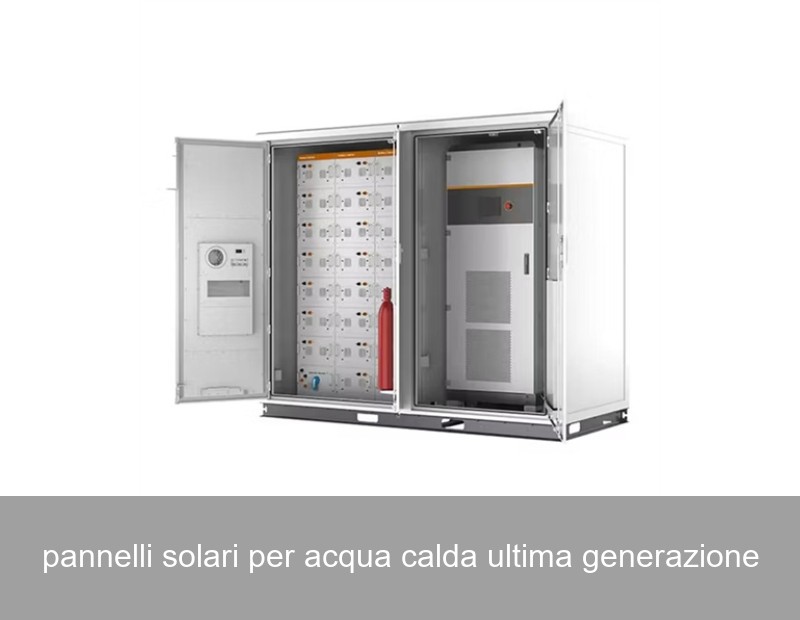
Have you ever looked at your energy bill and wondered if there's a smarter, more sustainable way to heat your water? You're not alone. Across Europe and the US, homeowners and businesses are turning to a modern solution: pannelli solari per acqua calda ultima generazione (next-generation solar water heating panels). These aren't the clunky systems of the past. Today's advanced solar thermal technology integrates seamlessly with intelligent energy management, offering unprecedented efficiency and control. This evolution represents more than just hot water; it's a cornerstone for a resilient, cost-effective, and self-sufficient energy ecosystem for your home or business.
Table of Contents
The Problem: Rising Costs and Unreliable Grids
Let's face it: traditional water heating is a significant energy drain. Whether you rely on a gas boiler, an electric heater, or a standard heat pump, you're vulnerable to volatile energy prices and grid instability. In Europe, gas prices have seen dramatic fluctuations, while in parts of the US, grid strain during peak hours leads to soaring electricity costs and even blackouts. Heating water can account for 15-25% of a typical household's energy consumption. This isn't just a monthly bill issue; it's a systemic challenge to both your wallet and energy security.
The Data: Why Solar Thermal is a Powerhouse
The numbers speak for themselves. Modern evacuated tube or high-performance flat plate collectors boast efficiency rates exceeding 70-80%, meaning they convert most of the sun's radiation into usable heat. According to the U.S. Department of Energy, a well-designed solar water heating system can provide 50% to 80% of a home's annual hot water needs. In sunnier climates like Southern Europe or California, that figure can reach over 90%. This direct conversion of sunlight to heat is remarkably efficient, often more so than generating electricity via PV panels to then heat water with a resistive element.

Modern evacuated tube collectors are a key component of next-generation solar thermal systems.
The Evolution: From Simple Panels to Intelligent Systems
So, what makes the "ultima generazione" (next generation) so different? It's all about integration and intelligence.
- Advanced Materials: Selective coatings on absorber plates and vacuum-insulated tubes minimize heat loss, enabling operation even in diffuse sunlight or colder climates.
- Smart Control Systems: These are the brains of the operation. Advanced controllers monitor panel temperature, storage tank temperature, and household demand. They optimize pump speed, prioritize heat use, and can even integrate with auxiliary heating systems.
- Hybrid Readiness: The true power of a next-gen system lies in its ability to work in concert with other renewable sources, like photovoltaic (PV) solar panels, and most critically, with advanced battery storage systems.
Highjoule's Role: Integrating Thermal and Electrical Storage
This is where Highjoule's expertise transforms a great solution into a complete energy independence platform. While solar thermal panels handle your hot water with supreme efficiency, your PV panels generate electricity. The challenge? Syncing production with consumption. Highjoule's intelligent battery energy storage systems (BESS) solve this.
Imagine this scenario: Your solar thermal system has covered your hot water needs by midday. Your PV panels are still producing excess electricity. Instead of sending it back to the grid at a low rate, a Highjoule HPS-10 or HPS-15 residential battery system stores that energy. In the evening, when the sun is down but your family's energy demand is high, you draw from your battery to power lights, appliances, and even supplement your heating system. Our Energy Management System (EMS) acts as the central conductor, seamlessly deciding when to store PV electricity, when to draw from the battery, and when to use grid power as a last resort, always prioritizing your savings and self-consumption.
For commercial and industrial applications, our GridMax C&I series provides scalable storage that can manage larger solar thermal arrays and massive PV installations, enabling demand charge reduction and backup power resilience.
A Real-World Case: The Milan Apartment Complex
Let's look at a concrete example. A 20-unit residential complex in Milan, Italy, sought to reduce its reliance on natural gas and cut rising operating costs. The solution involved a hybrid system:
| Component | Specification | Role |
|---|---|---|
| Next-Gen Solar Thermal | 60 sq.m. of high-vacuum tube collectors | Primary hot water heating for all units and partial space heating support. |
| Photovoltaic Array | 45 kWp rooftop installation | Generates electricity for common areas and apartment consumption. |
| Highjoule Storage | 2x GridMax 50 Commercial BESS (100 kWh total) | Stores excess PV production, manages evening load, provides grid services. |
| Intelligent EMS | Highjoule Central Controller | Optimizes flow between thermal system, PV, batteries, and the grid. |
The Results After 12 Months (Data from building management system):
- Gas consumption for water heating reduced by 78%.
- Overall building electricity costs down by 65% through self-consumption and peak shaving.
- The system provided 72 hours of full backup power during an unplanned grid outage, keeping critical systems and hot water online.
- Estimated project payback period: Under 7 years, with incentives from the EU's building efficiency directives.

Modern multi-family buildings are ideal candidates for integrated solar thermal, PV, and storage solutions.
The Future: Your Energy Ecosystem
The Milan case illustrates the paradigm shift. Pannelli solari per acqua calda ultima generazione are no longer a standalone product. They are a vital, highly efficient input into a broader, intelligent home or business energy ecosystem. When paired with photovoltaic generation and a sophisticated storage system like those from Highjoule, you create a resilient microgrid. This system not only slashes bills but also provides peace of mind against outages and contributes directly to carbon reduction goals.
The technology is here, it's proven, and it's more accessible than ever. The question is no longer just about how to heat your water, but about how you want to manage your entire energy footprint. Are you ready to explore how a fully integrated system, with next-generation solar thermal at its heart, can be designed for your specific home or business needs?
 Inquiry
 Online Chat