


Finding the Right Philippines Solar Panel Supplier: A Guide for Sustainable Energy Success
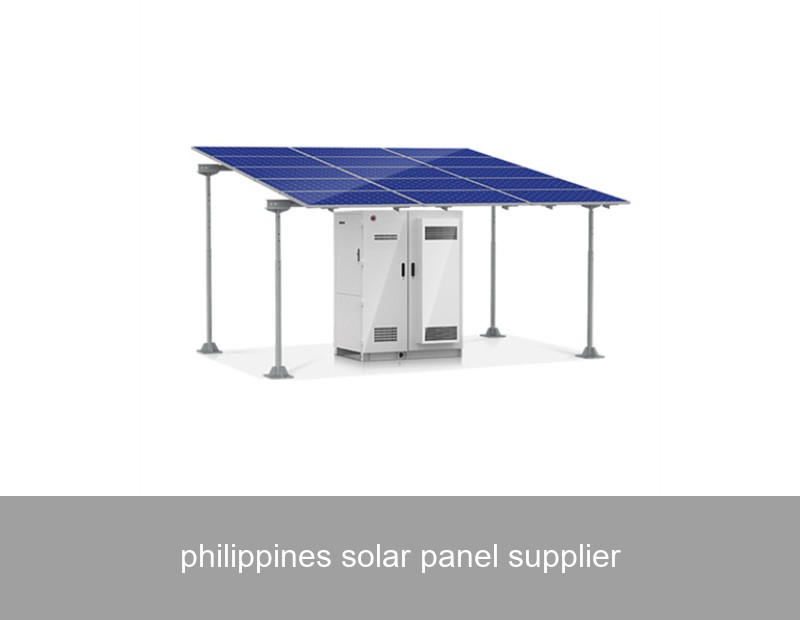
Imagine a country blessed with abundant sunshine, poised to harness its natural wealth for a cleaner, more independent energy future. That's the Philippines today. As the nation accelerates its shift towards renewable energy, the choice of a Philippines solar panel supplier becomes more than just a procurement decision—it's a strategic partnership for long-term resilience and savings. For businesses, industries, and communities, this isn't just about installing panels; it's about integrating a reliable, intelligent system that delivers value for decades. In this guide, we'll explore the critical factors in selecting a supplier and how advanced energy storage transforms a simple solar installation into a robust power solution.
Table of Contents
- The Philippine Solar Boom: More Than Just Panels
- Beyond Supply: The Critical Role of System Intelligence
- Case Study: A Cebu Industrial Plant's Journey to Energy Independence
- Key Criteria for Choosing Your Solar Partner
- Highjoule: Your Partner in Intelligent Philippine Solar-Storage Solutions
- The Future is Integrated: Solar + Storage for the Philippines
The Philippine Solar Boom: More Than Just Panels
The Philippines receives an average of 5.0 to 5.5 kWh/m² per day of solar irradiance, making it one of the most solar-rich nations in Southeast Asia. Driven by ambitious government targets, falling technology costs, and a pressing need for energy security, the market is expanding rapidly. However, the tropical climate presents unique challenges: intense heat, high humidity, and frequent typhoons can stress conventional solar equipment. This means a quality Philippines solar panel supplier must offer more than just a commodity product; they must provide technology engineered for durability and paired with solutions that address solar power's inherent intermittency.
The Intermittency Challenge
Solar panels only generate power when the sun shines. For a factory operating 24/7 or a hospital that cannot afford blackouts, this variability is a major hurdle. This is where the conversation evolves from "solar panels" to "complete energy systems." The true value is unlocked when solar generation is coupled with advanced battery energy storage systems (BESS), ensuring a stable, dispatchable power supply day and night.

Image: Solar installations in the Philippines require robust components suited for the tropical environment. Source: Unsplash
Beyond Supply: The Critical Role of System Intelligence
Think of a solar PV system as a team. The panels are the star players, but they need a smart coach and a reliable bench. The inverter, the monitoring system, and crucially, the battery storage, form the backbone of performance. A leading Philippines solar panel supplier should act as a system integrator, ensuring all these components communicate seamlessly.
Highjoule, as a global leader in advanced energy storage, emphasizes that intelligence is key. Our systems are built with sophisticated energy management software that:
- Optimizes Self-Consumption: Automatically decides when to store solar energy and when to use it, maximizing savings on your electricity bill.
- Provides Grid Services: For larger commercial and industrial (C&I) applications, systems can offer frequency regulation or peak shaving, creating potential revenue streams.
- Ensures Resilience: During grid outages, the system instantly switches to backup power, keeping critical operations running.
Case Study: A Cebu Industrial Plant's Journey to Energy Independence
Let's look at a real-world example. A large food processing plant in Cebu faced cripplingly high energy costs and frequent voltage fluctuations that risked damaging sensitive machinery. They partnered with a local Philippines solar panel supplier who integrated Highjoule's containerized BESS solution with a new 1.2 MW rooftop solar array.
| Metric | Before Installation | After Installation |
|---|---|---|
| Monthly Energy Cost | ~₱6.5 Million | ~₱3.8 Million |
| Grid Power Dependency | 100% | ~35% (during daytime) |
| Power Quality Issues | Weekly fluctuations | Zero (BESS provides voltage stabilization) |
| CO2 Emissions Reduction | Baseline | Approx. 950 tons/year |
The Highjoule BESS stores excess solar energy generated at midday and discharges it during the evening peak demand period, avoiding the highest tariff rates. It also acts as a giant "buffer" for the plant's electrical system, smoothing out grid inconsistencies. The project achieved a return on investment in under 5 years and fundamentally de-risked the plant's operations.
Key Criteria for Choosing Your Solar Partner
Selecting a supplier requires careful due diligence. Here is a checklist to guide your decision:
- Technical Expertise & System Integration: Do they have in-house engineering to design a system that optimally pairs solar PV with storage, or are they merely reselling components?
- Product Quality & Warranties: Insist on tier-1 solar panels and storage systems from proven manufacturers with robust warranties (often 10+ years on batteries, 25+ on panels).
- Local Support & O&M: The Philippine archipelago demands strong local service. Can they provide timely maintenance and remote monitoring? Highjoule works through certified partners to ensure local support with global standards.
- Financial Modeling: A reputable supplier will provide transparent financial projections, showing payback period, lifetime savings, and IRR.
- Portfolio of References: Ask for case studies from similar commercial or industrial applications within the Philippines or similar climates.
Highjoule: Your Partner in Intelligent Philippine Solar-Storage Solutions
While Highjoule is not a panel manufacturer, we are the critical technology partner that enables Philippines solar panel suppliers and system integrators to deliver far greater value. Since 2005, we have specialized in smart, efficient BESS for C&I, residential, and microgrid applications worldwide. Our role is to provide the "brain" and the "battery" for solar projects.
For the Philippine market, we offer:
- Highjoule HPS Series (Commercial & Industrial): Scalable, containerized solutions perfect for factories, malls, and large facilities. They feature liquid cooling for optimal performance in the Philippine heat and advanced safety protocols.
- Highjoule Home Energy Hub (Residential & SME): An all-in-one unit that integrates inverter, battery, and management system, ideal for homes and small businesses seeking backup power and bill savings.
- Highjoule Apex AI Energy Manager: Our proprietary software platform that uses AI to learn energy usage patterns and optimize solar self-consumption and grid interaction, maximizing ROI.

Image: A containerized BESS unit, similar to Highjoule's HPS Series, provides scalable storage for commercial sites. Source: Unsplash
Why This Partnership Model Works
Local solar suppliers understand the regulatory landscape, grid connection processes, and customer relationships. Highjoule brings deep, global expertise in storage technology and system intelligence. Together, we form a powerful team to deliver turnkey, future-proof energy solutions. This collaboration ensures that your solar investment is amplified by storage, providing not just green energy, but reliable, cost-effective, and intelligent power.
The Future is Integrated: Solar + Storage for the Philippines
The Philippine energy landscape is at a tipping point. With global renewable energy capacity soaring, the focus is shifting from mere generation to smart management. The next wave of growth will be defined by how well we can store and manage the sun's energy to meet demand around the clock.
So, when you evaluate your Philippines solar panel supplier, ask them this crucial question: "How does your solution provide reliable power after sunset, and how does the system intelligence ensure I get the best financial return over the next 20 years?" The answer will separate the commodity vendors from the true energy partners.
Is your organization ready to move beyond simple solar generation and build a truly resilient, cost-saving energy asset? What would 24/7 clean power do for your operational stability and bottom line?
 Inquiry
 Online Chat