


Photovoltaic DIY for Sale: Your Path to Energy Freedom or a Costly Pitfall?
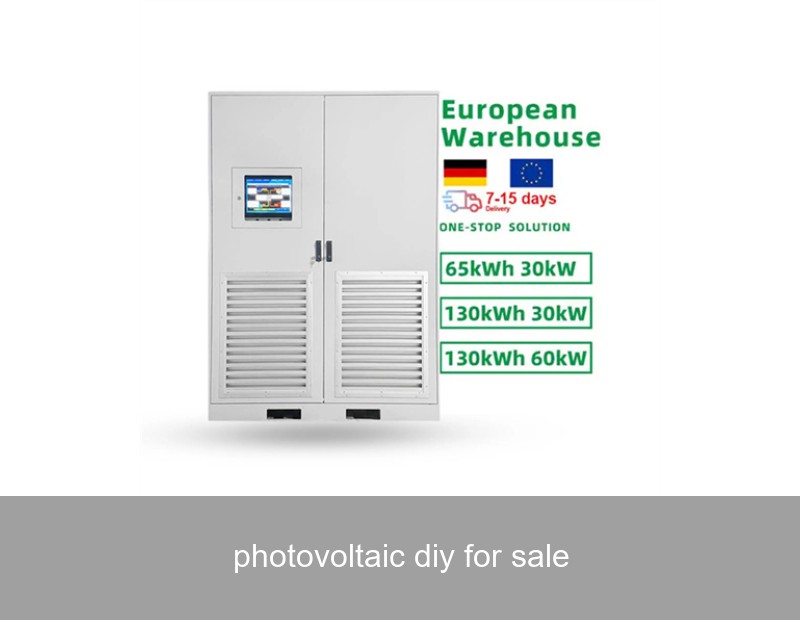
You've seen the ads: "Photovoltaic DIY for Sale - Slash Your Energy Bills!" The promise is incredibly tempting. Imagine taking control of your power, becoming energy independent, and all while saving a significant chunk of money by doing it yourself. The market for DIY solar kits is booming, especially in energy-conscious regions like Europe and the United States. But before you click "add to cart" on that enticing kit, let's pull back the curtain. Is a DIY photovoltaic system the smart shortcut it appears to be, or could it lead to unexpected complications, costs, and even safety hazards? As a specialist in renewable energy systems, I've seen both the triumphs and the tribulations. This article will guide you through the crucial considerations, separating empowering facts from potentially expensive fiction.
What Exactly Are You Buying? Breaking Down the "Photovoltaic DIY for Sale" Kit
The term "photovoltaic DIY for sale" typically refers to a bundled package of solar components designed for consumer self-installation. These kits are marketed to handy homeowners and businesses looking to bypass traditional installers. They usually contain the core hardware: solar panels, an inverter, mounting racks, and cabling. At first glance, it seems you have everything you need. However, what often comes in the box is just the beginning of the story. The critical elements—professional design, grid interconnection approval, local building permits, and long-term system performance optimization—are notably absent. It's like buying the ingredients for a gourmet meal without the recipe, the proper tools, or the chef's expertise. You have the potential for a great outcome, but the path is fraught with potential for error.
Key Components of a Typical DIY Solar Kit
Let's examine what you're likely to find inside. Understanding these parts is the first step in assessing the true scope of your project.
- Photovoltaic (PV) Panels: The most visible component, these capture sunlight and convert it to direct current (DC) electricity. Kit quality varies widely, from reputable Tier-1 brands to uncertified panels with questionable durability and output warranties.
- Inverter(s): The brain of the system. This device converts the DC electricity from the panels into usable alternating current (AC) for your home. Choosing between a central string inverter or microinverters is a technical decision with major implications for efficiency and future expansion.
- Mounting System: The skeleton that holds everything to your roof or ground. A flawed design or improper installation can lead to roof damage, leaks, or even structural failure in extreme weather.
- Balance of System (BoS): This includes cables, connectors, combiners, and safety disconnects. Using undersized cables or incompatible connectors is a common DIY mistake that creates fire risks and energy losses.
| Component | DIY Kit Consideration | Professional-Grade Consideration |
|---|---|---|
| System Design | Generic layout, may not optimize for your specific roof azimuth, shade, or local climate. | Custom engineering using software like Aurora or Helioscope, maximizing production for your unique site. |
| Permits & Interconnection | Often the homeowner's responsibility; a complex, time-consuming process with utility companies and local authorities. | Handled entirely by the provider, ensuring full compliance with National Electrical Code (NEC), UL standards, and utility requirements. |
| Long-Term Warranty | Multiple component warranties from different manufacturers; resolving issues can be a logistical nightmare. | Single-point accountability. A company like Highjoule provides a comprehensive performance and service warranty for the entire system. |
The Real Deal: Weighing the Benefits Against the Hidden Risks
The primary allure is clear: cost savings. By eliminating labor costs, you might see a lower upfront price tag. There's also the profound satisfaction of building something significant with your own hands. For remote, off-grid applications like a cabin or workshop, a small DIY kit can be a perfect, focused solution.
However, the risks are substantial and often underestimated:
- Safety First: Working with high-voltage DC electricity on a roof is dangerous. Improper installation is a leading cause of PV system fires. According to a NFPA report, electrical malfunctions are a key concern in solar-related fires.
- Performance Penalty: A poorly angled or shaded array can lose 20-30% of its potential energy yield. That "savings" evaporates over the system's 25+ year life.
- Regulatory Maze: Most utilities will not connect your system to the grid without proof of permitting and a sign-off from a licensed electrician. Navigating this process alone can lead to costly delays or rejection.
- Voided Warranties & Insurance: An unpermitted or incorrectly installed system can void both your equipment warranties and your homeowner's insurance policy in the event of damage.

Image: Professional installation ensures correct wiring and safety. Source: Unsplash
A Smarter Alternative: Highjoule's Integrated, "Done-For-You" Solution
At Highjoule, we understand the desire for energy independence and smart savings. That's why we've redefined the customer experience. We don't just sell components; we deliver a guaranteed energy outcome. For homeowners and businesses seeking a reliable, high-performance system without the DIY risks, our approach is fundamentally different.
Our process begins with a sophisticated AI-powered energy assessment, analyzing your historical consumption, roof geometry, and local weather patterns to design a system that maximizes your financial return. We then provide a complete, integrated solution featuring our high-efficiency bifacial panels and our intelligent H-PowerCube battery storage system. This isn't just a battery; it's an energy management hub that seamlessly stores excess solar energy, provides backup power during outages, and can even help you participate in utility demand-response programs.
Critically, the Highjoule team manages the entire project from start to finish: permitting, professional installation by certified technicians, grid interconnection, and ongoing monitoring via our customer portal. You get the peace of mind of a single 25-year warranty and the confidence that your system is safe, compliant, and optimized from day one.
Case Study: A Cautionary Tale from Sacramento, California
Consider the experience of "Mike R." (name changed for privacy), a skilled DIY enthusiast in Sacramento. In 2021, he purchased an online 8kW "photovoltaic DIY for sale" kit, hoping to save $8,000 on installation. He successfully mounted the panels but struggled with the electrical wiring and interconnection application. After failing the city's electrical inspection twice for code violations, he had to hire a licensed electrician to redo the work. The utility required revised, stamped engineering drawings, adding more cost and delay.
The result? The project took 7 months instead of 6 weeks. His final out-of-pocket cost was only 12% less than a professional quote he'd initially received, not the 40% he projected. Furthermore, due to a suboptimal string configuration he chose, his system's annual production is 15% below the estimated potential of a professionally designed system—a loss of roughly $450 in annual energy savings. Over 25 years, that performance gap represents over $11,000 in lost value, completely negating his initial "savings."
Making the Right Choice for Your Energy Future
The journey to solar energy is an investment in your financial and environmental future. The question isn't just about the initial price tag of hardware; it's about the total cost of ownership, safety, reliability, and the long-term energy yield of your system.
For a small, off-grid project where you are fully responsible and the stakes are lower, a DIY kit can be a rewarding challenge. But for your primary residence or business—a system tied to the grid, your finances, and your safety—the expertise, integrated technology, and full-service guarantee of a provider like Highjoule offer a fundamentally different value proposition. It's the difference between buying a box of parts and investing in a guaranteed stream of clean, affordable, and resilient power for decades to come.
 Inquiry
 Online Chat