


Pinnacle Energy Solutions LLC and the Quest for a Truly Sustainable Grid
Let's be honest. The conversation around renewable energy has shifted. It's no longer a question of *if* we should transition to solar and wind, but *how* we can make this transition reliable, affordable, and truly sustainable. Forward-thinking integrators and providers, like Pinnacle Energy Solutions LLC, are at the forefront of this challenge, moving beyond simple installation to deliver comprehensive energy resilience. The core issue they—and we as a society—face is no longer generation, but integration. You see, the sun doesn't always shine, and the wind doesn't always blow. This creates a fundamental mismatch between when we produce clean energy and when we need to consume it. So, what bridges this gap? The answer, increasingly, lies in advanced energy storage systems.
The Energy Shift: Why Pinnacle Energy Solutions LLC and Others Are Leading the Charge
The energy landscape is undergoing its most profound transformation since the advent of the electrical grid. Driven by climate goals, energy security concerns, and rapidly falling technology costs, renewables are claiming a larger share of our power mix every year. But this success story introduces a new set of complexities. Think of the grid as a vast, constantly balancing scale. Traditional power plants (coal, gas) provide a steady, dispatchable weight on one side. Intermittent renewables, like a suddenly added or removed weight, can cause that scale to wobble. This is where the role of companies evolves from mere providers to essential grid partners. Whether it's a commercial entity like Pinnacle Energy Solutions LLC designing systems for a local factory or a global technology leader, the mission is the same: to stabilize the scale.
The Data Dilemma: Intermittency, Costs, and Grid Stability
The challenge is backed by hard data. In markets like California or parts of Europe with high solar penetration, the "duck curve" phenomenon is a well-documented issue. Net load (the demand remaining after subtracting renewable generation) plunges during sunny afternoons and then ramps up steeply as the sun sets and people return home. This drastic ramp requires fast-responding, often fossil-fueled "peaker" plants, which are expensive and carbon-intensive.
- Intermittency: A solar farm may produce at 100% capacity at noon and 0% at 8 PM, while demand peaks in the evening.
- Economic Impact: According to the U.S. Department of Energy's Solar Futures Study, achieving high levels of solar deployment will require significant amounts of storage to ensure grid reliability and reduce overall system costs.
- Grid Stress: Extreme weather events, from heatwaves in Europe to winter storms in Texas, have exposed the vulnerability of traditional grid infrastructure.
This data paints a clear picture: without a means to capture and time-shift energy, the full potential of renewables remains untapped, and grid resilience is compromised.

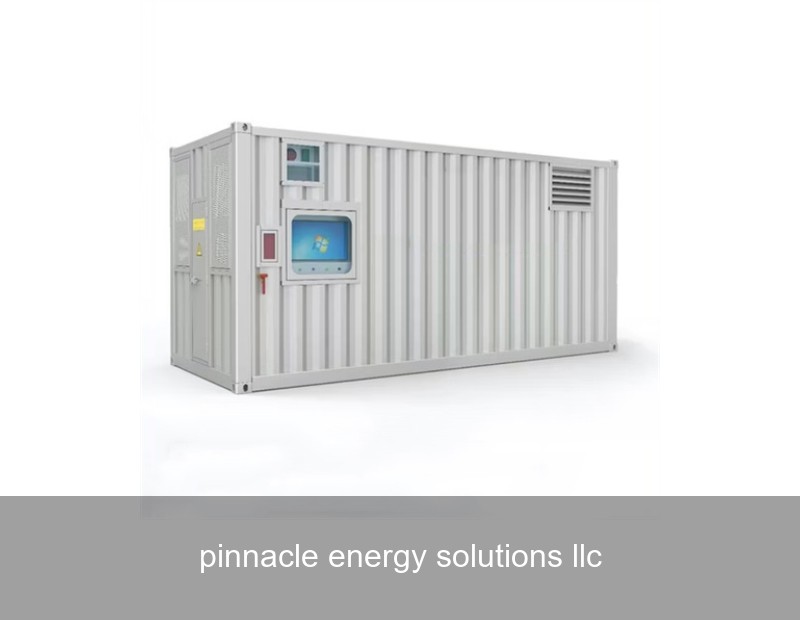
Image: A modern Battery Energy Storage System (BESS) unit, a key component for grid stability. (Source: Unsplash)
The Storage Solution: More Than Just a Battery
This is where advanced energy storage systems (ESS) come in as the indispensable enabler. Think of them as the "buffer" or "shock absorber" for the modern grid. They don't just store energy; they provide a suite of grid services that are critical for the 21st century. For a commercial or industrial facility, partnering with an expert integrator means accessing this technology to achieve specific business goals: slashing energy bills, providing backup power, and even generating revenue.
At Highjoule, with nearly two decades of experience since 2005, we've moved beyond viewing storage as a commodity. Our IntelliBESS platform is a prime example. It's an integrated hardware and software solution that doesn't just store DC energy—it intelligently manages it. The system's core includes our proprietary battery management system (BMS) and a sophisticated energy management system (EMS) that makes real-time decisions based on electricity rates, weather forecasts, and on-site consumption patterns.
- For Commercial & Industrial (C&I) Clients: Our systems perform peak shaving, automatically discharging during expensive peak rate periods to dramatically reduce demand charges.
- For Utilities & Microgrids: Highjoule systems provide frequency regulation and voltage support, helping to balance the wider grid and integrate more renewables.
- For Residential Communities: Our scalable solutions allow for community-level resilience, sharing stored solar energy among homes.
Case Study: A California Brewery's Pinnacle Energy Solution
Let's make this concrete with a real-world example that mirrors the work of top-tier integrators. A mid-sized craft brewery in San Diego, California, was facing crippling demand charges and wanted to leverage its large rooftop solar array more effectively. Their energy partner designed a solution centered on a 500 kWh / 250 kW battery storage system integrated with their existing solar PV.
| Metric | Before Storage | After Storage Implementation |
|---|---|---|
| Monthly Demand Charge Reduction | Baseline | 68% |
| Solar Self-Consumption | ~40% (excess exported to grid at low rate) | Over 85% |
| Backup Power for Critical Loads | None (grid-dependent) | Up to 10 hours for refrigeration & controls |
| Estimated Payback Period | N/A | Under 5 years |
The system was programmed to charge from excess solar during the day and discharge during the brewery's operational peak (late afternoon/evening), precisely when grid electricity was most expensive. Furthermore, it provides critical backup for refrigeration, preventing spoilage during California's increasingly common public safety power shutoffs. This case exemplifies the multi-faceted value proposition of a well-engineered storage solution: direct savings, increased sustainability, and operational resilience.

Image: Technical commissioning of a large-scale battery storage installation. (Source: Unsplash)
Beyond the Basics: The Highjoule Approach to Intelligent Storage
What separates a basic battery installation from a pinnacle energy solution? It's intelligence, longevity, and safety. At Highjoule, we engineer these principles into every system. Our IntelliBESS platform uses lithium iron phosphate (LFP) chemistry, known for its superior thermal stability, long cycle life, and avoidance of critical materials like cobalt. But the hardware is just the foundation.
Our cloud-based EMS is the brain. It can participate in demand response programs automatically, optimize for time-of-use rates that are becoming standard across the U.S. and Europe, and even perform predictive maintenance by analyzing performance data. This level of smart integration ensures our clients don't just buy a battery; they invest in a dynamic energy asset that evolves with market rules and their own needs. For a partner like Pinnacle Energy Solutions LLC, this means delivering a future-proofed, high-performance asset to their clients, backed by global support and deep technical expertise.
Key Components of a High-Performance ESS
- Advanced Battery Chemistry (LFP): For safety and lifespan.
- Precision Battery Management System (BMS): Monitors every cell for health and balance.
- Intelligent Energy Management System (EMS): The software brain for economic and grid optimization.
- Grid-Forming Inverters: In advanced systems, these allow the storage to "island" and restart the grid if needed—a key feature for true microgrids.
The Future is a Flexible Grid: Are You Ready?
The trajectory is clear. As noted by the International Energy Agency (IEA), grid-scale storage is set for explosive growth, needing to expand significantly to meet net-zero targets. The future grid will be a decentralized, digital, and flexible network. In this future, every commercial building, industrial plant, and campus can become a proactive node in the energy system—generating, storing, and managing its own power while supporting community-wide resilience.
This isn't just a technological shift; it's a strategic business and community imperative. Whether you're a facility manager tired of volatile energy bills, a developer building the sustainable communities of tomorrow, or an energy professional specifying systems, the question is no longer *whether* to consider storage, but *how to select the right partner* to implement it effectively.
What specific energy challenge—be it cost, reliability, or sustainability goals—is your organization looking to solve in the next 18 months, and how could a smart, integrated storage solution form the cornerstone of that plan?
 Inquiry
 Online Chat