


PLTS Terbesar di Indonesia: A Blueprint for Global Renewable Energy Success
When we talk about the world's most ambitious renewable energy projects, the conversation inevitably turns to Southeast Asia, and specifically to Indonesia's remarkable push for solar power. The development of the "PLTS terbesar di Indonesia" – the largest solar power plants in Indonesia – is more than a national achievement. It's a case study with profound lessons for Europe and the United States on integrating vast amounts of variable renewable energy into diverse grids. The challenges of scale, grid stability, and consistent power delivery faced in Indonesia mirror those in global markets, highlighting the universal need for one critical component: advanced energy storage systems.
Table of Contents
- The Scale of Ambition: Indonesia's Solar Surge
- The Inevitable Challenge: Intermittency and Grid Stability
- The Critical Solution: Beyond Generation to Intelligent Storage
- Case Study: Lessons from Cirata Floating PV
- A Global Blueprint for Europe and the U.S.
- Highjoule's Role in Enabling the Storage-Centric Grid
The Scale of Ambition: Indonesia's Solar Surge
Indonesia, with its abundant sunshine and ambitious net-zero goals, has moved decisively into utility-scale solar. Projects like the Cirata Floating Solar PV plant (the largest in Southeast Asia) and expansive plans for solar parks in sun-drenched regions are redefining the country's energy mix. The term "PLTS terbesar di Indonesia" symbolizes a pivotal shift from fossil-fuel dependency towards a cleaner, more sustainable future. This transition isn't just about installing panels; it's about fundamentally re-engineering how a nation produces, manages, and consumes electricity.
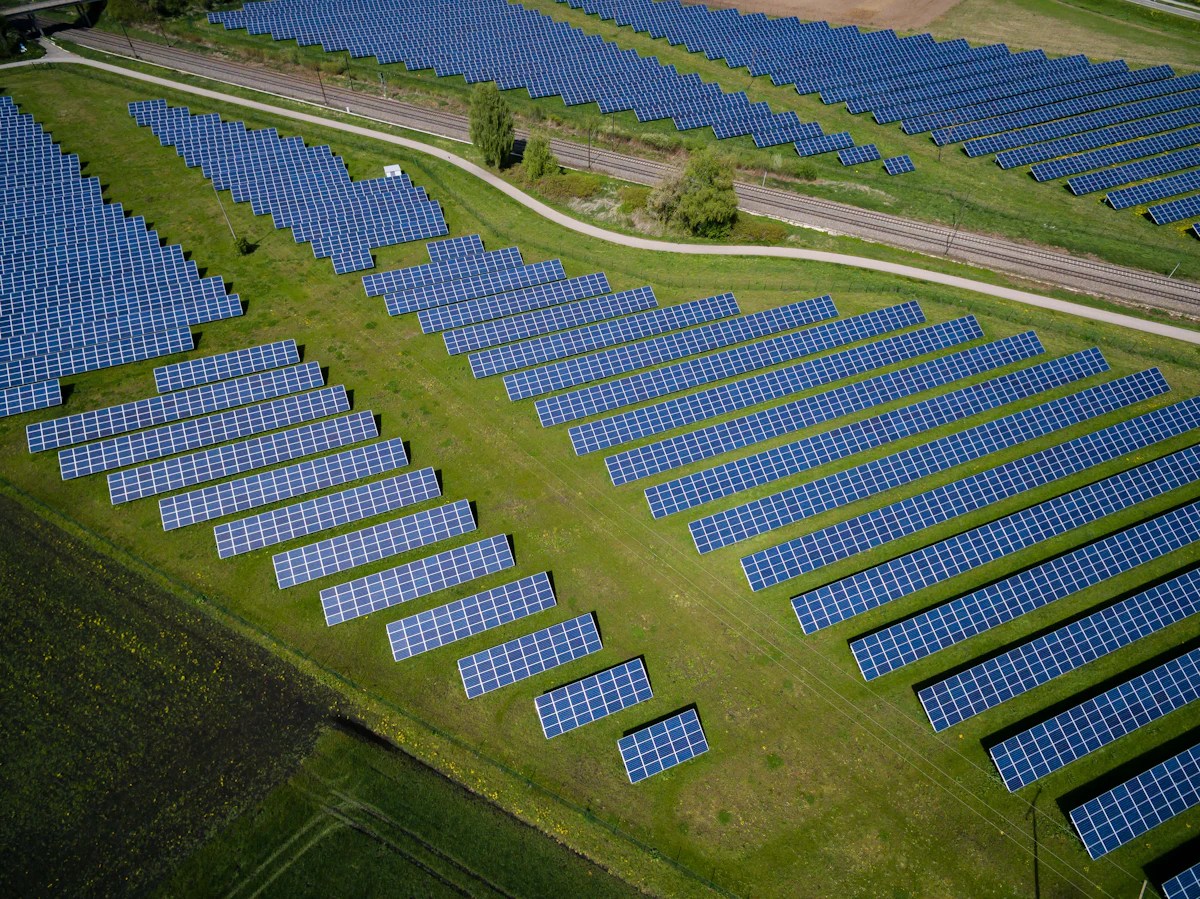
Image Source: Unsplash - Representative image of a utility-scale solar farm.
The Inevitable Challenge: Intermittency and Grid Stability
Here's the universal truth every grid operator from Java to Texas learns: the sun doesn't always shine. Solar power's intermittency creates a "duck curve" – a steep dip in net demand during peak solar hours, followed by a rapid ramp-up as the sun sets and demand remains. For a grid integrating a PLTS terbesar di Indonesia-scale project, this curve isn't a mild challenge; it's a fundamental threat to stability. Without a solution, it leads to:
- Grid Congestion and Curtailment: Excess solar energy produced at midday must be wasted ("curtailed") because the grid cannot absorb it.
- Reliability Issues: The sudden drop-off at dusk can cause voltage fluctuations and even blackouts if not managed.
- Economic Inefficiency: The value of solar energy plummets if it cannot be delivered when demand is highest.
This phenomenon is not unique to Indonesia. According to the International Energy Agency (IEA), the global need for grid-scale storage is set to multiply exponentially to manage renewable integration.
The Critical Solution: Beyond Generation to Intelligent Storage
The lesson from Indonesia's solar journey is clear: building mega-plants is only half the equation. The other, more crucial half is deploying advanced Battery Energy Storage Systems (BESS). Think of BESS as a high-capacity "energy bank." It stores the surplus solar electricity generated during the day and dispatches it precisely when the grid needs it most—during evening peaks, cloudy periods, or at night. This transforms solar from an intermittent source into a dispatchable, reliable, and firm power resource.
| Grid Challenge | Without BESS | With Advanced BESS |
|---|---|---|
| Midday Solar Surplus | Energy Curtailed (Wasted) | Energy Stored for Later Use |
| Evening Demand Ramp | Reliance on Fossil Fuel Peaker Plants | Discharge of Stored Solar Energy |
| Grid Frequency Stability | Vulnerable to Solar Output Dips | Instantaneous Frequency Regulation Provided |
| Overall System Cost | High (due to curtailment & peaker plants) | Optimized (maximized asset utilization) |
Case Study: Lessons from Cirata Floating PV
The 192 MWac Cirata floating solar plant in West Java is a landmark achievement. However, its full potential and grid impact are intrinsically tied to future storage deployment. While the plant itself is a generation marvel, industry analysis points to the surrounding region's need for storage to absorb its output fully. This scenario is a direct parallel to challenges in California or Germany, where renewable over-generation is a growing concern.
The Data Insight: A study by the National Renewable Energy Laboratory (NREL) on hybrid power plants shows that coupling a solar farm with storage can increase its capacity factor (the ratio of actual output to maximum possible output) by 20-50%, depending on configuration. For a project of Cirata's size, that's the equivalent of adding dozens of megawatts of effective, on-demand capacity without installing a single additional panel. This is the blueprint for the next phase of Indonesia's solar strategy and a model for global projects.
A Global Blueprint for Europe and the U.S.
The story of PLTS terbesar di Indonesia is a precursor to challenges and opportunities in Western markets. Europe's aggressive REPowerEU plan and the U.S.'s Inflation Reduction Act are driving unprecedented solar and wind deployment. The same principles apply:
- For Commercial & Industrial (C&I) Sites: Large factories or data centers can mimic this model by pairing on-site solar with storage to reduce demand charges, ensure backup power, and meet sustainability targets.
- For Utility-Scale Projects: The next generation of solar farms in Texas or Spain will be "hybrid" by default, integrating storage to provide firm, contractable power.
- For Residential Microgrids: Communities can build resilience by combining rooftop solar with home battery systems, creating self-sufficient energy networks.

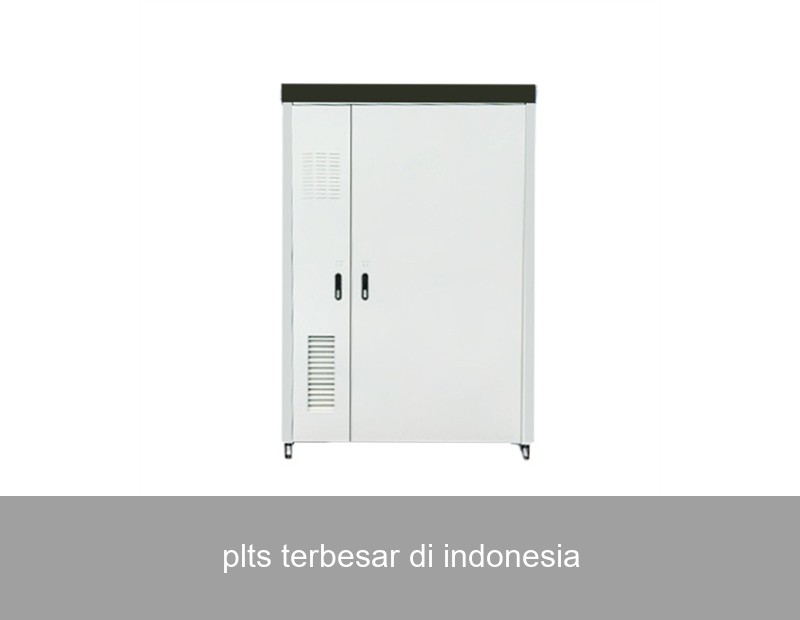
Image Source: Unsplash - Representative image of a containerized battery storage system.
Highjoule's Role in Enabling the Storage-Centric Grid
At Highjoule, we see the global trend exemplified by Indonesia's solar ambition not as a distant news item, but as the core of our mission. Since 2005, we have been at the forefront of developing advanced, intelligent BESS solutions tailored for precisely these scenarios. Our systems are engineered to be the perfect partner to mega-scale solar, turning variable generation into a stable, grid-friendly asset.
For utility-scale applications like those needed to support a PLTS terbesar di Indonesia, our GridMax™ BESS platform offers:
- Ultra-High Energy Density: Maximizing storage capacity within a minimal footprint.
- Advanced Grid-Forming Inverters: Providing critical stability services, allowing the grid to host more renewables safely.
- AI-Powered Energy Management Software (EMS): Intelligently deciding when to charge, when to discharge, and what grid services to provide for optimal economic and operational outcomes.
For commercial and industrial partners, our PowerStack™ solutions deliver the same intelligence at a scale that reduces energy costs, enhances sustainability profiles, and builds operational resilience against grid volatility. Whether it's supporting a national grid's transition or empowering a factory to achieve energy independence, Highjoule provides the technological backbone for a sustainable, storage-powered future.
Looking Ahead: The Integrated Energy Ecosystem
The journey from a massive solar plant to a stable, decarbonized grid is completed by storage. Indonesia's pursuit of PLTS terbesar di Indonesia highlights a path that Europe and the U.S. are also traveling. The question is no longer if storage is needed, but how quickly and intelligently it can be deployed.
Is your organization ready to maximize the value of your renewable investments and build a resilient, cost-effective energy infrastructure? What would a hybrid solar-plus-storage project mean for your energy strategy?
 Inquiry
 Online Chat