


Portable Solar Power Generator NZ: Your Ultimate Guide to Clean, Off-Grid Energy
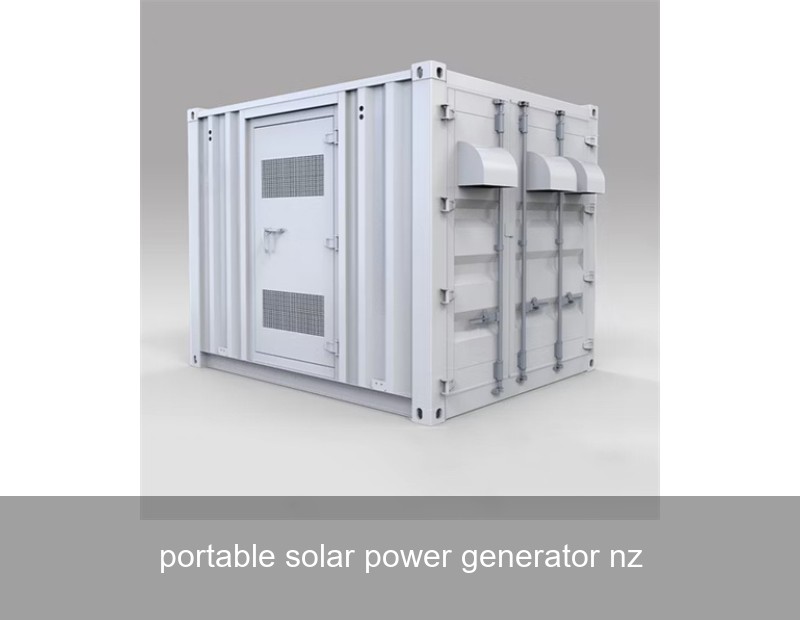
Imagine this: you're deep in the stunning Fiordland National Park, surrounded by breathtaking landscapes, and your camera battery is flashing red. Or perhaps a storm has just knocked out power to your coastal bach. In New Zealand, a land defined by its rugged beauty and remote adventures, reliable power isn't just a convenience—it's a necessity for safety, communication, and enjoyment. This is where the modern portable solar power generator NZ enthusiasts are embracing comes into play. Far from the noisy, fume-spewing petrol generators of the past, today's solutions are silent, clean, and powered by the abundant Kiwi sun. But with so many options, how do you choose the right one? Let's explore the technology, the data, and the real-world applications that are powering a more sustainable and independent New Zealand.
What is a Modern Portable Solar Power Generator?
Gone are the days when "generator" meant only a fuel-burning engine. A contemporary portable solar power generator is an integrated, all-in-one energy system. At its heart is a high-capacity lithium battery (like LiFePO4 for superior safety and longevity), a pure sine wave inverter that provides clean power safe for sensitive electronics, a solar charge controller, and multiple ports (AC, DC, USB-C). These units are charged primarily via foldable or portable solar panels, turning sunlight into storable electricity. They are silent, emission-free, and require virtually no maintenance—a perfect match for the environmentally conscious NZ outdoor culture.

Image Source: Unsplash - Representative image of portable solar in a New Zealand-like setting.
Why NZ is the Perfect Landscape for Portable Solar
New Zealand's unique conditions make it an ideal candidate for solar adoption, even at the portable level. Let's look at the data:
- High Solar Insolation: Many regions, especially the top of the South Island and the central North Island, enjoy over 2,000 hours of sunshine annually. (NIWA Sunshine Data) provides detailed insights into solar resources across the country.
- Remote Locations & Off-Grid Lifestyle: From baches and farms to hiking trails, access to the main grid isn't always possible or reliable.
- Strong Environmental Ethos: Kiwis have a deep connection to their natural environment, driving demand for clean energy solutions that reduce carbon footprints and noise pollution.
Key Components: More Than Just a "Generator"
Understanding the specs is key to a good purchase. Here’s a breakdown:
| Component | What It Does | What to Look For in NZ |
|---|---|---|
| Battery (Capacity & Chemistry) | Stores the electrical energy. Measured in Watt-hours (Wh). | Prioritize Lithium Iron Phosphate (LiFePO4) batteries. They are safer, last 5-10x longer (3,000+ cycles), and perform better in varied temperatures than standard NMC lithium-ion. |
| Inverter (Power & Waveform) | Converts battery DC power to AC power for appliances. | A pure sine wave inverter is non-negotiable for running laptops, medical devices, and kitchen appliances smoothly. Power rating (in Watts) should exceed your largest appliance's startup surge. |
| Solar Charge Controller & Input | Manages the power flow from solar panels to the battery. | Maximum Solar Input (in Watts) dictates how fast you can recharge. A higher wattage allowance is better for NZ's sunny but sometimes short winter days. |
Real-World Case Study: Powering a Remote Marlborough Sounds Retreat
Phenomenon: A family-owned water-access-only bach in the Marlborough Sounds faced unreliable power from a small, aging hydro system. They needed a backup and supplemental system for lighting, refrigeration, water pumps, and communication devices, especially during dry spells or maintenance periods.
Data & Solution: An energy audit revealed a daily need of approximately 1.5 kWh. The solution was a modular portable power system centered on a robust 2kWh LiFePO4 power station with a 2,000W pure sine wave inverter, paired with 600W of portable solar panels that could be deployed on the deck and lawn.
Outcome: This system now provides 100% of their power for 4-5 days without sun and can be fully recharged in 5-6 hours of good summer sunlight. It seamlessly kicks in when the hydro system falters, ensuring constant power for the fridge and critical systems. The family has reported zero generator noise, zero diesel costs, and complete peace of mind, enhancing their remote living experience.
Choosing the Right System for Your NZ Lifestyle
Your needs will vary dramatically. Ask yourself:
- The Weekend Camper/Vanlifer: A 300-500Wh unit can easily charge phones, cameras, and a small fridge.
- The Bach Owner or Serious Explorer: A 1,500-3,000Wh system with 400W+ of solar is needed for power tools, appliances, or longer off-grid stays.
- Emergency Preparedness (e.g., for Wellington storms or Canterbury flooding): Every household should consider a 1kWh+ unit as a lifeline for communications, lighting, and medical devices during grid outages.

Image Source: Unsplash - Conceptual diagram of energy flow in a solar generator system.
Highjoule's Expertise in Scalable Solar & Storage Solutions
While portable units are fantastic for mobility and specific use cases, they are part of a broader energy ecosystem. This is where Highjoule, with nearly two decades of experience as a global leader in advanced energy storage systems, provides crucial expertise. We understand energy fundamentals—from the battery chemistry in a small portable unit to the complex management of a grid-scale storage array.
For New Zealanders looking to scale up—whether it's for a larger off-grid home, a commercial operation like a vineyard or eco-tourism lodge, or a community microgrid—Highjoule's intelligent, integrated solutions are the next logical step. Our commercial and industrial battery energy storage systems (BESS) are built with the same core principles of safety, efficiency, and intelligence, but are designed for significantly higher capacity and grid interaction. We help businesses and communities reduce reliance on unstable grids, lower energy costs, and maximize the use of renewable sources, be it rooftop solar or small-scale hydro.
Think of your portable solar generator as your personal energy independence module. Highjoule's systems provide that same independence, but at the scale of your entire home or business, managed by smart software that optimizes every kilowatt-hour. (Energy Efficiency & Conservation Authority - EECA) offers great resources on larger-scale renewable investments in NZ.
The Future of Portable Power in NZ
Technology is advancing rapidly. We're seeing faster solar charging (some units now accept 1000W+ solar input), integration with electric vehicle charging, and even smarter battery management systems that can communicate with home networks. The line between a "portable power station" and a whole-home backup system is blurring, offering Kiwis unprecedented control over their energy.
So, as you consider harnessing the power of the New Zealand sun for your next adventure or to secure your home, what will be the first device you power with your own portable solar energy system?
 Inquiry
 Online Chat