


Powering Progress: Why Portable Power Stations Are a Game-Changer for Kenya
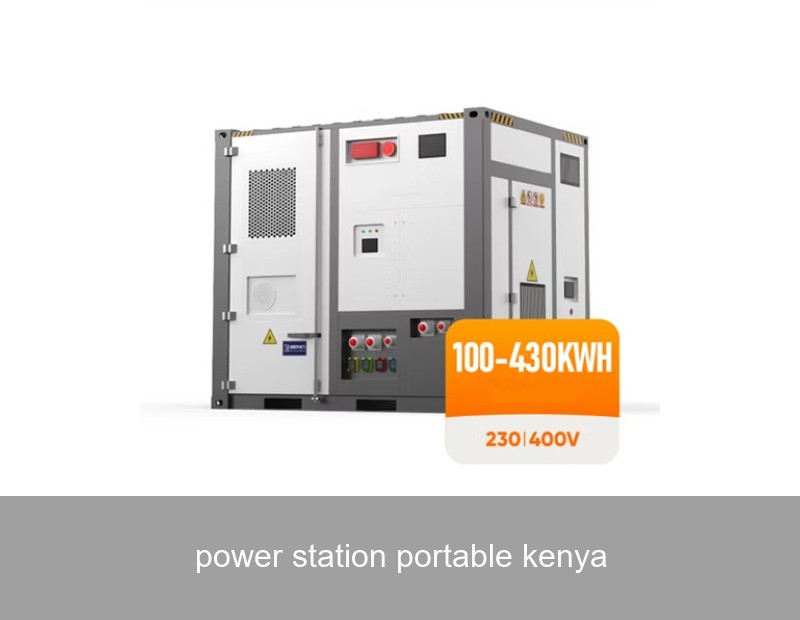
Imagine running a small business, powering a medical clinic, or simply keeping the lights on during an evening study session, all while the main grid is unreliable or completely absent. This is the daily reality for millions in Kenya, a nation of incredible dynamism and entrepreneurial spirit. Here, the quest for reliable electricity is not just about convenience; it's about economic survival, educational opportunity, and healthcare access. In this landscape, the portable power station has emerged not as a niche gadget, but as a critical tool for empowerment. This article explores how these versatile energy solutions are transforming lives and businesses across Kenya, and what to look for when choosing a system that truly meets the demands of East Africa's unique environment.
Table of Contents
- The Kenyan Context: A Nation Between Grid and Sun
- What is a Modern Portable Power Station?
- The Data: Kenya's Energy Gap and Renewable Potential
- Case Study: Agri-Business Resilience in Nakuru
- Choosing the Right System for Kenyan Conditions
- The Highjoule Approach: Smart, Durable Power for Demanding Markets
- The Future is Portable and Empowered
The Kenyan Context: A Nation Between Grid and Sun
Kenya presents a fascinating energy paradox. It is a leader in East Africa for grid connectivity and a global pioneer in geothermal and wind power. Yet, according to the World Bank, as of 2021, only about 75% of the population had access to electricity. The gap is even wider in rural areas, where businesses and households may experience frequent outages or have no grid connection at all. This instability stifles growth. A salon can't run hair dryers, a tailor can't power industrial sewing machines, and a farmer can't refrigerate produce consistently. This is the "phenomenon" – a vibrant economy partially held back by an intermittent power supply. Simultaneously, Kenya is blessed with phenomenal solar irradiance, making solar-charged solutions exceptionally effective.

Image Source: Unsplash (Photographer: British Library)
What is a Modern Portable Power Station?
Let's clear a common confusion. A modern portable power station for Kenya is not a noisy, fume-spewing gasoline generator. It's a silent, all-in-one battery system with multiple outlets (AC, DC, USB), designed to store energy—typically from solar panels—and release it on demand. Think of it as a giant, sophisticated power bank for your entire business or home essentials. Key components include:
- High-Capacity Lithium Battery: The heart of the system, with capacity measured in Watt-hours (Wh).
- Pure Sine Wave Inverter: Provides clean, stable AC power safe for sensitive electronics like laptops and medical equipment.
- MPPT Solar Charge Controller: Efficiently converts solar panel energy to charge the battery.
- Multiple Ports: To run everything from lights and phones to power tools and small refrigerators.
The Data: Kenya's Energy Gap and Renewable Potential
The numbers paint a clear picture of both need and opportunity. While national access is rising, the quality and reliability of supply remain challenges. A 2023 report by the International Energy Agency (IEA) highlights Kenya's remarkable renewable energy generation but also notes the ongoing need for decentralized solutions to achieve universal, reliable access. Furthermore, the cost of grid extension in remote areas is high. This is where decentralized solar-plus-storage systems become not just an alternative, but the most economically viable solution. For a mobile money agent, a portable power station ensuring continuous operation can mean securing hundreds of transactions per day that would otherwise be lost.
Key Considerations for the Kenyan Market
| Challenge | Power Station Requirement | Impact |
|---|---|---|
| Dust & Heat | Robust thermal management & dust-resistant design | Longer lifespan, consistent performance |
| High Solar Availability | High-efficiency MPPT for fast solar recharging | Reduced dependency on grid, lower operating cost |
| Powering Small Businesses | High-wattage AC output (≥1000W) & multiple ports | Can run tools, fridges, POS systems simultaneously |
| Mobility Needs | Truly portable design with sturdy handles | Use in field, market, or different business locations |
Case Study: Agri-Business Resilience in Nakuru County
Consider the story of "Green Valley Cool," a small-scale horticulture cooperative in Nakuru. They collect produce from 50 local farmers for washing, sorting, and pre-cooling before transport to Nairobi. Their single largest operational risk was the unreliable grid power, which frequently failed during the critical evening hours when the cooling units needed to run. Spoilage rates were high.
The Solution: In early 2023, they deployed a 3kWh portable power station system, paired with 800W of solar panels installed on their collection center's roof. The system was specifically chosen for its high surge power to start compressor motors and its ability to be charged via solar during the day while simultaneously powering sorting equipment.
The Data-Driven Outcome: Six months post-installation:
- Post-harvest spoilage reduced by an estimated 40%.
- Extended operational hours allowed for processing more farmers' produce.
- Monthly energy costs from the grid reduced by 60%.
- The system provided backup during grid outages for over 150 hours, with zero produce loss during those events.
This case illustrates the transformative impact: the portable power station moved from being a backup to an integral, profit-protecting part of their daily energy mix.

Image Source: Unsplash (Photographer: USAID Kenya)
Choosing the Right System for Kenyan Conditions
Not all power stations are built for the demanding Kenyan environment. Here’s a logical ladder to guide your selection:
- Assess Your Critical Loads: List the devices you must run (e.g., fridge, lights, sewing machine) and calculate their total wattage and required runtime.
- Prioritize Solar Input: Ensure the unit has a high-wattage solar input with MPPT technology for the fastest recharge under the Kenyan sun.
- Build Quality is Key: Look for units with robust battery management systems (BMS) that protect against heat, a major factor in battery degradation. IP-rated dust and water resistance is a significant advantage.
- Think Beyond the Unit: Consider the ecosystem—availability of compatible, high-quality solar panels and local service support.
The Highjoule Approach: Smart, Durable Power for Demanding Markets
At Highjoule, with nearly two decades of experience in advanced energy storage, we engineer our products for real-world reliability. Understanding markets like Kenya means building more than just a battery box. Our Venture Series of portable power stations is designed with precisely these challenges in mind.
For the Kenyan entrepreneur, farmer, or homeowner, features like our Adaptive Solar Charge technology maximize harvest from variable sunlight, and the Rugged Shield enclosure protects critical components from dust and humidity. We focus on providing clean, stable power that won't damage sensitive equipment—a crucial point for businesses running modern electronics. Furthermore, Highjoule supports a network of partners to ensure that expertise and service are accessible, making the technology a long-term investment, not just a product purchase. Our systems are scalable, allowing users to start with what they need and expand as their business grows.
Highjoule Venture Series: Specs for Impact
- Venture 1500: 1480Wh capacity, 2000W pure sine wave output (4000W surge), 0-80% solar charge in ~2 hours with optimal panels.
- Venture 3000: 3072Wh capacity, 3000W output, designed for small commercial applications with expandable battery options.
- Universal Compatibility: Works with standard solar panels, providing flexibility in sourcing.
- Smart App Monitoring: Track input, output, and battery health from your phone—enabling proactive energy management.
The Future is Portable and Empowered
The narrative around energy in Kenya is rapidly shifting from one of scarcity to one of smart, decentralized empowerment. Portable power stations, especially when paired with solar, are at the forefront of this shift. They represent a democratization of energy, putting control directly in the hands of users. For a nation with such immense human capital and renewable resources, this technology is a catalyst, unlocking potential in every sector.
As we see more innovations in battery density and solar efficiency, the question becomes not if decentralized power will become mainstream, but how quickly. What could your business, community clinic, or household achieve with 24/7 access to reliable, clean power that you control directly?
 Inquiry
 Online Chat