


Solar System for Electric Fence: The Ultimate Off-Grid Security Solution
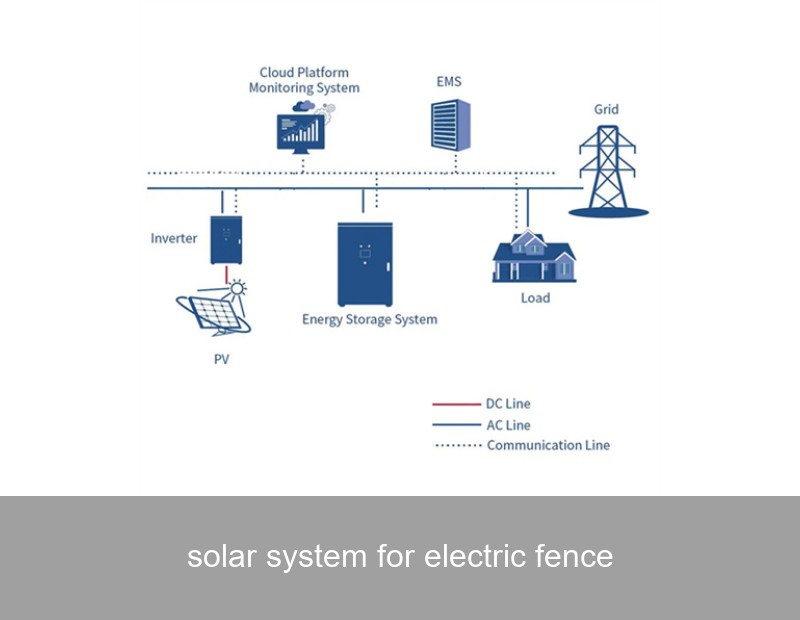
If you manage a ranch, a farm, a remote commercial site, or even a large residential property, you know the critical importance of reliable perimeter security. An electric fence is a proven deterrent, but what happens when your fence line is miles from the nearest power connection? Running traditional grid power can be prohibitively expensive, often costing tens of thousands of dollars. This is where a dedicated solar system for electric fence becomes not just an option, but the most intelligent and sustainable solution. By harnessing free energy from the sun, you can achieve complete energy independence for your security infrastructure, ensuring it remains operational 24/7, regardless of location or grid outages.
The Challenge: Powering Remote Security
The fundamental issue is simple: electric fence energizers need electricity to deliver their short, high-voltage pulses. In remote locations, the grid is often inaccessible. Traditional workarounds like disposable batteries are a logistical nightmare—requiring frequent, costly replacements and creating waste. A generator is noisy, requires fuel deliveries, and needs constant maintenance.
This creates a real security vulnerability. A power failure means a security failure. The data is clear: consistent power is the linchpin of effective perimeter control. A solar system for electric fence directly addresses this vulnerability by creating a self-sufficient power loop. The sun charges the system by day, and a battery provides steady power through the night and during periods of low sunlight, guaranteeing unwavering protection.

Image Source: Wikimedia Commons (Example of a solar-powered fence setup in an agricultural setting)
How a Solar-Powered Electric Fence System Works
Think of it as a miniature, specialized off-grid power plant dedicated solely to your fence. The system operates on a clean and automatic cycle:
- Energy Capture: A photovoltaic (PV) solar panel, mounted in a sunny location, converts sunlight into direct current (DC) electricity.
- Energy Regulation: A solar charge controller acts as the system's brain. It regulates the flow of electricity from the panel to the battery, preventing overcharging and optimizing battery health.
- Energy Storage: A deep-cycle battery (typically a sealed lead-acid or lithium-based battery) stores the energy generated during the day. This is your energy reservoir for nights and cloudy days.
- Energy Delivery: The fence energizer (or charger) draws power from the battery to create the high-voltage pulses that travel along the fence wire.
The beauty of this system is its simplicity and autonomy. Once installed, it requires minimal intervention, providing peace of mind and significantly lower operational costs compared to any fossil-fuel-dependent alternative.
Key Components of a Robust Solar Fence System
Not all solar setups are created equal. A reliable system for critical security needs careful component selection:
| Component | Role | What to Look For |
|---|---|---|
| Solar Panel | Primary energy generator | Monocrystalline panels for higher efficiency in varied light, with sufficient wattage (20W-100W+) to match your energizer's load and local sun hours. |
| Charge Controller | Protects the battery | A PWM (Pulse Width Modulation) or, better yet, an MPPT (Maximum Power Point Tracking) controller for up to 30% more efficiency in winter or low-light conditions. |
| Battery | Energy storage bank | Deep-cycle batteries designed for repeated discharge. Lithium Iron Phosphate (LiFePO4) batteries, like those used in advanced储能系统, offer longer lifespan, faster charging, and better performance in temperature extremes than traditional lead-acid. |
| Energizer | Fence pulse generator | Low-impedance energizers designed for solar/battery use. Match the joule output to your fence length and vegetation burden. |
Real-World Case Study: Security for a Remote Texas Ranch
Let's look at a concrete example from the American Southwest. The "Lone Star Heritage Ranch" in West Texas faced escalating costs and failures with a propane generator powering 5 miles of perimeter fencing protecting cattle and equipment. The generator needed weekly refueling (costing over $2,500 annually in fuel and service) and failed twice in one year during winter storms, leading to fence breaches.
The Solution & Data: In 2023, they installed a high-capacity solar system for electric fence. The setup included:
- A 120W monocrystalline solar panel.
- An MPPT charge controller.
- A 100Ah LiFePO4 deep-cycle battery.
- A 0.5-joule low-impedance solar energizer.
The Results (12-month period):
- Operational Cost Reduction: Annual power cost dropped from ~$2,500 to $0.
- Reliability: The fence maintained a consistent voltage reading (verified by remote monitor) through multiple 3-day storm periods with minimal sun.
- Maintenance: System checks reduced from weekly to quarterly. The battery's built-in Battery Management System (BMS) and the panel's lack of moving parts eliminated most routine work.
- ROI: The system paid for itself in under 18 months based on fuel and generator maintenance savings alone, not including the avoided loss from security breaches.
Beyond the Fence: The Highjoule Integrated Energy Solution
While a standalone solar fence kit is effective, modern properties often have broader energy needs. What about the lights for the barn, the sensors on the gate, or the communication equipment? This is where thinking about an integrated energy ecosystem pays dividends.
At Highjoule, with nearly two decades of expertise in advanced energy storage, we see the solar system for electric fence as a key node within a larger, intelligent microgrid. Our approach goes beyond a single-purpose kit. For instance, a property owner could install a larger Highjoule residential or commercial battery储能系统 (BESS), like our H-Joule Cube series. This system can be charged by a solar array and then dedicate a reliable circuit to power the fence energizer alongside other critical loads—security lighting, gate operators, and surveillance systems.
The advantages are compelling:
- Centralized Management: Monitor and control the power for your entire security suite from one intuitive app.
- Superior Battery Technology: Leveraging our commercial-grade LiFePO4 battery packs ensures a cycle life that far outlasts standard batteries, backed by sophisticated thermal and charge management.
- Scalability: Start with security power and easily expand to back up essential home or farm loads, creating true energy resilience.
- Professional Support: Our network of certified installers ensures your system is designed for your specific climate, load requirements, and security objectives.

Image Source: Unsplash (Example of a modern, wall-mounted home battery储能系统 unit)
Future Trends: Smarter, More Connected Solar Security
The future of solar-powered security is intelligent. We're already seeing the integration of IoT (Internet of Things) sensors that can report fence voltage, battery status, and even attempted breaches directly to a smartphone. The next step is integrating these systems with AI-driven monitoring platforms that can differentiate between a branch falling on the fence and a deliberate cut, dispatching alerts accordingly.
Furthermore, as battery technology continues to advance—driven by companies like Highjoule working on larger-scale commercial and微电网 applications—the energy reserve available for security systems will grow while footprints shrink. This means even longer operation through extreme weather events. For deeper insights into renewable trends, organizations like the International Renewable Energy Agency (IRENA) provide valuable global data.
Ready to Secure Your Perimeter with Unbreakable Solar Power?
Your security is only as reliable as the power behind it. Moving to a solar-powered fence system eliminates a critical point of failure, slashes ongoing costs, and aligns your operations with sustainable principles. But the real question is: when evaluating your property's total energy needs, could your security system be the first step toward a comprehensive, resilient energy independence strategy?
 Inquiry
 Online Chat