


The All-in-One Portable Solar Generator: Your Ultimate Guide to Off-Grid Power
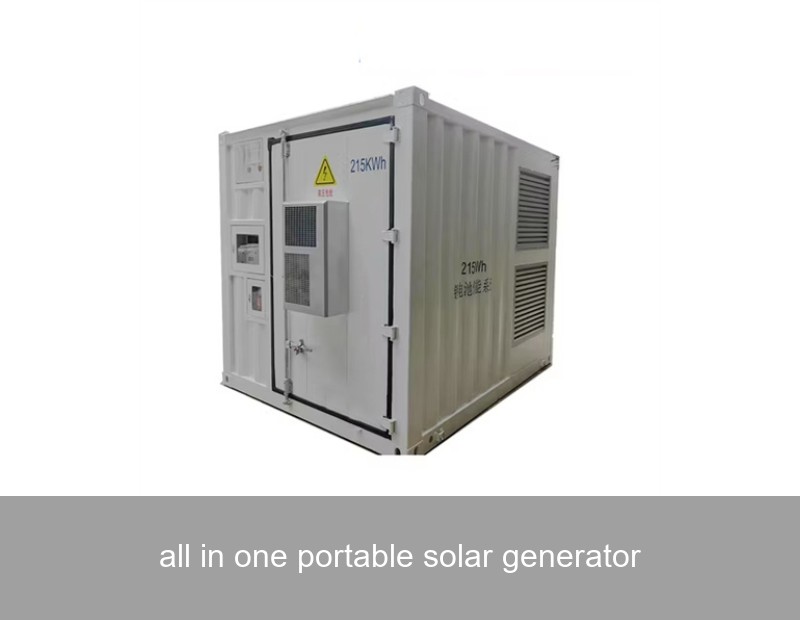
you're at a remote campsite, the sun is setting, and your phone battery is at 5%. Or perhaps a sudden storm has knocked out power to your neighborhood. In these moments, the promise of reliable, clean energy isn't just a luxury—it's a lifeline. This is where the modern all-in-one portable solar generator shines. No longer a bulky collection of separate components, today's solutions are sleek, integrated power stations that harness the sun to keep your essential devices running. For nearly two decades, Highjoule has been at the forefront of advanced energy storage, and we've seen this evolution firsthand. The demand for intelligent, user-friendly, and sustainable power is driving innovation, making portable solar energy more accessible than ever for adventurers, homeowners, and professionals alike.
What is an All-in-One Portable Solar Generator?
Let's demystify the term. An all-in-one portable solar generator is a compact, integrated system that combines three critical functions into a single, often wheeled or carry-handle unit: energy capture (via solar panels), energy storage (in a built-in battery), and power output (through various ports like AC outlets, USB, and DC). Unlike traditional gas generators, it operates silently, produces zero emissions, and requires only sunlight as its fuel. Think of it as a personal, renewable power plant you can take anywhere.
At Highjoule, our engineering philosophy centers on integration and intelligence. We design systems like our Highjoule Nomad Pro Series not just as boxes with batteries, but as connected energy hubs. They feature MPPT (Maximum Power Point Tracking) solar charge controllers for optimal efficiency, pure sine wave inverters to safely power sensitive electronics like laptops, and smart battery management systems that monitor cell health. This integrated approach ensures reliability, which is paramount when you're miles from the nearest grid connection.

Image Source: Unsplash - A modern portable solar generator setup in an outdoor environment.
Key Components and How They Work Together
Understanding the core components helps you appreciate the engineering behind these powerful units. Here’s a breakdown:
- High-Capacity Lithium Battery: The heart of the system. Lithium-ion or LiFePO4 (Lithium Iron Phosphate) batteries are preferred for their high energy density, long lifespan (often 3,000+ cycles), and safety. Highjoule utilizes Grade-A LiFePO4 cells in our portable units for exceptional stability and longevity.
- Pure Sine Wave Inverter: This converts the stored DC battery power into clean AC electricity, identical to what you get from a wall outlet. It’s crucial for running motors in appliances like mini-fridges or medical devices without risk of damage.
- MPPT Solar Charge Controller: This intelligent component maximizes the energy harvest from your solar panels, often providing up to 30% more efficiency compared to older PWM controllers, especially in cloudy or low-light conditions.
- Portable Solar Panels: Typically foldable or rollable, these are your fuel source. High-efficiency monocrystalline panels are the standard for portable use due to their superior performance in limited space.
- Smart Management System: An onboard computer that manages charging/discharging, protects against overloads, and provides real-time data on power usage and battery levels via a digital display or smartphone app.
| Component | Primary Function | Highjoule's Approach |
|---|---|---|
| Battery | Stores electrical energy | LiFePO4 chemistry for safety & 10+ year lifespan |
| Inverter | Converts DC to AC power | Pure sine wave output (≤3% THD) for device safety |
| Charge Controller | Regulates solar input | Advanced MPPT for fastest possible solar charging |
Why Choose Portable Solar Power? Key Benefits
The shift towards all-in-one portable solar generators isn't just a trend; it's a logical response to a changing world. Here’s why they are becoming a mainstream choice:
- True Energy Independence: Free yourself from the grid and fuel stations. With the sun as your source, you have a renewable and (after the initial investment) free power supply.
- Silent and Emission-Free Operation: Enjoy the peace of nature without the roar and fumes of a gas generator. This makes them perfect for camping, backyard events, and indoor backup power.
- Low Maintenance and Operational Cost: No oil changes, no spark plugs, no purchasing gasoline. Once set up, the system requires minimal intervention, saving you time and money in the long run.
- Versatility and Scalability: Power anything from smartphones and LED lights to CPAP machines, power tools, and even small refrigerators. Many systems, including Highjoule's, allow for expansion through additional battery packs or solar panels.
- Emergency Preparedness: In an age of increasing climate-related grid disruptions, having a reliable backup power source is a form of modern security. A charged portable solar generator can keep communications, lighting, and essential medical equipment running.
Case Study: Powering a Remote Ecological Research Station in Colorado, USA
Let's look at a real-world application. A team of researchers operating a seasonal field station in the Rocky Mountains needed a reliable power source for data loggers, communication equipment, LED lighting, and laptop computers. Their previous solution—a small propane generator—was loud, logistically challenging (fuel had to be packed in), and disrupted the local wildlife they were studying.
In 2023, they deployed two Highjoule Nomad Pro 2000 units paired with four 400W portable solar panels. Here are the results over a 90-day field season:
- Fuel Cost Savings: Eliminated the need for ~150 gallons of propane, saving over $600 and countless hours on supply runs.
- Energy Output: The systems reliably provided an average of 4.8 kWh per day, fully meeting the station's needs even during periods of partial cloud cover.
- Environmental Impact: Zero direct emissions during operation. The team reported a noticeable reduction in noise pollution, allowing for better acoustic monitoring of bird species.
- Reliability: The system required no maintenance interventions, and the smart monitoring allowed the team to optimize power usage via the companion app.
This case underscores how an all-in-one portable solar generator solves practical problems beyond just providing electricity—it enhances operational efficiency, reduces costs, and aligns with environmental stewardship goals.

Image Source: Unsplash - Renewable energy setups in remote areas.
Market Trends and the Shift to Energy Independence
The data speaks volumes. According to a report by the International Energy Agency (IEA), solar PV is set to dominate global capacity additions, with distributed "behind-the-meter" systems like portable and residential storage growing rapidly. In the U.S., the Department of Energy notes that the falling cost of solar technology and batteries is a primary driver. This isn't just about economics; it's a cultural shift. People in Europe and North America are increasingly seeking resilience and self-sufficiency, whether for outdoor recreation, remote work, or home backup. The all-in-one portable solar generator is the physical embodiment of this desire—a tool that puts personal energy control directly in the user's hands.
Choosing the Right All-in-One Portable Solar Generator
With many options on the market, how do you select the best unit for your needs? Ask yourself these key questions:
- What do you need to power? List the devices and their wattage. A laptop might be 60W, a mini-fridge 50W, a CPAP machine 30-60W. Add up the total running wattage and consider startup surges for motors.
- How long do you need power? This determines battery capacity (measured in Watt-hours, Wh). If your devices use 200W total and you need 5 hours of runtime, look for a unit with at least 1000Wh capacity.
- Where and how will you use it? Consider weight, portability features (handles, wheels), and durability. Will it be used in humid or cold conditions? Check the unit's operating temperature range.
- How fast do you need to recharge? Look at solar input limits. A unit that accepts 500W of solar will recharge much faster on a sunny day than one limited to 200W. Dual charging (solar + AC wall outlet) is a valuable feature.
Highjoule designs its products with these questions in mind. Our configurator tools and expert support team help customers from selection to setup, ensuring they get a system that matches their specific energy profile, whether for a weekend camping trip or as a critical component of a commercial microgrid solution.
The Future is Portable and Sustainable
The technology behind all-in-one portable solar generators continues to advance. We are seeing improvements in battery energy density (more power in less space), faster solar charging speeds, and enhanced connectivity for smart home and off-grid system integration. The line between portable power stations and whole-home backup is beginning to blur, with scalable systems that can start small and grow with your needs.
As we look ahead, one thing is clear: the ability to generate, store, and use clean power anywhere is transforming how we live, work, and explore. It empowers individuals, strengthens community resilience, and reduces our collective carbon footprint. The sun offers an abundant energy source; the challenge has always been capturing and using it effectively. With modern integrated technology, that challenge is being met head-on.
What will you power with your own slice of sunshine? Are you ready to map out your first step toward true energy independence?
 Inquiry
 Online Chat