


Unlocking Energy Independence: Your Guide to the Modern Solar Power Station (Tenaga Surya)
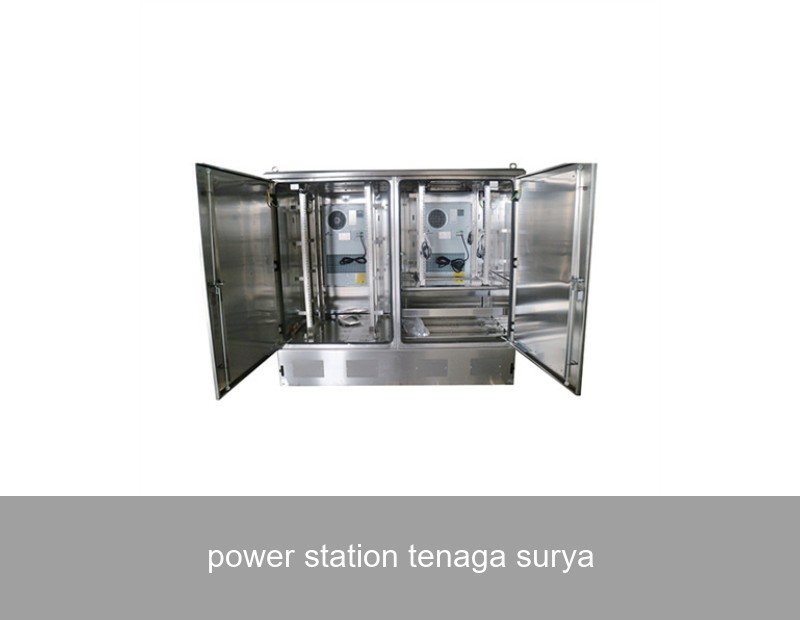
Imagine a power station that operates silently, emits no greenhouse gases, and its fuel is delivered freely to your doorstep every single day. This isn't science fiction; it's the reality of a modern solar power station, or pembangkit listrik tenaga surya. For homeowners and businesses across Europe and the US, the dream of energy independence is becoming increasingly tangible, moving from a niche environmental choice to a mainstream economic powerhouse. But what truly transforms a collection of solar panels into a resilient, reliable, and intelligent power station? The answer lies not just in capturing sunlight, but in storing and managing it with precision.
What is a Solar Power Station (Tenaga Surya)?
At its core, a solar power station is a decentralized energy system that converts sunlight into electricity for immediate use or for later consumption. While the photovoltaic (PV) panels are the most visible component, the true intelligence of a contemporary system lies in its integration. A fully-fledged solar power station typically includes:
- Solar Panels (PV Modules): Capture sunlight and generate direct current (DC) electricity.
- Inverter(s): The brain of the operation, converting DC electricity into the alternating current (AC) used by your home or business.
- Battery Energy Storage System (BESS): The game-changer. This component stores excess solar energy produced during the day for use at night, during peak rate periods, or during grid outages.
- Energy Management System (EMS): The nervous system, intelligently directing energy flow between panels, batteries, the grid, and your loads to optimize efficiency and cost.
This integrated approach is what elevates a simple solar installation into a personal tenaga surya power station, giving you control over your energy destiny.
The Solar Surge: Why Now?
The global shift towards solar isn't just driven by environmental consciousness; it's a compelling financial narrative. Grid electricity prices in Europe and many parts of the US have seen significant volatility and upward trends. Meanwhile, the cost of solar PV modules has plummeted by over 80% in the last decade (IRENA, 2023). This convergence creates a powerful economic incentive. Furthermore, policies like tax credits (e.g., the US Investment Tax Credit) and various European Union green deals are accelerating adoption. The phenomenon is clear: energy consumers are becoming "prosumers"—both producing and consuming their own power.
The Data: A Storage-Led Revolution
While solar panel adoption grows, the most significant trend is the parallel rise of battery storage. The US Energy Information Administration (EIA) notes that as of 2023, the share of new US utility-scale solar capacity paired with storage has increased dramatically, highlighting the critical role of batteries in providing firm, dispatchable solar power (EIA, 2023). This pairing is what ensures your solar power station provides value 24/7, not just when the sun shines.
Beyond the Panels: The Heart of a Modern Solar Power Station
Think of your solar panels as diligent workers harvesting raw materials (sunlight). The battery storage system is your warehouse, and the energy management system is your logistics manager. Without a smart, high-capacity warehouse and an efficient manager, much of that harvested material goes to waste.
This is where advanced Battery Energy Storage Systems (BESS) become non-negotiable. Modern systems, like those developed by Highjoule, utilize lithium iron phosphate (LiFePO4) chemistry, renowned for its safety, longevity (often over 6,000 cycles), and stable performance. Coupled with a sophisticated EMS, these systems can:
- Maximize Self-Consumption: Use more of your own solar energy, slashing electricity bills.
- Provide Backup Power: Keep essential loads running during grid failures—a feature becoming increasingly valuable.
- Enable Peak Shaving: Avoid drawing expensive grid power during high-demand "peak" hours.
- Support Grid Stability: In some markets, advanced systems can even participate in grid services.

Image: A modern residential solar-plus-storage installation, the core of a personal power station. Source: Unsplash
From Blueprint to Reality: A Case Study in Commercial Solar
Let's move from theory to practice with a concrete example. Consider a mid-sized dairy processing plant in Bavaria, Germany. Their challenge was twofold: high, fluctuating energy costs and a critical need for uninterrupted power for refrigeration.
| Challenge | Solution | Result |
|---|---|---|
| High grid tariffs, especially during daytime operations. | Installation of a 250 kW rooftop solar array coupled with a 500 kWh Highjoule Industrial BESS and intelligent EMS. | Reduced peak grid demand by over 70%, leveraging stored solar energy during high-tariff periods. |
| Risk of spoilage due to grid outages. | The BESS provides seamless backup power for critical refrigeration units for up to 8 hours. | Eliminated risk of product loss, ensuring business continuity. |
| Maximizing return on solar investment. | The EMS is programmed to prioritize self-consumption and strategic battery charging/discharging based on real-time electricity prices. | Achieved an overall energy cost reduction of 45% and a projected payback period of under 6 years. |
This case exemplifies how a tailored solar power station transcends simple electricity generation, becoming a strategic asset for operational resilience and financial performance.
Choosing the Right System for Your Needs
Not all solar power stations are created equal. Your ideal system depends on your primary goals:
- For the Homeowner (Residential): Focus is on bill savings, backup power for essentials (lights, fridge, internet), and increasing home value. A modular, scalable system like Highjoule's HomePower Stack series is ideal, allowing you to start with a base configuration and expand battery capacity as needs evolve.
- For the Business Owner (Commercial & Industrial): The driver is often operational cost reduction and risk mitigation. Systems need to be robust, high-power, and intelligently integrated with existing infrastructure. Highjoule's C&I Energy Hub solutions are engineered for this, offering scalable storage from 100 kWh to multi-MWh levels with advanced grid-interactive capabilities.
- For Off-Grid & Microgrids: Reliability is paramount. These systems require oversized solar generation, large-scale storage, and often a backup generator. The design focuses on 100% energy autonomy, a specialty area where integrated system engineering is critical.
How Highjoule Powers the Future of Solar Energy
Since 2005, Highjoule has been at the forefront of the energy storage revolution. We understand that a power station tenaga surya is more than hardware; it's a comprehensive energy solution. Our approach integrates our industry-leading battery technology with intelligent software to deliver systems that are not just powerful, but also smart and adaptable.
For our residential clients, the Highjoule HomePower Stack offers a sleek, modular design with built-in safety features and an intuitive app that puts energy management at your fingertips. For our commercial and industrial partners, our Energy Hub platform provides a robust, containerized or floor-mounted solution that seamlessly integrates with large-scale solar arrays, enabling complex strategies like peak shaving, demand charge management, and backup power.
Our global experience across Europe and the US means our systems are built to meet diverse grid codes, standards, and climatic conditions. We provide end-to-end support, from initial consultation and system design to commissioning and long-term monitoring, ensuring your solar power station delivers on its promise for decades.

Image: Advanced monitoring and control are key to maximizing a solar power station's performance. Source: Unsplash
Your Energy Independence Journey
The technology to build your own reliable, clean, and cost-effective solar power station is here and more accessible than ever. The transition from a passive energy consumer to an active prosumer is one of the most impactful decisions you can make for your finances and your environmental footprint. But it starts with the right questions. What is your biggest energy pain point—is it unpredictable bills, the fear of outages, or a commitment to sustainability? And how would transforming that challenge into a controlled asset change your outlook on the future?
We invite you to explore what a tailored tenaga surya power station could look like for your home or business. What's the first step you'll take towards your energy independence?
 Inquiry
 Online Chat