


PV Panels Facade for Sale: The Future of Building-Integrated Solar Power
Have you ever looked at a modern glass skyscraper and thought, "What a waste of sunlight"? You're not alone. The architectural world is undergoing a quiet revolution, transforming passive building envelopes into active power generators. This is the promise of PV panels facade for sale – a technology that seamlessly integrates solar energy harvesting into the very skin of our buildings. For commercial and industrial property owners, this isn't just an aesthetic upgrade; it's a strategic move towards energy independence, sustainability, and significant operational cost savings. Let's explore how this innovative approach is reshaping our urban landscapes and energy grids.
Table of Contents
The Phenomenon: Buildings as Power Plants
Traditional rooftop solar has a limitation: space. In dense urban environments, rooftops often house HVAC equipment and offer limited square footage. Building-Integrated Photovoltaics (BIPV), specifically PV facade panels, solve this by turning the entire vertical surface area into a potential energy source. These are not mere add-ons; they are structural components—curtain walls, spandrels, brise-soleils, and rainscreen claddings—that generate electricity. The phenomenon is driven by stricter building codes, corporate ESG (Environmental, Social, and Governance) goals, and the rising demand for net-zero energy buildings. It represents a fundamental shift from viewing a building's envelope as a cost center to recognizing it as a revenue-generating asset.
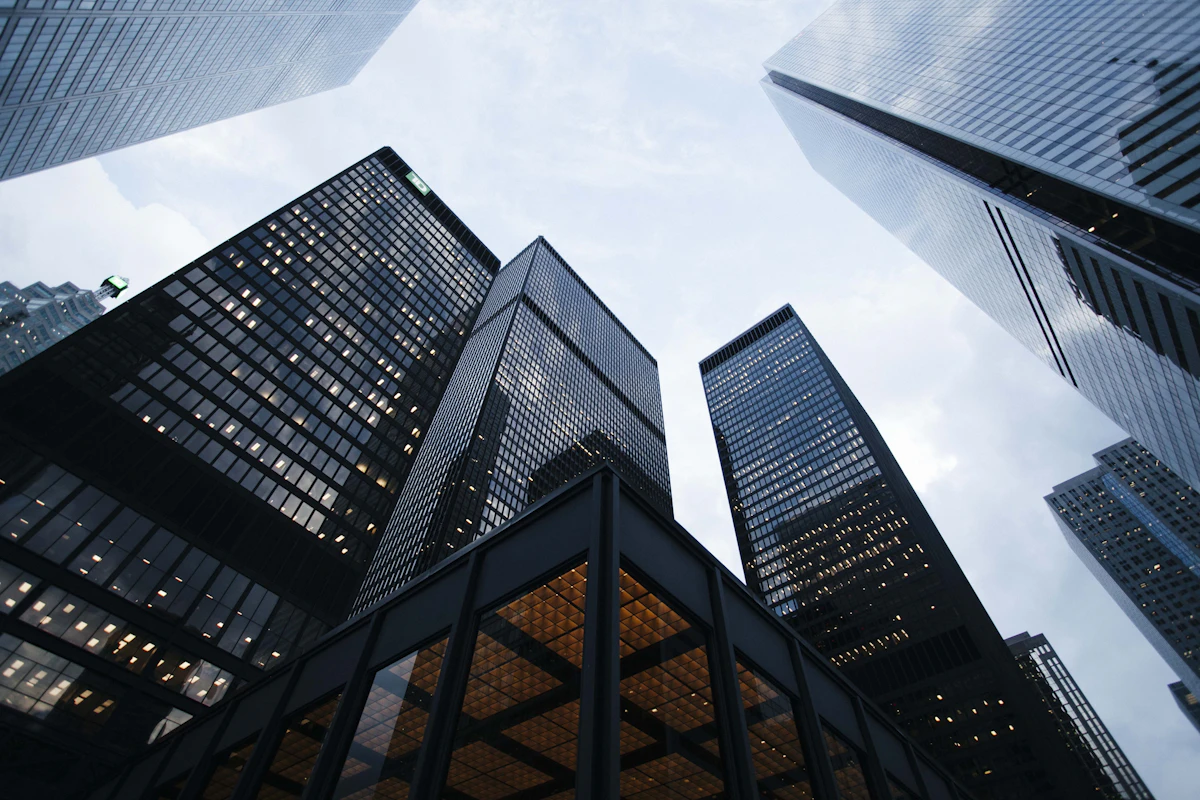
Image: Modern architectural designs are increasingly incorporating solar technology directly into glass and cladding.
The Data: Why BIPV Makes Financial Sense
While the initial investment for a high-quality PV panels facade for sale can be higher than standard cladding, the lifecycle cost analysis tells a compelling story. Consider this:
- Dual-Function Savings: The system replaces conventional building materials, offsetting part of its cost against the budget for standard facade elements like granite, terracotta, or high-performance glass.
- Energy Production & Savings: A well-oriented BIPV facade can cover a substantial portion of a building's base load, especially for energy-intensive operations. With rising electricity prices across Europe and the US, this directly protects against volatile energy markets.
- Increased Property Value: Buildings with integrated renewable energy systems and superior energy performance certificates (like LEED, BREEAM) command higher market values and rental premiums.
- Regulatory Incentives: Many regions offer tax credits, accelerated depreciation (like the Modified Accelerated Cost Recovery System in the US), and grants for renewable energy integration, improving the return on investment.
The key is to view the expenditure not just as a construction cost, but as a long-term energy infrastructure investment with a predictable payback period.
Case Study: A German Office Complex's Transformation
Let's look at a real-world example. The "SolarArc" office complex in Frankfurt, Germany, retrofitted its south-facing curtain wall with semi-transparent crystalline silicon PV panels in 2021. The project aimed to reduce its grid dependence and carbon footprint.
| Metric | Data |
|---|---|
| Facade Area Integrated | 1,850 sq. meters |
| Peak System Capacity | 210 kWp |
| Annual Energy Production | ~175,000 kWh |
| Building's Annual Consumption Covered | Approximately 15% |
| CO2 Emissions Avoided Annually | ~124 metric tons |
Critically, the project's success hinged not just on the panels themselves, but on a sophisticated behind-the-meter energy management system. The generated DC power needed to be efficiently converted, stored for use during non-sunny periods, and seamlessly integrated with the building's AC grid. This is where the choice of a complete system provider becomes paramount.
The Highjoule Solution: Intelligent Energy Management for BIPV
At Highjoule, we understand that a PV panels facade is only one part of the energy equation. The true potential is unlocked when generation is paired with intelligent storage and management. That's where our expertise as a global leader in advanced energy storage systems comes in.
When you invest in a BIPV facade, you are creating a decentralized power plant. To maximize its value, you need to:
- Store Surplus Energy: Capture excess solar power produced during peak daylight hours for use in the evening or on cloudy days.
- Ensure Grid Stability: Manage the intermittent nature of solar generation to protect your building's sensitive electrical equipment.
- Optimize Self-Consumption: Intelligently route power to where it's needed most, whether to critical loads, EV charging stations, or into storage.
Highjoule's H-Series Commercial Battery Energy Storage Systems (BESS) are the perfect complement to any BIPV installation. Our scalable, lithium-ion-based systems feature integrated hybrid inverters that seamlessly connect to your PV facade array. Coupled with our AI-driven Energy Management Platform (EMP), the system automatically optimizes energy flow based on consumption patterns, weather forecasts, and real-time electricity tariffs. For new constructions or major retrofits considering a PV panels facade for sale, integrating a Highjoule BESS from the design phase ensures you get the highest possible return and resilience from your investment.

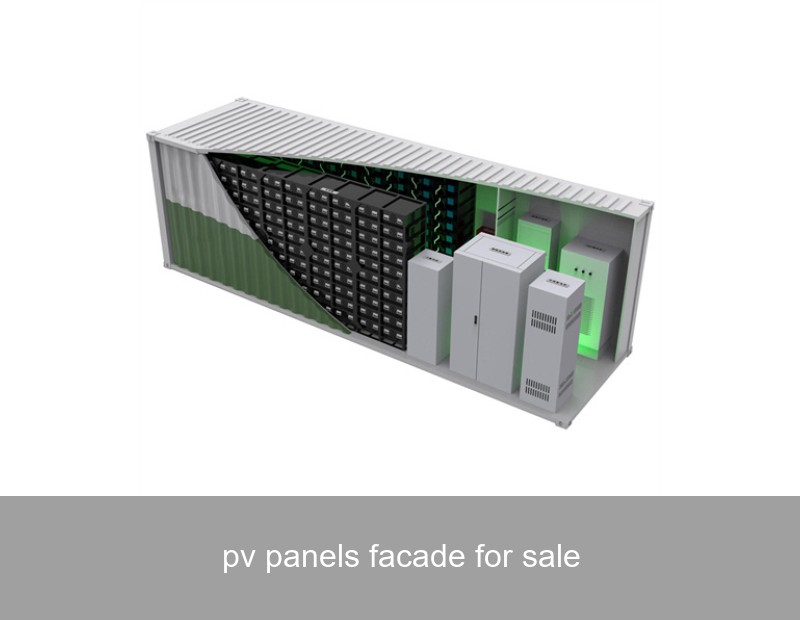
Image: A modern battery energy storage system (BESS), like those from Highjoule, is essential for maximizing solar self-consumption.
Choosing the Right PV Facade System for Your Project
Not all BIPV products are created equal. When evaluating PV panels facade for sale, you must consider both architectural and technical parameters.
Architectural & Aesthetic Factors:
- Color & Transparency: Options range from traditional dark blue/black to customized colors and varying degrees of transparency for atria or skylights.
- Form & Flexibility: Available as flat panels, curved modules, or even custom shapes to fit innovative designs.
- Mounting & Integration: Systems can be framed, frameless, or designed as direct replacements for standard cladding modules.
Technical & Performance Factors:
- Efficiency: Balance between aesthetic appeal and energy conversion efficiency. Thin-film technologies sometimes offer better performance in diffuse light common in facades.
- Durability & Warranty: The facade must withstand decades of weather. Look for products with long-term performance warranties (25+ years for power output).
- Safety & Compliance: Must meet all building fire safety, electrical, and structural codes for your region.
Partnering with a provider that understands both the construction and energy industries is crucial. Highjoule works closely with leading BIPV manufacturers and architectural firms to deliver a cohesive, high-performance package that includes generation, storage, and smart management—a true turnkey solution for the modern building.
The Future of Urban Energy
The integration of PV panels facade technology is a cornerstone of the future "smart city." As global commitments to decarbonize the built environment intensify, the pressure on urban planners and developers to create energy-positive buildings will only grow. This technology turns every new building into an opportunity for clean energy generation, reducing strain on the central grid and enhancing community resilience.
However, the journey doesn't end at installation. The ongoing optimization of that energy is what separates a symbolic green project from a genuinely smart investment. How will your building not just generate power, but also intelligently manage, store, and utilize every kilowatt-hour it creates?
Are you ready to explore how a Highjoule intelligent storage system can unlock the full potential of a PV facade on your next commercial or industrial project?
 Inquiry
 Online Chat