


Qual o Valor de uma Placa de Energia Solar? Understanding the True Worth of a Solar Panel
If you're considering solar power, the first question that likely comes to mind is, "What is the price of a solar panel?" It's a natural starting point. However, as a seasoned expert in renewable energy systems, I invite you to look beyond the simple sticker price. The real value of a solar panel isn't just its cost in a warehouse; it's the long-term financial return, energy independence, and environmental impact it delivers over its 25+ year lifespan. Let's unpack the factors that determine the true worth of your solar investment, especially for homeowners and businesses in Europe and the United States.
Table of Contents
Price vs. Value: The Fundamental Difference
When you ask "qual o valor," you might be looking for a number like €200 or $250 per panel. That's the price. The value, however, is a comprehensive calculation. It includes the panel's efficiency (how much sunlight it converts to electricity), its degradation rate (how well it performs over time), the warranty backing it, and the quality of the overall system it integrates with. A cheaper, lower-efficiency panel might produce less electricity over its life, ultimately offering less value than a slightly more expensive, high-performance alternative. Think of it like buying a car: the upfront cost is one thing, but fuel efficiency, reliability, and resale value define its true worth.
Key Factors Influencing Solar Panel Cost
The price of an individual solar panel is influenced by several technical and market factors:
- Panel Technology & Efficiency: Monocrystalline panels (high-efficiency, sleek black) are typically more expensive than polycrystalline (blue cells). Emerging technologies like PERC or bifacial panels command a premium for their higher energy yield.
- Brand & Quality: Established manufacturers with proven long-term performance and robust warranties often have higher price points. This premium buys peace of mind and predictable output.
- Power Rating (Wattage): Panels are priced per watt. A 400-watt panel will cost more than a 350-watt panel from the same brand, but it will also generate more power in the same physical space.
- Market Dynamics & Supply Chain: Global demand, raw material (like polysilicon) prices, and trade policies can cause fluctuations. According to the International Energy Agency (IEA), solar PV manufacturing capacity is increasing, which can help stabilize costs long-term.
To give you a rough idea, as of 2024, the price for a standard residential-grade solar panel in the U.S. and Europe can range from $150 to $350 per panel, heavily dependent on the factors above. But remember, you rarely buy just one panel.
The Bigger Picture: System Cost & Return on Investment (ROI)
This is where the conversation gets practical. You invest in a complete solar energy system, not just a collection of panels. The total system cost includes:
- Solar panels (modules)
- Inverters (which convert DC solar power to usable AC power)
- Mounting hardware and racking
- Electrical components and wiring
- Professional installation labor and permits
The real metric to focus on is the cost per watt of the installed system. In the U.S., this average hovers around $2.50 to $3.50 per watt before incentives. For a typical 6 kW (6,000-watt) system, that translates to a gross cost of $15,000 to $21,000. Then, apply incentives like the U.S. federal tax credit (currently 30%) or European subsidies like Italy's Superbonus 110% or various national feed-in tariffs, and the net investment drops significantly.
The ROI is calculated by comparing this net cost to your lifetime energy savings. If your system offsets a €1,200 annual electricity bill and your net cost was €10,000, your simple payback period is just over 8 years. For the remaining 17+ years of the warranty period, the electricity you produce is essentially free, adding tremendous value to your property.

Image Source: Unsplash - A high-quality installation ensures safety, performance, and longevity, all critical to value.
Real-World Value in Action: A European Case Study
Let's look at a concrete example from Germany. A medium-sized manufacturing facility with a high daytime energy load installed a 100 kW rooftop solar system in 2022. The total installed cost was approximately €85,000. By leveraging Germany's favorable conditions for self-consumption, the facility aimed to cover its base load operations with solar power.
| Metric | Data |
|---|---|
| Annual Energy Production | 98,000 kWh |
| On-Site Self-Consumption Rate | 74% |
| Annual Electricity Cost Savings | €18,620 (at €0.19/kWh) |
| Simple Payback Period | ~4.6 Years |
This case, inspired by real European Commission solar energy data, shows that for commercial entities with consistent daytime demand, the value proposition of solar is exceptionally strong. The panels paid for themselves in under five years, and now generate nearly €19,000 in annual energy cost avoidance, which directly improves operational profitability. This is the true "valor" in action.
Value Beyond the Electricity Bill
The financial ROI is compelling, but the value extends further:
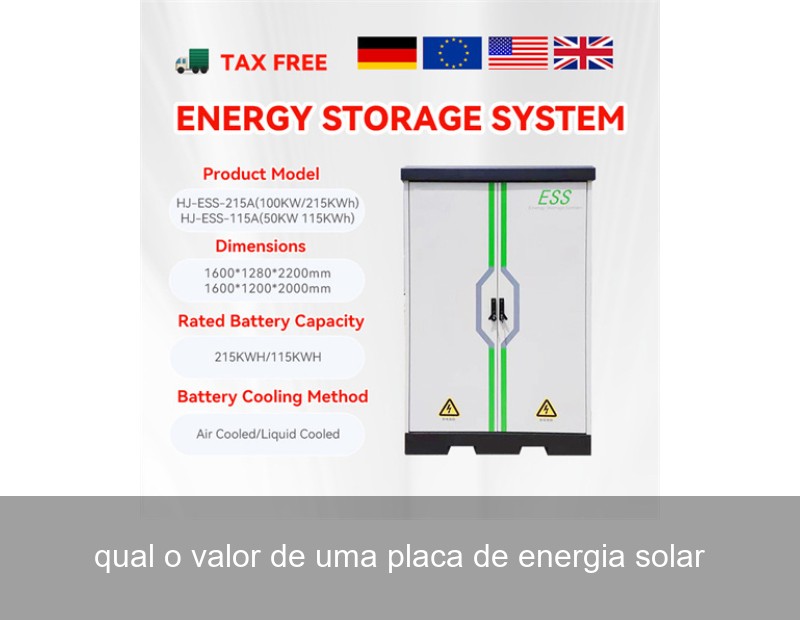
- Energy Independence & Grid Resilience: Solar panels reduce reliance on the volatile utility grid. When paired with a battery energy storage system (BESS), this value skyrockets. You can store excess solar energy for use at night or during power outages, turning your property into a personal microgrid.
- Environmental Impact: Each kilowatt-hour generated by solar avoids approximately 0.4 to 0.6 kg of CO2 emissions from fossil fuels, a tangible contribution to sustainability goals.
- Property Value Increase: Multiple studies, including those from the U.S. Department of Energy, confirm that solar installations increase home resale value.
This is where companies like Highjoule redefine value. We don't just sell panels; we provide intelligent, integrated storage solutions. Our HPS Series for residential and HCS Series for commercial applications are designed to maximize self-consumption of solar energy, manage peak demand charges for businesses, and provide backup power. By combining high-efficiency solar with smart storage, the total value of your energy system—in savings, resilience, and control—is fundamentally transformed.

Image Source: Unsplash - Battery storage systems, like those from Highjoule, capture excess solar energy for later use.
How to Maximize the Value of Your Solar Investment
To ensure you extract the maximum value from your solar panels, follow this guidance:
- Get a Holistic Energy Assessment: Work with a qualified provider who analyzes your past energy bills, roof orientation, shading, and future needs. The goal is to right-size your system for optimal economics.
- Prioritize System Quality, Not Just Panel Price: Insist on tier-one panels, a reputable inverter brand (like those we integrate with at Highjoule), and certified installers. The longevity of your system depends on it.
- Strongly Consider Storage from Day One: Especially in regions with time-of-use rates or less stable grids, adding a battery like Highjoule's HPS-10 can dramatically improve self-sufficiency and shield you from rising electricity rates.
- Understand Your Incentives: A good provider will give you a clear breakdown of all applicable federal, state, and local incentives to minimize your net cost.
Ultimately, the question "qual o valor de uma placa de energia solar" leads to a deeper, more empowering discussion about taking control of your energy future. The initial price is just the entry point to decades of clean, affordable, and reliable power.
Given the rapid evolution of energy markets and technology, what specific energy challenge—be it unpredictable bills, sustainability targets, or the need for backup power—is most pressing for your home or business today?
 Inquiry
 Online Chat