


Your Guide to Refrigerated Containers for Sale: Powering the Cold Chain Sustainably
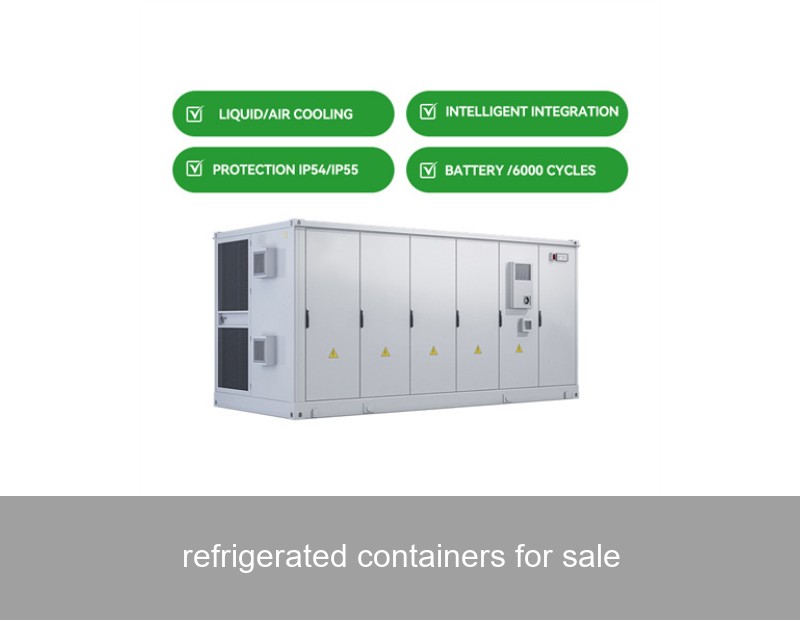
Searching for "refrigerated containers for sale" is often the first step in solving a critical logistics puzzle. Whether you're a farmer extending your market reach, a pharmaceutical company safeguarding life-saving vaccines, or a logistics manager ensuring supermarket shelves are stocked, the reliability of your cold chain is non-negotiable. But today's challenge isn't just about finding a container; it's about finding a solution that is both economically and environmentally resilient. The modern cold chain is under pressure from volatile energy costs and a global push for decarbonization. This article explores how the right refrigerated container, paired with intelligent power solutions, can transform this critical link in your supply chain from a cost center into a model of efficiency and sustainability.
Table of Contents
- The Modern Cold Chain Challenge: More Than Just Cooling
- The Hidden Energy Reality of Refrigerated Transport
- The Sustainable Solution: Energy-Independent Refrigerated Containers
- Highjoule's Role: Powering Intelligent Cold Chain Logistics
- Case Study: Solar-Powered Reefers in Mediterranean Agriculture
- Key Considerations When Buying Refrigerated Containers
- The Future Outlook: Smarter, Greener Cold Chains
The Modern Cold Chain Challenge: More Than Just Cooling
Gone are the days when a reliable diesel generator was the only concern for a refrigerated container (or "reefer"). The landscape has shifted dramatically. Operators across Europe and the US are now grappling with a triple squeeze: skyrocketing fuel costs, stringent environmental regulations like the EU's Green Deal, and increasing customer demand for verifiable, low-carbon supply chains. A reefer unit running on diesel can consume up to 20% of its fuel just to maintain temperature while stationary during port delays or transshipment—burning money and emitting pollutants unnecessarily. This isn't just an operational cost; it's a strategic vulnerability.
The Hidden Energy Reality of Refrigerated Transport
Let's look at the numbers. A standard 40-foot refrigerated container can use between 5 to 10 kWh of energy per day, depending on the setpoint temperature and ambient conditions. For a fleet of 100 containers on a 30-day voyage, that translates to 15,000 to 30,000 kWh of total energy consumption. Traditionally, this energy comes from shipboard power or diesel gensets. According to a study by the International Transport Forum, maritime shipping accounts for about 2-3% of global GHG emissions, with reefer cargo contributing a significant portion. The financial cost is equally staggering, with fuel often representing over 50% of a container trip's variable costs. This data paints a clear picture: the traditional power model for reefers is economically and environmentally unsustainable.
The Sustainable Solution: Energy-Independent Refrigerated Containers
So, what's the answer? The next generation of refrigerated containers for sale is evolving into integrated energy platforms. The most forward-thinking solutions now incorporate on-board battery energy storage systems (BESS) and the ability to integrate with renewable sources like solar panels. Imagine a reefer that can operate silently and emission-free for hours or even days at a logistics hub, powered by its own stored clean energy. This isn't a futuristic concept—it's available technology that solves multiple problems at once: reducing fuel bills, cutting emissions, and providing critical backup power during grid outages or intermodal transfers.
This is where the expertise of a global energy storage provider becomes crucial. At Highjoule, we don't manufacture the refrigeration unit itself, but we provide its intelligent heart: the advanced, scalable battery storage systems that can be integrated into new or retrofitted refrigerated container solutions. Our Highjoule C&I ESS (Commercial & Industrial Energy Storage System) is specifically engineered for demanding, mobile applications. With high-cycle life, robust thermal management, and sophisticated energy management software, it allows a reefer to "charge" from the grid or solar when power is cheap and abundant, and then run on clean, silent battery power when it's not.

Image Source: Unsplash (Photographer: CHUTTERSNAP)
Highjoule's Role: Powering Intelligent Cold Chain Logistics
Founded in 2005, Highjoule has established itself as a leader in advanced energy storage. Our mission is to make energy intelligent, efficient, and sustainable for every link in the supply chain. For companies looking to purchase or upgrade their refrigerated containers, partnering with a technology provider like Highjoule means you're not just buying a cooler—you're investing in a resilient, future-proof cold chain asset.
Our systems offer tangible benefits for reefer operations:
- Peak Shaving & Cost Reduction: Draw grid power during off-peak hours to charge the integrated BESS, then use stored energy during expensive peak periods or while waiting at port.
- Emission-Free Standby & Quiet Operation: Enable full-temperature control in urban areas, hospitals, or eco-sensitive zones without noise or diesel fumes, complying with strict local regulations.
- Enhanced Reliability: Our battery systems provide a seamless bridge during power source switching, eliminating the risk of temperature excursions that can spoil cargo.
- Remote Monitoring & Management: Highjoule's cloud-based platform allows fleet managers to monitor the state of charge, energy consumption, and health of the power system in real-time, optimizing the entire fleet's energy use.
Case Study: Solar-Powered Reefers in Mediterranean Agriculture
Consider a real-world application from Southern Spain. A large cooperative of berry and citrus growers was struggling with the cost and carbon footprint of transporting their temperature-sensitive produce from farms to distribution centers across Europe. Diesel-powered generator sets at the packing facilities were a major expense.
The Solution: They deployed a fleet of 20 refrigerated containers integrated with Highjoule's modular battery systems. Each container was also fitted with flexible, dock-mounted solar canopies at the packing stations.
| Metric | Before | After (with Highjoule BESS + Solar) |
|---|---|---|
| Daily Diesel Use per Container (standby) | 15 Liters | 0 Liters |
| Estimated CO2 Reduction per Container Annually | Baseline | ~12 tonnes |
| Energy Cost during Peak Hours | €0.28/kWh | €0.08/kWh (off-peak stored energy) |
| Noise at Loading Docks | High (diesel genset) | Near Silent |
Over a year, the cooperative reported a 40% reduction in energy costs associated with pre-cooling and standby refrigeration, while significantly enhancing their sustainability credentials—a key selling point to European retailers. The Highjoule system's reliability also reduced the risk of pre-shipment spoilage, protecting their valuable cargo.
Key Considerations When Buying Refrigerated Containers
When evaluating refrigerated containers for sale, look beyond the refrigeration unit's brand and cooling capacity. Ask these critical questions about energy resilience:
- Is it "Energy-Agnostic" Ready? Can the container easily integrate with battery storage or renewable energy sources now or in the future?
- What is the Total Cost of Ownership (TCO)? Factor in not just the purchase price, but projected fuel/electricity costs, maintenance, and potential carbon taxes over a 10-year lifespan.
- How is the Power Managed? Does it have an intelligent Energy Management System (EMS) to optimize power draw from different sources automatically?
- Can You Monitor Remotely? Real-time visibility into both temperature AND energy consumption is vital for modern supply chain management.
Discussing these points with your reefer supplier and a specialist like Highjoule can unlock a more valuable, long-term asset. Our team works with OEMs and integrators to provide tailored power solutions that meet these exact needs.

Image Source: Unsplash (Photographer: American Public Power Association)
The Future Outlook: Smarter, Greener Cold Chains
The cold chain is on the brink of a digital and green revolution. We are moving towards interconnected fleets where energy flows are optimized across ports, vehicles, and warehouses. Concepts like Vehicle-to-Grid (V2G) could one day see a fleet of stationary, battery-equipped reefers at a port providing grid stabilization services. The integration of AI will predict energy needs based on weather, cargo type, and logistics schedules, further slashing waste.
For businesses today, the decision to invest in smarter refrigerated containers is a direct investment in supply chain resilience and corporate sustainability goals. It’s about building a cold chain that is not only unbreakable but also clean and intelligent.
Ready to Explore How Intelligent Power Can Transform Your Cold Chain Assets?
What would a 30% reduction in your refrigerated transport energy costs do for your bottom line and sustainability targets? The conversation starts with understanding your specific operational flow. Contact Highjoule's experts today for a consultation on how our advanced energy storage systems can be integrated into your next refrigerated container purchase, creating a cooler, cleaner, and more cost-effective future for your perishable goods.
 Inquiry
 Online Chat