


Navigating the Future: How Renewable Energy Companies in Abuja Are Powering a Sustainable Nigeria
Abuja, Nigeria's purpose-built capital, stands as a symbol of national ambition. Yet, like much of the nation, it grapples with a fundamental challenge: achieving a stable, reliable, and sustainable power supply. This is where a new wave of innovation is taking root. A growing number of forward-thinking renewable energy companies in Abuja are not just offering an alternative; they are redefining the very architecture of energy access. For businesses, industries, and residential communities, the shift from sporadic grid power to self-sufficient, clean energy systems is no longer a distant ideal—it's an operational and economic imperative. This article explores how this transition is unfolding, the critical role of advanced technology, and what it means for Abuja's future.
Table of Contents
- The Abuja Energy Phenomenon: More Than Just Blackouts
- The Data Behind the Shift: Why Solar and Storage Make Sense
- Case Study: An Abuja Business Park's Journey to Energy Independence
- The Core Technology: It's All About the Battery Energy Storage System (BESS)
- Highjoule's Role: Delivering Intelligent Storage Solutions to Abuja's Market
- The Future Landscape for Renewable Energy in Nigeria's Capital
The Abuja Energy Phenomenon: More Than Just Blackouts
If you've operated a business or managed a facility in Abuja, you know the story all too well. The unpredictable grid supply forces a heavy reliance on diesel generators. The result? Soaring operational costs, constant noise and air pollution, and the logistical headache of fuel procurement. It's a cycle that hinders productivity, impacts profitability, and contradicts global sustainability goals. This phenomenon has created a powerful market pull for solutions that are not only clean but, more importantly, reliable and intelligent. Renewable energy companies in Abuja are responding by moving beyond simple solar panel installations to integrated "solar-plus-storage" systems that provide 24/7 power.
The Data Behind the Shift: Why Solar and Storage Make Sense
The economic argument for solar energy in a sun-rich region like Abuja is strong. But the true game-changer is the addition of storage. Let's look at the numbers:
- Solar Potential: Abuja enjoys an average of 5.5 to 6.0 peak sun hours per day year-round, making it exceptionally viable for photovoltaic (PV) generation. (Global Solar Atlas).
- Cost of Diesel: Powering a medium-sized commercial generator can cost between ₦200 - ₦350 per kWh, a price subject to volatile global fuel markets.
- Levelized Cost of Energy (LCOE): The LCOE for utility-scale solar PV has plummeted globally. When combined with falling battery prices, solar-plus-storage projects are now increasingly cost-competitive with traditional fossil fuel generation, especially when factoring in reliability benefits. (Lazard's Levelized Cost of Energy Analysis).
This data paints a clear picture: the initial investment in a robust renewable energy system with storage translates to long-term, predictable energy costs and freedom from diesel dependency.
Case Study: An Abuja Business Park's Journey to Energy Independence
Consider the real-world example of a modern business park in the Maitama district of Abuja. Housing multiple offices, retail spaces, and a data server room, the park was spending over ₦18 million monthly on diesel and faced constant operational disruptions.
In 2023, they partnered with a local renewable energy company in Abuja to design and implement a turnkey solution:
- Solar PV Array: A 1.2 MW rooftop and carport solar installation.
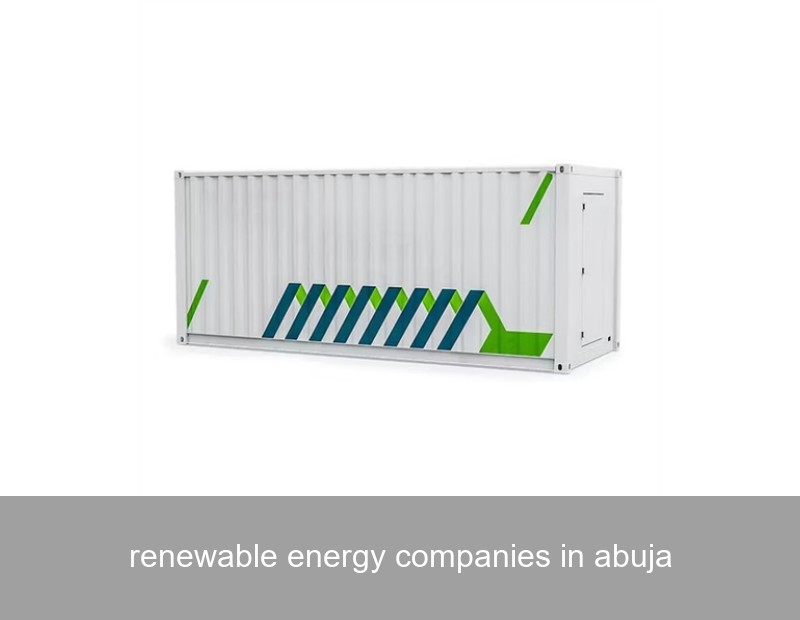
- Energy Storage: A 1.5 MWh containerized Battery Energy Storage System (BESS).
- Intelligent Energy Management System (EMS): To autonomously control power flow between solar, batteries, the grid, and critical loads.
| Metric | Before Installation | After Installation |
|---|---|---|
| Diesel Consumption | ~45,000 liters/month | ~5,000 liters/month (backup only) |
| Monthly Energy Cost | ₦18 million+ | ₦4 million (incl. system finance) |
| Carbon Emissions | ~120 tons CO2/month | ~15 tons CO2/month |
| Grid Dependency | >70% | <20% |
The park now operates primarily on self-generated solar power, using the BESS to provide seamless power through the night and during grid outages. The project payback period is estimated at under 5 years.

Image Source: Unsplash (Representative image of a commercial solar installation)
The Core Technology: It's All About the Battery Energy Storage System (BESS)
At the heart of any reliable, off-grid or hybrid power solution is the Battery Energy Storage System. Think of it as the "brain and brawn" of your energy setup. A modern BESS does much more than just store excess solar energy; it manages the entire ecosystem.
- Energy Time-Shifting: Stores cheap solar energy produced at noon for use during expensive evening peak hours.
- Frequency & Voltage Regulation: Provides grid-forming capabilities to stabilize power quality, crucial for sensitive equipment.
- Seamless Backup: Transfers critical loads to battery power in milliseconds during a grid failure, with no interruption.
The choice of battery chemistry, system design, and software intelligence is critical for safety, longevity, and return on investment. This is where partnering with a technology leader with deep system integration expertise becomes paramount.
Highjoule's Role: Delivering Intelligent Storage Solutions to Abuja's Market
As a global advanced energy storage system provider with nearly two decades of experience, Highjoule partners with renewable energy companies in Abuja and across Nigeria to deliver the robust, smart technology required for such transformative projects. Our solutions are engineered for the specific challenges of the region:
- Highjoule H-Series Commercial BESS: Our containerized and modular systems, featuring lithium iron phosphate (LFP) battery chemistry, are built for safety, high cycle life, and optimal performance in warm climates. They are the ideal backbone for commercial and industrial microgrids.
- Intelligent Energy Management Software: The Highjoule Nexus™ platform allows installers and operators to monitor, control, and optimize energy usage in real-time, ensuring maximum self-consumption of solar power and reduced costs.
- Full Technical Partnership: We provide more than hardware. Our support includes comprehensive design review, technical training for local partners, and commissioning support, ensuring systems are deployed correctly and perform reliably for decades.
For a leading renewable energy company in Abuja, integrating a Highjoule BESS means they can offer clients a superior, bankable solution with a clear long-term performance guarantee.

Image Source: Unsplash (Representative image of a battery energy storage system maintenance)
The Future Landscape for Renewable Energy in Nigeria's Capital
The trajectory is clear. Abuja is moving towards a decentralized, resilient energy model. We will see more residential estates becoming gated "power communities," more hospitals and data centers ensuring uptime with solar-plus-storage, and more industrial facilities turning their energy costs into a controlled variable. Policy frameworks like the Nigerian Electricity Regulatory Commission's (NERC) Mini-Grid Regulations are further catalyzing this growth.
The question for business leaders, property developers, and facility managers in Abuja is no longer if they should consider renewable energy, but how to implement it strategically. The success hinges on choosing the right technology partner and a system integrator with proven expertise.
 Inquiry
 Online Chat