


Your Complete Guide to the Solar Photovoltaic Panel with Battery (Panou Solar Fotovoltaic cu Baterie)
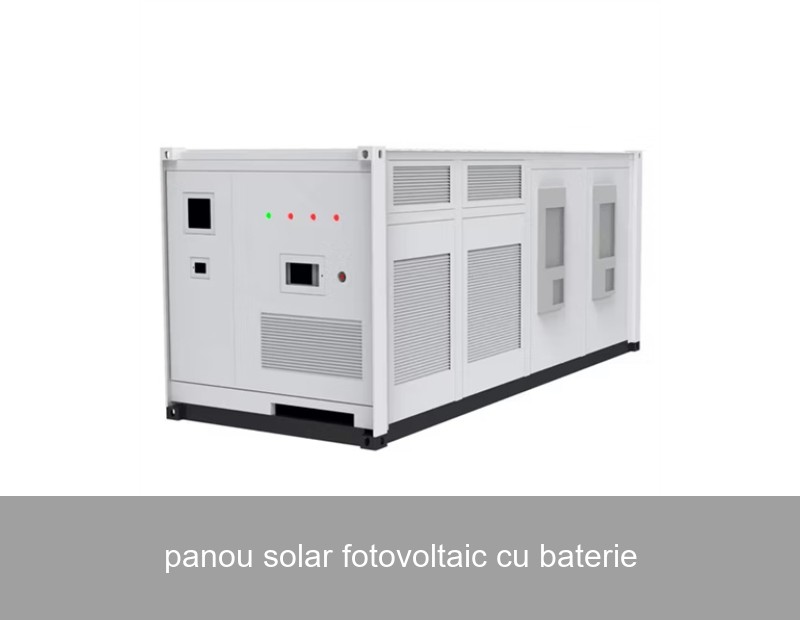
Have you ever watched your solar panels generate a surplus of clean energy on a bright, sunny day, only to see it go to waste because you're not home to use it? Or perhaps you've been frustrated by a power outage that silences your home even with the sun shining. This common experience is the very challenge that the integrated solar photovoltaic panel with battery system is designed to solve. It’s no longer just about generating power; it’s about intelligently managing it. This comprehensive guide will explore how this technology works, its undeniable benefits, and how it’s transforming energy independence for homeowners and businesses across Europe and the US.
What is a Solar Photovoltaic Panel with a Battery System?
At its core, a solar photovoltaic panel with battery setup, often called solar-plus-storage, is a seamless integration of two key technologies:
- Photovoltaic (PV) Panels: Convert sunlight into direct current (DC) electricity.
- Battery Energy Storage System (BESS): Stores excess electricity generated by the panels for use at a later time—like at night, during cloudy weather, or during a grid outage.
Think of it as your personal energy ecosystem. The panels are your "income" (energy generation), and the battery is your "savings account" (energy storage). This allows you to maximize self-consumption, using more of the clean energy you produce on-site.
How Does an Integrated PV + Battery System Work?
The magic lies in the intelligent energy management. Here's a typical flow:
- Generation: Solar panels produce DC electricity.
- Conversion: An inverter converts DC into usable alternating current (AC) for your home.
- Priority Consumption: Your home appliances use this solar power in real-time.
- Storage: Any surplus energy, instead of being fed back to the grid, charges your battery system.
- Discharge: When solar production drops (evening, clouds) or the grid fails, the battery seamlessly discharges to power your critical loads.
Modern systems like those developed by Highjoule use sophisticated software to learn your consumption patterns and optimize this cycle, ensuring you get the most economic and practical value from every kilowatt-hour.
Key Benefits: Beyond Just Backup Power
While emergency backup is a major motivator, the advantages run much deeper:
- Maximized Energy Self-Consumption: Increase the portion of your own solar energy you use from 30-50% to 70% or more, drastically reducing reliance on the grid.
- Enhanced Resilience: Keep lights on, refrigerators running, and essential circuits powered during outages. This is crucial in regions prone to extreme weather, as seen in California or Southern Europe.
- Financial Savings & ROI: With volatile and rising electricity prices across Europe and North America, using stored cheap solar power during peak tariff hours (evening) can lead to significant bill savings.
- Grid Support & Sustainability: By reducing peak demand on the grid, you contribute to community-wide grid stability and further decrease your carbon footprint.
A Real-World Case Study: Resilience in Action
Let's look at a concrete example from California, USA. A mid-sized winery in Napa Valley installed a 250 kW solar canopy coupled with a 500 kWh battery storage system. Their goals were to offset high operational energy costs and ensure uninterrupted power for critical refrigeration and fermentation control.
| Metric | Result |
|---|---|
| Annual Energy Bill Savings | Over $45,000 |
| Self-Consumption Rate | Increased from 41% to 89% |
| Backup Duration for Critical Loads | Up to 10 hours during a planned outage |
| CO2 Emissions Reduction | Equivalent to planting ~1,200 trees annually |
This case demonstrates that for commercial entities, a solar photovoltaic panel with battery system is not just an expense but a strategic investment in operational continuity and cost predictability.
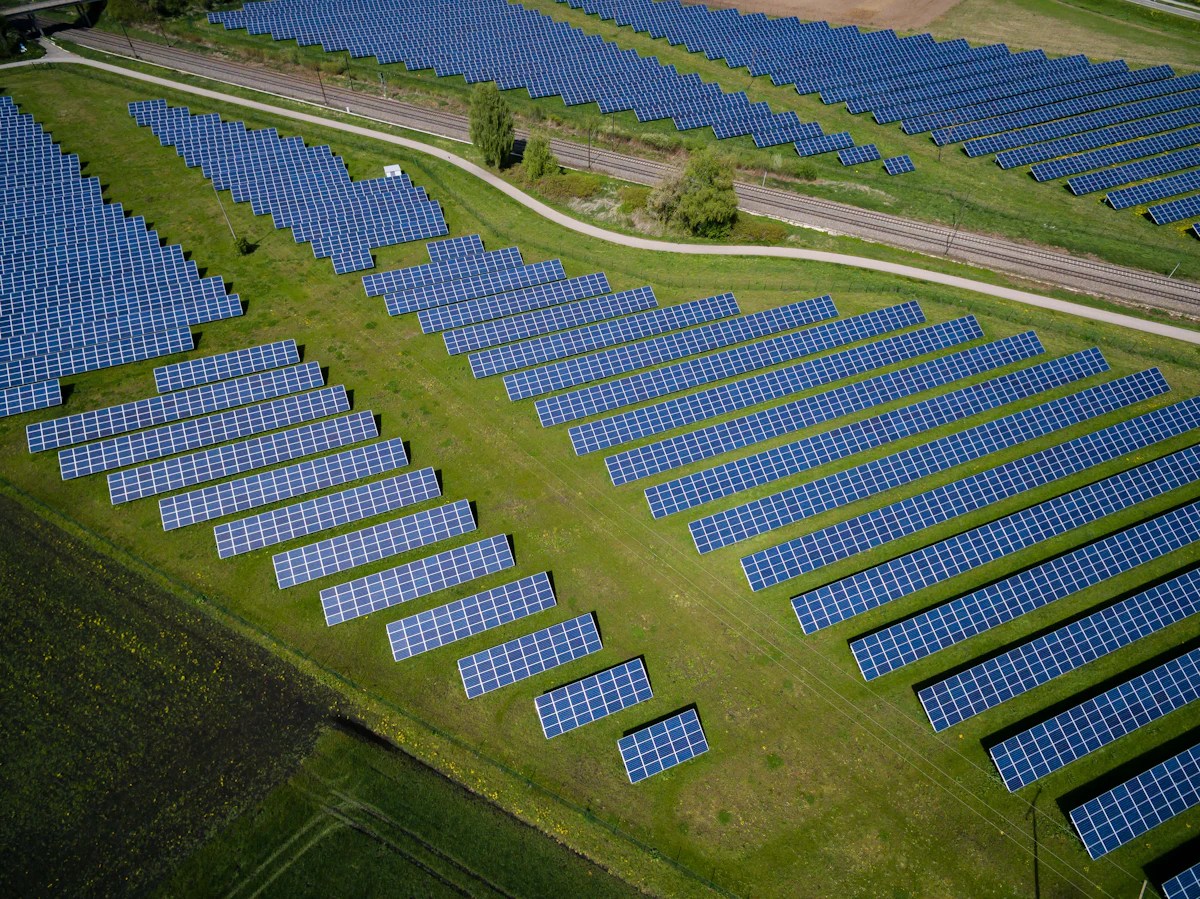
Image: Commercial solar installations, like this one, are increasingly paired with storage. Source: Unsplash
Choosing the Right System for Your Needs
Selecting a system isn't one-size-fits-all. Key considerations include:
- Battery Chemistry: Lithium-ion (like LiFePO4) is the current standard for its efficiency, lifespan, and safety profile.
- Capacity & Power: Capacity (kWh) is your "energy tank size," while power (kW) is how much energy can be delivered at once. You need both sized correctly for your home's needs.
- Scalability: Can you add more batteries later if your needs change?
- System Intelligence: Look for smart energy management that can adapt to weather, tariffs, and your habits.
Highjoule's Role in Advanced Energy Storage
This is where expertise matters. Since 2005, Highjoule has been at the forefront of intelligent energy storage solutions. We understand that a solar photovoltaic panel with battery system is more than hardware—it's a sophisticated energy platform. Our HES (Highjoule Energy Stack) product line for residential and commercial applications is designed for seamless integration, superior safety, and long-term performance.
Our systems feature modular LiFePO4 batteries, allowing for flexible capacity, and are managed by our proprietary OptiCharge AI software. This software doesn't just react; it predicts. By analyzing local weather forecasts and your historical usage, it optimizes charge/discharge cycles to maximize your financial return and readiness for outages. For businesses and microgrids, our solutions provide not just backup, but also valuable grid services, turning your energy asset into a potential revenue stream.

Image: A modern, wall-mounted home battery system, similar in form to advanced solutions like Highjoule's HES. Source: Unsplash
The Future of Home and Business Energy
The trend is clear: energy systems are becoming decentralized, digital, and democratized. With policies like the EU's REPowerEU plan and the US Inflation Reduction Act incentivizing storage, adoption is accelerating. The next evolution includes vehicle-to-home (V2H) technology, where your electric vehicle becomes part of your home storage system.
The fundamental question is shifting from "Should I get solar?" to "How can I build a resilient, intelligent, and cost-effective personal energy system?" The integrated solar photovoltaic panel with battery is the definitive answer.
Is your current energy setup prepared for the next price spike or unexpected grid disruption? What would full energy independence look like for your home or business?
 Inquiry
 Online Chat