


Unlocking Energy Independence: A Deep Dive into the Modern Rooftop Solar Energy System
Have you ever looked at your roof and imagined it doing more than just shielding you from the rain? For homeowners and businesses across Europe and the U.S., that vision is becoming a powerful reality. The modern rooftop solar energy system has evolved from a niche alternative to a cornerstone of intelligent energy management. But it's no longer just about panels on the roof. Today, a truly resilient system integrates generation, storage, and smart control. This article will guide you through the components, benefits, and crucial considerations for deploying a system that not only saves money but also provides true energy security. As a leader in this space since 2005, Highjoule has been at the forefront, designing integrated solutions that make this independence accessible and reliable.
Table of Contents
- The Evolution: From Simple Panels to an Integrated Energy Hub
- Core Components of a High-Performance Rooftop Solar System
- The Data Advantage: Why Storage is Non-Negotiable
- Real-World Case Study: A German Bakery's Recipe for Resilience
- Choosing the Right Partner for Your Solar Journey
Modern solar installations are designed for both efficiency and aesthetics. (Image credit: Unsplash)
The Evolution: From Simple Panels to an Integrated Energy Hub
The story of rooftop solar is one of rapid innovation. A decade ago, a typical setup involved panels connected to an inverter, feeding excess power directly back to the grid. While this reduced bills, it left owners vulnerable to grid outages and fluctuating feed-in tariffs. The phenomenon? A surplus during the day, a deficit at night, and total darkness during blackouts.
The data tells a compelling story. According to the International Energy Agency (IEA), global solar PV capacity is set to surpass coal by 2027. However, the U.S. Energy Information Administration notes that the average U.S. household still draws significant power from the grid after sunset. This gap between production and consumption is the critical challenge a modern system must solve.
This is where the concept of the integrated solar energy system comes in. It's a holistic approach that combines solar generation with battery storage and intelligent energy management. Companies like Highjoule have pioneered this shift, moving beyond being just component suppliers to becoming providers of end-to-end energy resilience solutions.
Core Components of a High-Performance Rooftop Solar System
Let's break down the key players in a state-of-the-art system:
- Solar Photovoltaic (PV) Panels: The generators. Modern monocrystalline panels offer efficiencies above 22%, capturing more energy from the same rooftop footprint.
- Inverter(s): The translator. Converts direct current (DC) from the panels into alternating current (AC) for your home. Hybrid or multi-mode inverters are now essential, as they can also manage battery charging and discharging.
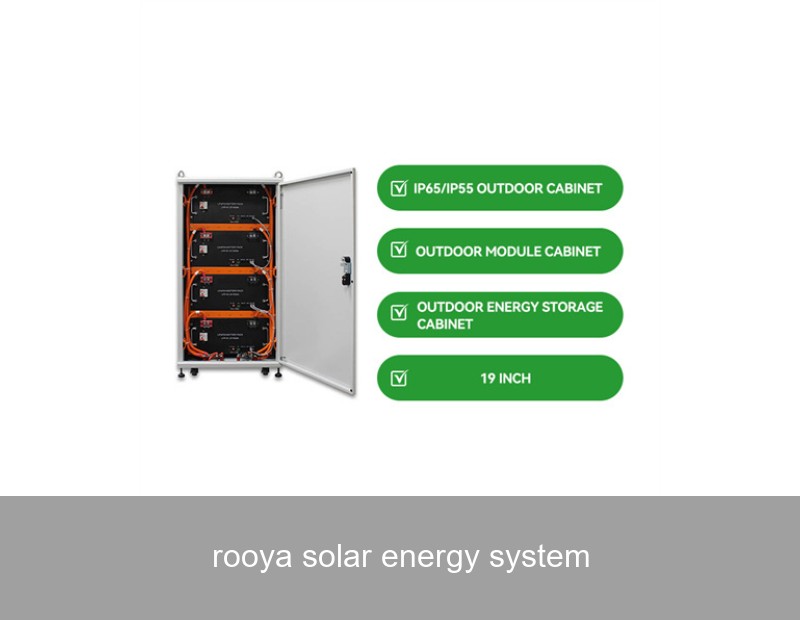
- Battery Energy Storage System (BESS): The heart of independence. This stores excess solar energy for use when the sun isn't shining.
- Energy Management System (EMS): The brain. This smart software optimizes energy flow, deciding when to store, use, or export power based on weather forecasts, usage patterns, and tariff rates.
Highjoule's approach is to deeply integrate these components. Our Highjoule HPS Series residential storage system, for instance, features a modular lithium iron phosphate (LiFePO4) battery known for its safety and long cycle life, paired seamlessly with a hybrid inverter and our proprietary JouleMind AI energy management platform. For commercial and industrial applications, our GridMaster C&I solutions offer scalable storage from 50 kWh to multi-megawatt hours, designed to handle peak shaving and backup power for critical operations.
The Data Advantage: Why Storage is Non-Negotiable
Think of it this way: without storage, you're effectively using the grid as a 100% inefficient, one-way battery. You sell power cheaply during the day and buy it back expensively at night. The logic is clear: the highest level of self-consumption delivers the greatest savings and ROI.
A table comparing typical system outcomes illustrates this point:
| System Type | Average Self-Consumption | Grid Dependence During Outage | Estimated Bill Reduction* |
|---|---|---|---|
| Solar-Only (No Storage) | 30-50% | 100% (No Backup) | 40-60% |
| Solar + Storage (Integrated) | 70-90% | 0% for Critical Loads | 80-95%+ |
*Reductions vary based on location, energy rates, and system sizing.
By adding a Highjoule battery system, you're not just storing energy; you're buying control. Our systems are designed to provide seamless backup power, switching on in milliseconds when the grid fails, ensuring your lights, refrigeration, and essential devices stay on.
Real-World Case Study: A German Bakery's Recipe for Resilience
Let's move from theory to practice. Consider "Bäckerei Schmidt," a mid-sized bakery in Bavaria, Germany. Their challenge was twofold: soaring energy costs for their ovens and refrigeration, and the risk of spoilage during increasingly common grid instability events.
The Solution: In 2023, they installed a 85 kWp rooftop solar array coupled with a Highjoule GridMaster 200 commercial storage system (200 kWh capacity). The system was integrated with their existing electrical infrastructure to prioritize power to cooling and proofing cabinets during an outage.
The Data-Driven Results (First 12 Months):
- Energy Self-Sufficiency: Increased from 25% to 78%.
- Peak Demand Charges: Reduced by 92% through intelligent load shifting.
- CO2 Emissions: Avoided an estimated 62 tonnes.
- ROI Timeline: Projected payback period of 6.2 years, accelerated by German KfW subsidies and massive savings on time-of-use rates.
- Resilience: Successfully rode through three grid outages, preventing over €15,000 in potential lost inventory.
This case, documented in part with data from the Fraunhofer Institute for Solar Energy Systems ISE, underscores that a modern rooftop solar energy system is a strategic business investment, not just an environmental one.

Commercial-scale solar installations can dramatically cut operational costs. (Image credit: Unsplash)
Choosing the Right Partner for Your Solar Journey
With the technology proven, the choice of partner becomes paramount. You need a provider with deep expertise across the entire value chain—from component quality and system design to software intelligence and long-term service.
Highjoule's global experience since 2005 means we understand the specific regulatory and climatic conditions of markets from California to Scandinavia. Our JouleCare long-term service agreements ensure your system performs optimally for its entire 20+ year lifespan, with remote monitoring and proactive maintenance. We don't just sell hardware; we deliver a guaranteed sustainable power solution.
When evaluating proposals, ask: Does the design maximize self-consumption? Is the storage chemistry safe and durable (like LiFePO4)? Does the software offer true, adaptive intelligence? Can the provider demonstrate real-world performance data from similar installations?
Looking Ahead: Your Energy Ecosystem
The future home or business energy system will likely integrate electric vehicle charging, heat pumps, and even vehicle-to-grid (V2G) capabilities. A flexible, modular platform like Highjoule's is designed for this expansion. Your rooftop solar energy system becomes the foundation of a personal microgrid.

The integrated home energy system of the future. (Image credit: Unsplash)
So, as you consider taking control of your energy costs and carbon footprint, we leave you with this question: What would true energy independence—freedom from outages and volatile prices—allow you to achieve for your home or business?
 Inquiry
 Online Chat