


Second Hand Shipping Containers for Sale: Your Blueprint for Sustainable Energy Infrastructure
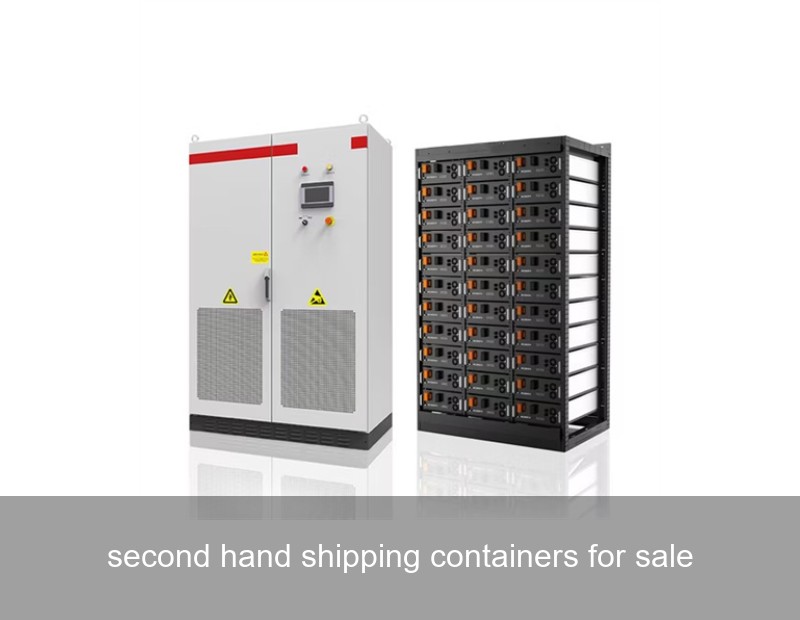
You're browsing listings for second hand shipping containers for sale, envisioning a sleek office, a pop-up shop, or perhaps a modular home. But what if that robust steel box could become something more? What if it could transform into a resilient hub for clean energy, powering not just itself but entire operations? Across Europe and the U.S., a quiet revolution is underway. Visionary engineers, farmers, and business owners are turning these ubiquitous containers into the foundational building blocks for microgrids, solar-plus-storage installations, and backup power systems. The journey from a port relic to a power asset is fascinating, but it hinges on one critical component: a sophisticated, safe, and intelligent energy storage system. Let's explore how.
From Ports to Power: The Unlikely Rise of Second-Hand Shipping Containers
The global shipping industry cycles through millions of containers. After their sea-faring years, many end up in storage lots, offering a treasure trove of durable, modular, and cost-effective building materials. Their inherent strengths—weatherproof steel construction, structural integrity, and standardized dimensions—make them perfect for more than just storage. They are becoming the go-to solution for creating quick-deploy, scalable infrastructure. For the energy sector, this presents a unique opportunity. A standard 20ft or 40ft container provides a ready-made, secure enclosure for battery racks, power conversion systems, and climate control units. It’s a plug-and-play shell waiting for its high-tech core.

But here's the phenomenon: simply placing batteries inside a metal box isn't a solution; it's a potential hazard. The real magic happens when industry-leading energy technology meets this ruggedized form factor.
Why Repurposed Containers are a Smart Choice for Energy Projects
Choosing a used shipping container for an energy project isn't just about being trendy or frugal; it's a strategically sound decision. Let's break down the data-driven advantages:
- Cost & Time Efficiency: Sourcing a second hand shipping container for sale can cost 40-60% less than fabricating a custom enclosure from scratch. Lead times are dramatically shorter, accelerating project deployment from months to weeks.
- Unmatched Durability: Built to withstand harsh marine environments, these containers are rated for heavy loads and offer exceptional resistance to the elements—a perfect match for outdoor energy systems.
- Modularity & Scalability: Need more capacity? The "building block" nature of containers allows for easy expansion. You can start with a single 20ft unit and add more containers in parallel as your energy needs grow.
- Mobility: Already designed for global transport, a containerized energy storage system (ESS) can be easily relocated by truck, rail, or ship if your site requirements change.
This combination makes them ideal for a range of applications: providing backup power for remote farms, storing excess solar energy from a commercial rooftop, or forming the heart of an off-grid community microgrid.
The Critical Challenge: Powering Your Container Project
Now, let's address the core challenge. The container is the body, but the energy storage system is the heart and brain. Not all battery technology is suited for this application. Using mismatched, low-quality, or improperly managed batteries in a confined steel space can lead to thermal runaway, rapid degradation, and safety risks. The system requires:
- Advanced Thermal Management: Precise cooling and heating to maintain optimal battery temperature year-round.
- Intelligent Battery Management (BMS): To monitor the health of every cell, ensure balance, and prevent dangerous conditions.
- Robust Inverter/Charger: To efficiently convert power between DC (battery) and AC (your appliances/grid).
- Grid Integration & Control Software: To decide when to charge from solar or the grid, when to discharge, and how to provide backup power seamlessly.
This is where partnering with an experienced energy storage provider transitions your container from a simple shell to a turnkey power asset.
Case Study: A Dutch Microgrid's Container-Based Success
Consider a real-world example from the Netherlands. A sustainable agro-business with a large greenhouse operation faced rising grid costs and wanted to increase its use of on-site renewables. They purchased a second hand 40ft high-cube shipping container for sale locally. Their goal was to store surplus solar energy generated during the day for use during peak evening hours and to ensure critical climate control systems remained online during grid outages.
They partnered with Highjoule to integrate a complete Containerized Battery Energy Storage System (C-BESS). The project featured:
- Container: One refurbished 40ft HC container.
- Highjoule Technology: A 280 kWh lithium iron phosphate (LFP) battery system (known for its safety and long life), integrated with a 150 kW hybrid inverter and Highjoule's proprietary energy management system (EMS).
- Results (12-month post-installation data):
Metric Outcome Peak Grid Demand Reduction Over 40% Solar Self-Consumption Increase From 35% to over 80% Backup Power Autonomy 16+ hours for critical loads ROI Projection Under 5 years
The Highjoule EMS intelligently navigates time-of-use tariffs, automatically shifting energy use to the most economical periods. This case, documented in a broader IRENA report on innovation in agricultural energy use, highlights the tangible benefits of combining robust infrastructure with smart energy technology.
Highjoule's Integrated Solution: The Smart Container ESS
At Highjoule, we don't just sell batteries; we deliver fully integrated, performance-guaranteed power solutions. For clients sourcing their own second hand shipping containers for sale, we offer a seamless integration service. For others, we provide a complete turnkey package, including a suitably prepared container. Our Containerized ESS product line is engineered to meet the highest standards of safety, efficiency, and intelligence.

Our systems are built around our proprietary battery packs, utilizing stable LFP chemistry, and are governed by our multi-layered BMS and AI-driven EMS platform. This software can be configured for various modes: maximizing self-consumption of solar, participating in demand response programs (where available), or providing uninterrupted power supply. For commercial and industrial clients, this transforms a capital expense into a strategic, revenue-protecting asset. We handle the complex integration of electrical, thermal, and safety systems, so you receive a fully certified, plug-and-play power station.
Key Considerations Before You Buy
Ready to explore this path? Here’s a quick checklist before you purchase that container and partner for your energy system:
- Container Condition: Inspect for major dents, rust (especially on the floor), and structural integrity. A "one-trip" or "wind and watertight" (WWT) container is often a good choice.
- Size & Specifications: Standard 20ft or 40ft lengths are most common. A "high-cube" (9.5ft tall) provides extra space for overhead cable trays and cooling ducts.
- Site Preparation: You'll need a level, stable foundation (like concrete pads) and clear access for a heavy truck and crane for delivery.
- Permits & Regulations: Engage early with local authorities regarding building and electrical permits for a containerized energy system. Resources like the U.S. Department of Energy's solar permitting guide offer a useful regulatory framework reference.
- Technology Partner: This is the most crucial step. Choose a provider like Highjoule with a proven track record in containerized ESS, full system warranties, and remote monitoring capabilities. Ask about their compliance with key standards like UL 9540 and IEC 62619.
Remember, the container is the vessel, but the value is delivered by the technology inside it.
Your Next Step: Powering a Sustainable Future
The journey of a second hand shipping container for sale from a logistics tool to a cornerstone of energy resilience is a powerful symbol of the circular economy meeting the energy transition. It represents pragmatic, scalable, and intelligent sustainability. So, as you look at those container listings, we leave you with this question: What could you power—and what energy challenges could you solve—with a resilient, smart power station delivered in the most versatile box imaginable?
We invite you to contact Highjoule's project engineering team to discuss your site's specific energy profile and explore how a customized container solution can deliver reliability, savings, and sustainability for your operation.
 Inquiry
 Online Chat