


Sistema de Agua Caliente Solar: Your Guide to Free Hot Water from the Sun
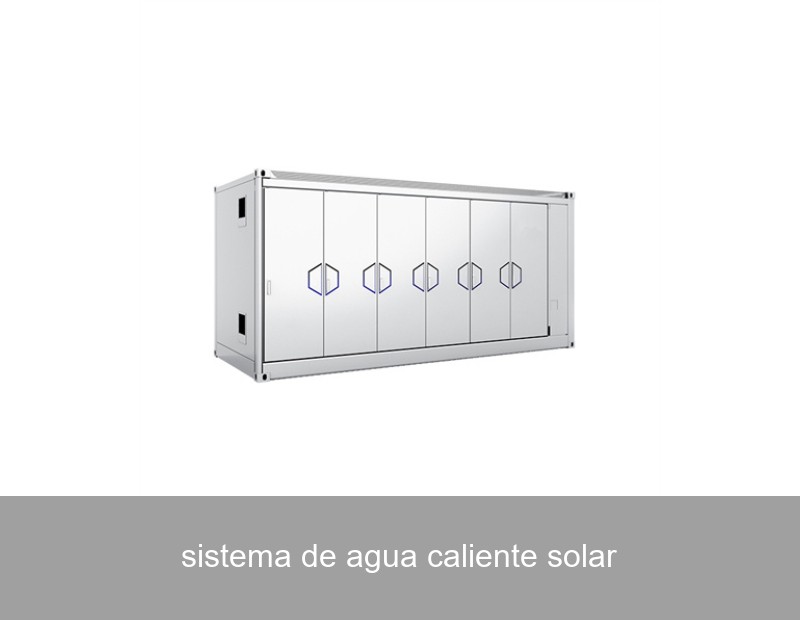
Have you ever looked at your energy bill, especially after a month of long showers and laundry loads, and wondered if there was a better way? For many homeowners and businesses across Europe and the US, that "better way" is already installed on rooftops, quietly turning sunlight into a powerful resource: hot water. A sistema de agua caliente solar (solar water heating system) is a proven, elegant technology that captures the sun's free energy to provide for a significant portion of your hot water needs. In an era of volatile energy prices and a pressing need for sustainability, understanding this technology isn't just for the eco-conscious—it's for anyone seeking energy independence and long-term savings. Let's demystify how these systems work, their tangible benefits, and how modern innovation is making them smarter than ever.
How It Works: More Than Just Panels on a Roof
First, let's clear up a common point of confusion. A solar water heater is not the same as photovoltaic (PV) solar panels. While PV panels convert sunlight into electricity, a solar thermal system is designed with one specific, high-energy-use task in mind: heating water. It's a more direct and often more efficient way to use solar energy for that purpose. The core components are straightforward:
- Solar Collectors: These are the panels you see on the roof. They contain a fluid (often a water-glycol mix) that absorbs solar heat. There are two main types: flat-plate collectors and more efficient evacuated tube collectors.
- Heat Transfer System: A pump circulates the heated fluid from the collectors down to...
- Storage Tank: A well-insulated water tank where the heat is transferred to your domestic water via a heat exchanger. Many systems use a dedicated solar storage tank or a larger tank with a backup heating element.
- Backup Heater: A conventional gas boiler or electric element ensures you have hot water even during prolonged cloudy periods.
The process is a continuous loop of capture, transfer, and storage. On a sunny day, the system can often heat water to the required temperature all by itself, allowing your conventional heater to remain idle and saving you money.
The Efficiency Advantage
According to the U.S. Department of Energy, a well-designed solar water heating system can typically provide between 50% and 80% of a household's annual hot water needs. This high efficiency is because it converts a large portion of the sun's radiation into usable heat, a simpler process than generating electricity.
The Benefits Unlocked: Savings, Sustainability, and Security
Investing in a solar thermal system delivers a triple bottom line: personal, planetary, and practical.
| Benefit | Impact | Long-Term Value |
|---|---|---|
| Cost Savings | Dramatically reduces reliance on gas or electricity for water heating. | Shields you from future energy price hikes; payback periods often between 5-10 years. |
| Environmental | Lowers your carbon footprint by using a clean, renewable resource. | Direct contribution to decarbonization goals, a key priority in the EU and many US states. |
| Energy Security | Produces energy on-site, increasing your home's resilience. | Less vulnerability to grid outages or supply disruptions for a basic need. |
For businesses like hotels, laundromats, or fitness centers with high hot water demand, the financial and sustainability case is even stronger. This is where the story evolves from a simple water heater to an integrated energy solution.
A Real-World Case Study: From Sunlight to Shower in Barcelona
Let's move from theory to practice. A compelling example comes from a medium-sized residential apartment building in Barcelona, Spain—a region with excellent solar resources. The building's management faced rising communal energy costs for heating the water used in all 20 apartments.
 Image: Solar thermal collectors on a residential roof. Source: Wikimedia Commons (CC BY-SA)
The Challenge: Provide a reliable, cost-effective hot water supply while reducing the building's environmental impact and managing upfront investment.
The Solution: Installation of a centralized sistema de agua caliente solar with evacuated tube collectors and a large, insulated storage tank. The system was designed to meet approximately 70% of the annual hot water load.
The Data-Driven Result: Post-installation monitoring over one year revealed:
- 62% reduction in natural gas consumption for water heating.
- Annual CO2 emissions reduced by an estimated 14.5 tonnes.
- Payback period calculated at under 7 years, thanks in part to local incentives.
This case, documented in a study published in the 'Case Studies in Thermal Engineering' journal, highlights the tangible, measurable impact of solar thermal technology in a real urban setting.
Beyond the Basics: The Role of Smart Energy Management
Traditional solar water heating is brilliant, but what happens when the sun is shining brightly, your tank is already hot, and you're still producing excess thermal energy? Or when you need to integrate it with other systems like space heating or pool heating? This is where modern power electronics and intelligent storage solutions elevate the entire system.
Companies like Highjoule are pioneering this next step. While Highjoule is renowned for its advanced battery energy storage systems (BESS) for homes and businesses, the principle of intelligent energy management applies perfectly to thermal systems. Imagine a system where:
- An energy management controller can prioritize using excess solar PV electricity to power your water heater's backup element when solar thermal input is low.
- Your solar thermal circuit is integrated with a heat pump or space heating system, creating a multi-source, highly efficient heating hub for your entire property.
- You can monitor and optimize your total energy production (thermal and electrical) and consumption from a single app, ensuring not a single kilowatt-hour or kilowatt-thermal of free solar energy goes to waste.
For commercial projects, Highjoule's intelligent microgrid solutions can seamlessly integrate a large-scale sistema de agua caliente solar with PV, battery storage, and backup generators. This creates a resilient, cost-optimized energy ecosystem where the solar thermal system plays a vital, managed role in reducing the facility's largest thermal loads.
Is Making the Switch Right for You?
The journey to a solar-powered hot water system starts with a few key considerations. Your geographic location and roof orientation (south-facing in the Northern Hemisphere is ideal) are primary factors. The local climate determines system sizing—you might need a larger collector area in Germany than in California. Critically, investigate the incentives available; many European countries and U.S. states offer tax credits, rebates, or feed-in tariffs that can significantly improve the economics. The European Commission's energy policies actively promote such renewable heating solutions.
Ultimately, a sistema de agua caliente solar is more than just a set of hardware. It's a step towards a smarter, more self-sufficient, and sustainable relationship with energy. It asks us to think differently: to see our rooftops not just as shelter, but as active power plants for our most basic needs.
What's the first question you would ask a professional to assess your home or business's potential for solar water heating?
 Inquiry
 Online Chat