


Understanding the Canadian On-Grid Inverter: Your Gateway to Efficient Solar Energy
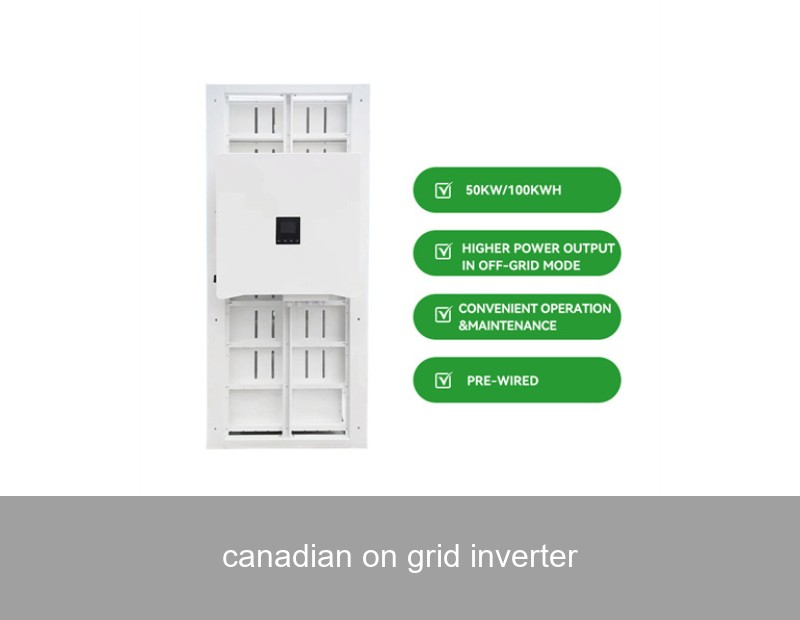
Thinking about joining Canada's clean energy revolution? If you're exploring solar power for your home or business, you've likely encountered the term "on-grid inverter." This crucial piece of technology is the intelligent heart of any grid-tied solar system, converting the sun's DC power into usable AC electricity for your property and the wider grid. But not all inverters are created equal, especially in a market with unique standards like Canada's. This article will demystify the Canadian on-grid inverter, explaining why it's a specialized product and how choosing the right one is key to maximizing your investment in solar energy.
Table of Contents
What is a Canadian On-Grid Inverter?
An on-grid inverter, also known as a grid-tie inverter, is the essential component that makes your solar panels "talk" to your home's electrical system and the public utility grid. It performs two primary functions: converting the direct current (DC) electricity generated by your solar panels into the alternating current (AC) that powers your appliances, and synchronizing this AC power perfectly with the grid's voltage and frequency.
In the Canadian context, this device must do more than just convert power. It must be a rugged, intelligent guardian. It ensures safety by automatically shutting down during a grid outage (a feature called anti-islanding), complies with strict provincial interconnection standards, and is built to withstand harsh environmental conditions—from the icy winters of Alberta to the humid summers of Ontario. This is where global expertise meets local necessity. Companies like Highjoule, with nearly two decades of experience in advanced energy storage and conversion, engineer their grid-interactive solutions with this precise blend of global performance benchmarks and local regulatory adherence in mind.
Why Does Canada Need Specialized Grid-Tie Inverters?
The "Canadian" designation isn't just a marketing term; it's a requirement. Canada's diverse climate and provincially managed electrical grids create a unique set of challenges that a generic inverter might not address.
- Extreme Climate Resilience: Inverters must operate reliably at temperatures as low as -30°C and as high as 40°C. This requires superior components, conformal coating on circuit boards, and robust thermal management systems.
- Stringent Grid Compliance: Each province has its own regulations. For instance, inverters must meet specific standards like CSA C22.2 No. 107.1-01 (R2019) in Canada and be certified by authorities such as the Independent Electricity System Operator (IESO) in Ontario or similar bodies in other provinces.
- Snow and Ice Management: Solar production patterns in winter require inverters that can handle rapid power ramps as snow melts off panels, and have high input voltages to start producing power earlier on cold, sunny days.
Choosing a non-compliant or ill-suited inverter can lead to failed inspections, system downtime, reduced energy harvest, and potential safety risks.
Key Features & Standards for Reliable Performance
When evaluating a Canadian on-grid inverter, look for these non-negotiable features:
| Feature | Why It Matters for Canada |
|---|---|
| Wide Operating Temperature Range (-30°C to +60°C) | Guarantees year-round operation in all Canadian climates. |
| High DC Input Voltage (e.g., up to 1500V) | Improves efficiency, reduces wiring costs, and enables better performance on cold, sunny days. |
| Advanced Grid Support Functions (Voltage/Frequency Ride-Through) | Helps stabilize the local grid, a feature increasingly required by utilities. |
| CSA/UL Certification | Mandatory for insurance and utility approval. Proof of safety and compliance. |
| Smart Monitoring & Diagnostics | Allows remote management—a boon for diagnosing issues during long winters without a site visit. |
At Highjoule, our GridSync Pro Series inverters are designed with these pillars in mind. They are not only built to the highest international efficiency standards (up to 99%), but are specifically configured and certified to navigate the complex landscape of Canadian provincial utility requirements, providing peace of mind alongside peak performance.

Image Source: Unsplash (Representative image of a modern inverter installation)
Real-World Impact: A Case Study from Ontario
Let's move from theory to practice. Consider a medium-sized agricultural processing facility in Southern Ontario. The facility faced high demand charges and sought to reduce its carbon footprint and operational costs.
The Challenge: Install a 250 kW solar array that could reliably offset a significant portion of daytime energy use, withstand local weather, and seamlessly integrate with the local distribution company (LDC) under the IESO's microFIT program requirements at the time.
The Solution: The system integrator chose a solution centered on multiple Highjoule GridSync Pro 50kW inverters. Their decision was based on:
- Proven CSA certification for swift utility approval.
- High efficiency (98.6%) to maximize production from limited roof space.
- Advanced monitoring that allowed the facility manager to track production in real-time and correlate it with processing schedules.
The Data-Driven Result: In its first full year of operation, the system generated 312,000 kWh of clean electricity. This met approximately 40% of the facility's energy needs, reducing its annual electricity bill by over C$31,000. Importantly, the inverters performed flawlessly through a harsh winter, with the smart diagnostics alerting operators to a minor voltage fluctuation that was resolved remotely, preventing any downtime. This case underscores how the right Canadian on-grid inverter is a critical business asset, not just a component.
Choosing the Right Inverter and Partner
Selecting your inverter is about more than specs; it's about choosing a long-term technology partner. Here’s a logical approach:
- Start with Compliance: Verify the inverter model has the necessary certifications for your province. Your installer should provide this documentation.
- Evaluate the Ecosystem: Does the inverter brand offer robust monitoring software? Is local technical support readily available? Highjoule, for example, backs its products with a North American support network and a cloud-based energy management platform that provides insights far beyond simple production totals.
- Think About the Future: Are you considering adding battery storage later? Opt for an inverter that is storage-ready or can easily pair with a dedicated storage system. Highjoule's systems are designed with this hybrid future in mind, allowing for seamless integration of our EnerBank battery storage solutions to create a resilient, self-sufficient energy system.
- Trust the Experts: Work with a certified installer who understands both the technology and the local permitting landscape. They are your best guide.
The Future of Grid-Tied Solar in Canada
The role of the Canadian on-grid inverter is evolving. As grids become smarter and more decentralized, future inverters will act as grid-forming assets, providing critical services to maintain stability. Innovations in software and power electronics will further enhance their efficiency and grid-support capabilities. The journey towards a net-zero grid, as outlined by federal and provincial strategies, will be powered by these intelligent devices.

Image Source: Unsplash (Representative image of utility-scale solar integration)
So, as you plan your solar project, ask yourself: Is your inverter choice just a checkbox, or is it a strategic component designed for Canada's unique energy landscape, backed by a partner committed to your system's lifetime performance? The right answer ensures your investment shines brightly for decades to come.
 Inquiry
 Online Chat