


Demystifying the Solar and Battery Package Price in NSW: Your Guide to Smart Investment
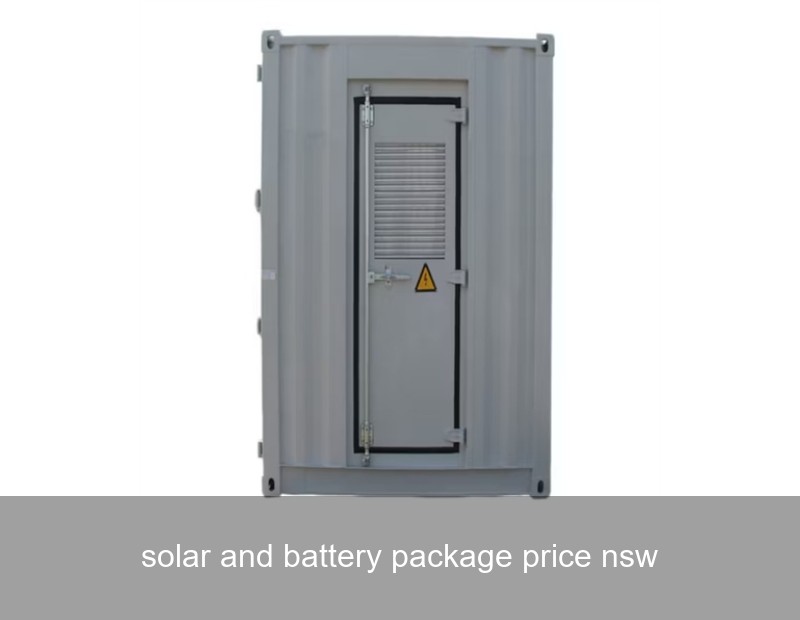
If you're a homeowner in New South Wales (NSW), you've likely been intrigued by the promise of solar and battery storage. The idea of slashing power bills, gaining energy independence, and contributing to a cleaner grid is powerful. But when you start researching, one question quickly rises to the top: what should I realistically expect to pay for a solar and battery package in NSW? The quoted prices can vary wildly, leaving you confused about what constitutes good value. As a product technology expert in the renewable energy sector, I'm here to guide you through this complex landscape. The truth is, the price tag is just the beginning; understanding what's behind it is the key to a sound investment that delivers for decades.
What Really Drives the Price of a Solar and Battery System?
Think of a solar and battery package not as a simple commodity, but as a sophisticated, integrated power plant for your home. The final price is a sum of several critical components, each with its own technology and value proposition.
1. The Solar Panel Array (Your Power Generator)
Not all solar panels are created equal. The price is influenced by panel efficiency (how well they convert sunlight to electricity), brand reputation, and warranty. Higher efficiency panels, like the monocrystalline PERC cells often used in premium systems, may cost more upfront but generate more power in a limited roof space, offering better long-term returns.
2. The Battery Storage Unit (Your Energy Bank)
This is the heart of your energy independence. Key factors here are:
- Usable Capacity (kWh): How much energy you can actually store and use. A 10kWh battery might only have 9.6kWh of usable capacity.
- Power Rating (kW): How much power it can deliver at once. Can it run your air conditioner and oven simultaneously?
- Battery Chemistry: Most modern home systems use Lithium Iron Phosphate (LFP) due to its superior safety, longevity, and excellent cycle life compared to older chemistries.
- Depth of Discharge (DoD): The percentage of the battery you can safely use without damaging it. A higher DoD means more of your stored capacity is usable.
For example, a system with a high-capacity, high-power LFP battery from a reputable manufacturer will be priced higher than a system with a lower-spec, generic alternative.
3. The Inverter Technology (The Brain of the System)
The inverter converts DC electricity from your panels and battery to AC for your home. An integrated "hybrid" inverter manages both solar and battery, while some setups use separate units. Advanced inverters offer features like grid-forming capabilities (allowing you to have power during a blackout) and sophisticated energy management software, which adds to the cost but also the system's intelligence and resilience.
4. Installation Complexity & Quality
A professional, certified installation by accredited electricians is non-negotiable for safety and performance. Factors like roof type, accessibility, switchboard upgrades, and distance between components all affect labour costs. The cheapest quote might be cutting corners here, which is a significant risk.
5. Government Incentives
In NSW, the Energy Savings Scheme (ESS) provides Small-scale Technology Certificates (STCs) for solar and rebates for eligible battery systems. These can reduce your upfront cost by several thousand dollars. The final "solar and battery package price NSW" homeowners see should always be quoted after these incentives are applied.
| System Tier | Estimated Price Range (AUD) | Key Characteristics |
|---|---|---|
| Entry-Level | $12,000 - $16,000 | Standard efficiency panels, basic hybrid inverter, battery with moderate cycle life and warranty. |
| Mid-Range (Recommended) | $16,000 - $22,000 | High-efficiency panels, advanced hybrid inverter with blackout protection, premium LFP battery (e.g., 10+ year warranty, high cycle count). |
| Premium/Whole-Home Backup | $22,000+ | Top-tier panels, multiple batteries or high-power units, grid-forming inverter, full-home backup sub-panel installation. |
A Real-World NSW Case Study: The Smith Family in Newcastle
Let's move from theory to practice. The Smith family, living in a 4-bedroom home in Newcastle, was facing average quarterly electricity bills of $650. Their goal was to maximize self-consumption and gain backup power for frequent short-term grid outages.
- System Installed: 8.2kW solar array with 13.1kWh of integrated battery storage.
- Key Feature: A system designed for "time-of-use" optimization, charging the battery with cheap solar and grid power during off-peak periods to avoid buying expensive peak electricity.
12-Month Results:
- Average Quarterly Bill: Reduced from $650 to $85 (mostly service charges).
- Self-Sufficiency: They now consume over 85% of their solar energy on-site, thanks to the battery.
- Grid Export: Reduced significantly, making them less reliant on low feed-in tariffs.
- Payback Estimate: Based on current savings, they project a full return on investment in under 8 years, with over a decade of additional free energy from the system's lifespan.
This case highlights that the right "solar and battery package price NSW" is an investment that pays measurable, ongoing dividends in bill savings and peace of mind.
Looking Beyond the Sticker Price: The Value of a Quality System
Choosing the cheapest option can be costly in the long run. Here’s what a fair price for a quality system buys you:
- Longevity & Warranty: Premium LFP batteries can last 15+ years with warranties covering 10 years or 10,000 cycles. A cheap battery failing after 5 years destroys your economics.
- Safety: Certified equipment installed to Australian Standards minimizes fire risk. This is not an area for compromise.
- Performance & Monitoring: Advanced systems come with intuitive apps that show your energy flow in real-time, allowing you to optimize usage and detect issues early.
- Grid Services & Future-Proofing: Some advanced systems can participate in virtual power plants (VPPs), earning you credit for supporting the grid. This is an emerging revenue stream in NSW.
The Highjoule Solution: Smart, Integrated Energy for NSW Homes
At Highjoule, with nearly two decades of experience as a global provider of advanced energy storage, we approach the "solar and battery package price" question from an engineering and value perspective. For the NSW market, we don't just sell components; we deliver an integrated, intelligent energy ecosystem.
Our Highjoule Home Energy System is designed specifically for the demands of Australian households. It combines high-density, UL9540A certified LFP battery modules with a powerful, grid-forming hybrid inverter. What sets it apart is the Highjoule EnergyOS – an AI-driven software platform that actively learns your home's energy patterns. It doesn't just store solar energy; it intelligently decides the most economical moment to charge from solar or the grid (using time-of-use data) and discharge, maximizing your savings automatically.
For a NSW homeowner, this means our system is constantly working to get the best return on your investment, adapting to changing tariffs and weather. We believe the true "price" of a system is its lifetime cost per kilowatt-hour delivered. By focusing on superior cycle life, intelligent management, and robust safety, a Highjoule system is engineered to provide the lowest cost of energy ownership over its entire lifespan, making the initial investment a wiser long-term decision.

Image Source: Unsplash (Representative image of a modern home energy system)
Making the Right Choice for Your Home
So, how do you navigate this? Start by asking the right questions beyond the bottom line: What is the usable capacity of the battery? What is the warranty on throughput or cycle life? Is the inverter certified for grid-forming and blackout protection? Can the system integrate with future VPP programs in NSW?
Request detailed quotes that itemize equipment models, capacities, and warranties. A reputable installer will provide a performance simulation, estimating your annual solar production, self-consumption, and bill savings.
Given the climate and energy market of NSW, what specific energy goal—total bill elimination, critical backup during storms, or maximizing environmental impact—would make a solar and battery system an indispensable part of your home?
 Inquiry
 Online Chat