


Solar Energy, Renewable Energy, and the Environment: A Brighter Path Forward
Let's talk about a simple, powerful truth: our planet is getting warmer, and the way we generate electricity is a major reason why. For decades, we've relied on burning fossil fuels, a process that blankets our atmosphere in heat-trapping gases. But what if the solution has been shining down on us all along? The connection between solar energy, renewable energy, and the environment is not just promising; it's transformative. It represents a fundamental shift from extractive, polluting power to clean, abundant, and sustainable energy drawn directly from the sun. This isn't just about installing panels on a roof; it's about reimagining our entire energy ecosystem for a stable climate and a healthier world.
Table of Contents
- The Environmental Imperative: Why the Shift is Non-Negotiable
- The Direct Impact: How Solar Power Cleans Our Air and Protects Our Planet
- The Missing Link: Energy Storage and System Intelligence
- A Real-World Case: Solar + Storage in Action
- Highjoule's Role: Enabling the Intelligent Energy Ecosystem
- The Future Horizon: Your Role in the Energy Transition
The Environmental Imperative: Why the Shift is Non-Negotiable
The science is clear and unanimous. The Intergovernmental Panel on Climate Change (IPCC) states that human influence has unequivocally warmed the atmosphere, ocean, and land. The primary driver? Greenhouse gas emissions from fossil fuel combustion. We're seeing the effects in real-time: intensified wildfires, more powerful storms, and rising sea levels. Transitioning to renewable energy sources like solar and wind is the single most effective lever we have to decarbonize our power grid, which is the backbone of modern civilization.

Image Source: Unsplash - Representative image of a solar farm.
The Direct Impact: How Solar Power Cleans Our Air and Protects Our Planet
So, how exactly does flipping the switch to solar benefit the environment? The advantages cascade across multiple fronts:
- Zero Operational Emissions: Once installed, a solar photovoltaic (PV) system generates electricity with no air pollution, no greenhouse gases, and no water consumption for its operation. It silently converts sunlight into clean power.
- Reduced Water Usage: Unlike conventional power plants (nuclear, coal, natural gas) that require massive amounts of water for cooling, solar PV systems require virtually no water to operate, preserving precious freshwater resources.
- Improved Public Health: By displacing fossil fuel generation, solar energy reduces pollutants like sulfur dioxide (SO2) and nitrogen oxides (NOx) that cause smog, acid rain, and respiratory illnesses. The U.S. Environmental Protection Agency highlights significant public health co-benefits from clean energy adoption.
- Land Use Synergy: Solar projects can be designed for dual land use, such as agrivoltaics (combining agriculture with solar panels) or built on brownfield sites, minimizing ecosystem disruption.
The Missing Link: Energy Storage and System Intelligence
Here's a common question: "The sun doesn't shine at night, so how can solar power our world reliably?" This is the critical challenge that brings us to the heart of the modern energy transition. Solar and wind are intermittent by nature. The true game-changer isn't just generating clean energy; it's intelligently managing it. This is where advanced battery energy storage systems (BESS) and smart energy management platforms become indispensable. They are the linchpin that transforms solar from a supplemental power source into a reliable, dispatchable foundation for our grids, homes, and businesses.
A Real-World Case: Solar + Storage in Action
Let's look at a concrete example from California, USA. The state has ambitious renewable energy goals but faces grid reliability challenges, especially during evening hours when solar generation drops and demand remains high (the famous "duck curve").
A mid-sized manufacturing plant in the Central Valley decided to tackle both its carbon footprint and rising energy costs. They installed a 2.5 MW solar canopy over their parking lot, coupled with a 6 MWh lithium-ion battery storage system. Here's what happened:
| Metric | Before Solar+Storage | After Solar+Storage |
|---|---|---|
| Grid Electricity Purchased | 100% | ~25% (mostly at night) |
| Carbon Emissions from Electricity | ~1,200 tons CO2/year | ~300 tons CO2/year |
| Energy Costs | Subject to peak demand charges & volatile rates | Reduced by 68% through peak shaving and arbitrage |
| Grid Reliability | Vulnerable to public safety power shutoffs | Can operate critical loads for 8+ hours during outages |
This case, inspired by real projects documented by the National Renewable Energy Laboratory (NREL), illustrates the powerful synergy of solar plus storage. The system doesn't just generate clean energy; it stores excess solar power from the afternoon and strategically discharges it during the expensive, carbon-intensive evening peak, delivering economic and environmental wins simultaneously.
Highjoule's Role: Enabling the Intelligent Energy Ecosystem
At Highjoule, we've spent nearly two decades focused on solving this exact puzzle. We understand that maximizing the environmental and economic benefit of solar energy requires more than just panels. It requires a fully integrated, intelligent system. Our solutions are designed to make solar power reliable, efficient, and truly sustainable around the clock.
Our flagship product, the Highjoule H-Series Commercial & Industrial (C&I) Energy Storage System, is engineered for this era. It features:
- Ultra-High Efficiency: Our patented thermal management and power conversion systems minimize energy loss, ensuring more of the solar power you generate is used, not wasted.
- AI-Powered Energy Management (AEM): The system's brain. It forecasts solar production and energy demand, automatically deciding when to store, when to discharge, and when to participate in grid services, all to optimize for cost savings and carbon reduction.
- Seamless Solar Integration: Designed from the ground up to be the perfect partner for both new and existing solar PV installations, creating a unified, resilient energy asset.
For residential and smaller commercial applications, our Highjoule Home Energy Hub provides similar intelligence, allowing homeowners to maximize self-consumption of their solar energy, protect against outages, and reduce reliance on the grid. Furthermore, our microgrid controllers allow communities, campuses, and industrial sites to island themselves from the main grid, running independently on their solar and storage resources—a ultimate form of energy resilience and local clean energy utilization.

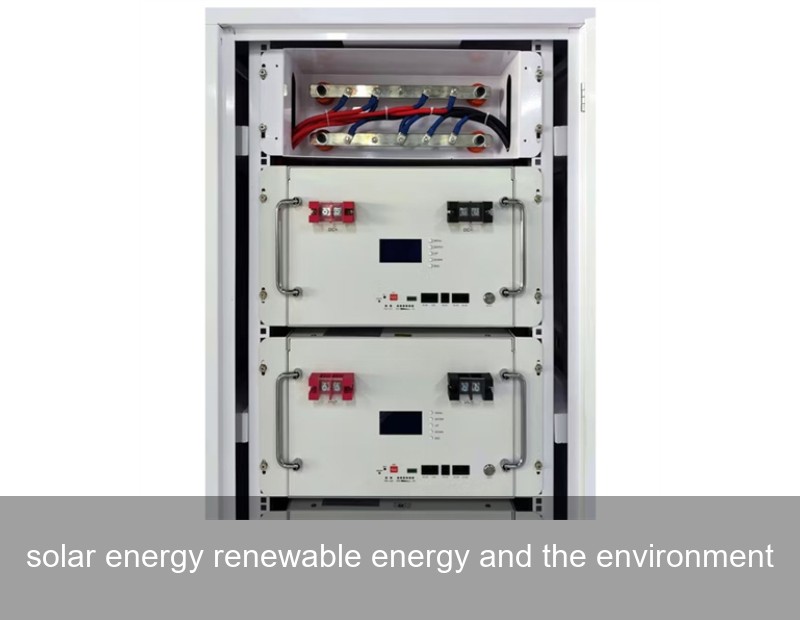
Image Source: Unsplash - Representative image of a commercial battery storage installation.
The Future Horizon: Your Role in the Energy Transition
The journey toward a sustainable future powered by solar energy, renewable energy, and a protected environment is a collective one. It involves policymakers, technology providers like Highjoule, businesses, and individuals. The technology is proven, the environmental benefits are quantifiable, and the economic case grows stronger every day.
Whether you're a facility manager looking to lock in energy costs and achieve ESG goals, a homeowner seeking energy independence, or a developer building the sustainable communities of tomorrow, the question is no longer "if" but "how." How will you integrate intelligent storage to unlock the full potential of your solar investment? How will your next energy decision contribute to a cleaner, more resilient grid for everyone?
We invite you to explore what an intelligent energy storage strategy could look like for your specific needs. What's the first step you can take to turn the promise of 24/7 clean energy into your reality?
 Inquiry
 Online Chat