


Solar Panels and Renewable Energy: Powering a Sustainable Future, Day and Night
You've likely seen them gleaming on rooftops or spread across fields: solar panels. They are the iconic face of the renewable energy revolution, silently converting sunlight into clean electricity. But have you ever wondered what happens when the sun goes down? The true potential of solar power isn't just in generating energy—it's in harnessing it reliably, 24/7. This is where the synergy between solar panels and advanced energy storage creates a complete, resilient power solution for homes and businesses. As a global leader, Highjoule has been at the forefront of this integration since 2005, designing intelligent storage systems that make solar-generated power truly dependable.
Table of Contents
The Solar Phenomenon: More Than Just Daytime Power
The principle is elegantly simple. Photovoltaic (PV) solar panels capture photons from sunlight, freeing electrons and creating a flow of direct current (DC) electricity. An inverter then converts this to the alternating current (AC) that powers our lives. It's a marvel of modern engineering that has seen efficiency soar and costs plummet by over 80% in the last decade. This surge in adoption is a cornerstone of global renewable energy targets, reducing reliance on fossil fuels and lowering carbon footprints.
However, this creates a new challenge: the intermittency of solar production. Energy generation peaks in the middle of the day, often not aligning with peak energy consumption in the evenings. This mismatch can strain the grid and lead to wasted potential. The question for a homeowner or business owner isn't just "how many panels do I need?" but "how do I use the energy I produce, on my own terms?"

Image Source: Unsplash - A typical solar installation. The setting sun highlights the need for energy storage.
The Storage Imperative: Data Doesn't Lie
Let's look at the numbers. According to the U.S. Energy Department's Solar Energy Technologies Office, solar could account for up to 40% of the nation's electricity supply by 2035. In Europe, Ember's European Electricity Review 2023 reported that wind and solar generated a record 22% of the EU's electricity in 2022, overtaking gas for the first time. This growth is phenomenal, but it underscores a critical need for flexibility.
Consider this typical daily curve for a household with solar panels but no storage:
| Time of Day | Solar Production | Household Demand | Grid Interaction |
|---|---|---|---|
| Midday (12 PM - 3 PM) | Very High | Low | Excess energy sold back to grid (often at lower rates) |
| Evening (6 PM - 9 PM) | None | Very High | Energy purchased from grid (at peak rates) |
This table illustrates the "duck curve" dilemma. You're producing clean energy but can't fully utilize it when you need it most. This is where battery energy storage systems (BESS) become the game-changer, transforming a solar array from a daytime generator into a round-the-clock personal power plant.
Case Study: A Bavarian Dairy Farm's Journey to Energy Independence
Let's make this real with a story from southern Germany. The Müller family runs a medium-sized dairy farm with high energy needs for cooling, milking machines, and general operations. They installed a 50 kW solar panel system in 2018. While it reduced their daytime grid consumption, they still faced high costs in the evening and had no backup during grid outages—a risk for their perishable goods.
In 2022, they partnered with Highjoule to integrate a Highjoule H4 Commercial Storage System with a capacity of 120 kWh. Here are the results after one year:
- Self-Consumption Rate Increased: From 35% to 88% of their solar energy is now used directly on-site.
- Grid Dependence Reduced: Their annual electricity purchases from the grid fell by 70%.
- ROI Timeline: Projected payback period for the combined solar + storage system is under 7 years, thanks to Germany's energy price environment and optimized usage.
- Resilience Achieved: During a 12-hour regional grid fault, the farm operated seamlessly on solar-stored power, protecting €15,000 worth of refrigerated milk.
"For us, it was never just about saving money," explains Mr. Müller. "It was about taking control. Our milking schedule doesn't wait for the sun, and now our power doesn't either. The Highjoule system manages the flow intelligently, and we have peace of mind." This case exemplifies how pairing solar panels with the right storage technology unlocks tangible economic and operational benefits.
How Highjoule's Technology Made the Difference
The Highjoule H4 system deployed at the farm isn't just a simple battery bank. Its integrated energy management system (EMS) uses predictive algorithms based on weather forecasts and consumption history. It decides when to store solar excess, when to discharge to cover evening peaks, and when to conserve energy for potential outages. This intelligence is what maximizes return on investment and reliability.
Beyond the Battery: The Highjoule Integrated Approach
At Highjoule, we understand that a storage system is more than its cells. Our expertise as a leading provider since 2005 lies in delivering holistic power solutions. For residential clients, our Highjoule HomeHub series offers scalable storage (from 10 to 30 kWh) with a hybrid inverter, seamlessly integrating with new or existing solar panels. Its user-friendly app lets homeowners monitor production, consumption, and storage in real-time, and even set preferences for backup priority.
For commercial and industrial (C&I) applications like the Müller farm, our modular H-Series Commercial Systems can be scaled from 100 kWh to multiple megawatt-hours. These systems are engineered for high-cycle life and safety, featuring our proprietary thermal management and cell-level monitoring. For microgrids and utility-scale projects, Highjoule provides complete engineering, procurement, and construction (EPC) services, designing systems that stabilize grids and integrate large-scale renewable energy sources.

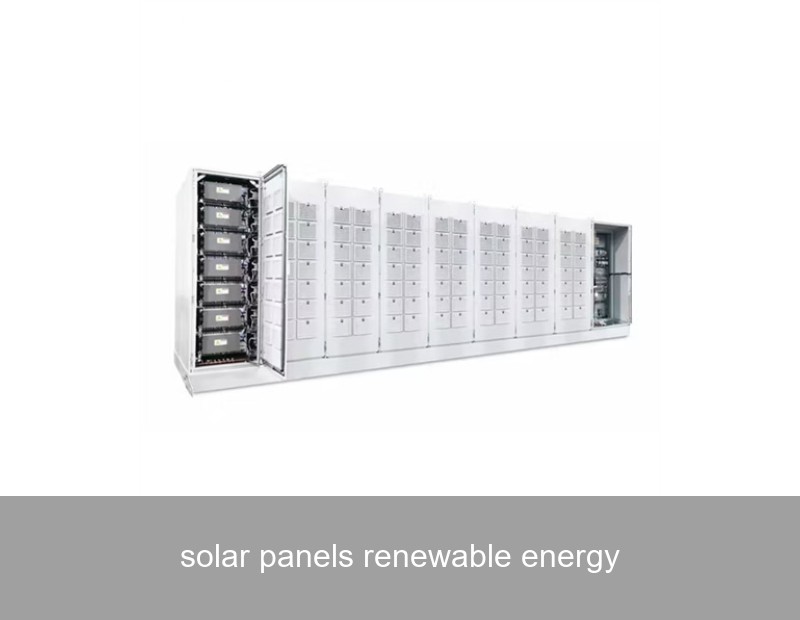
Image Source: Unsplash - Representative image of a professional battery storage installation.
Our philosophy is rooted in the EEAT principles—Experience, Expertise, Authoritativeness, and Trustworthiness. We've deployed over 3 GWh of storage capacity worldwide, and our systems are certified to the highest international safety standards. We don't just sell hardware; we provide a long-term partnership for a sustainable energy future.
Future Horizons: What Does Your Energy Independence Look Like?
The journey with solar panels is just beginning. As the International Energy Agency (IEA) notes, solar PV is set to dominate global capacity additions, but its value is multiplied by storage. The next frontier includes vehicle-to-grid (V2G) integration and even more sophisticated grid services.
But let's bring it back to you. Whether you're a homeowner tired of volatile energy bills, a business owner looking to lock in energy costs and enhance sustainability reporting, or a community planner designing a resilient microgrid, the equation now includes storage. The sun provides the fuel, but intelligence and storage provide the control.
So, we leave you with this open question: If you could design your perfect energy day—powering your life or business with the clean energy you generate, without compromise—what would the first step look like?
 Inquiry
 Online Chat