


Solar Energy Saving Devices: Your Smart Path to Energy Independence
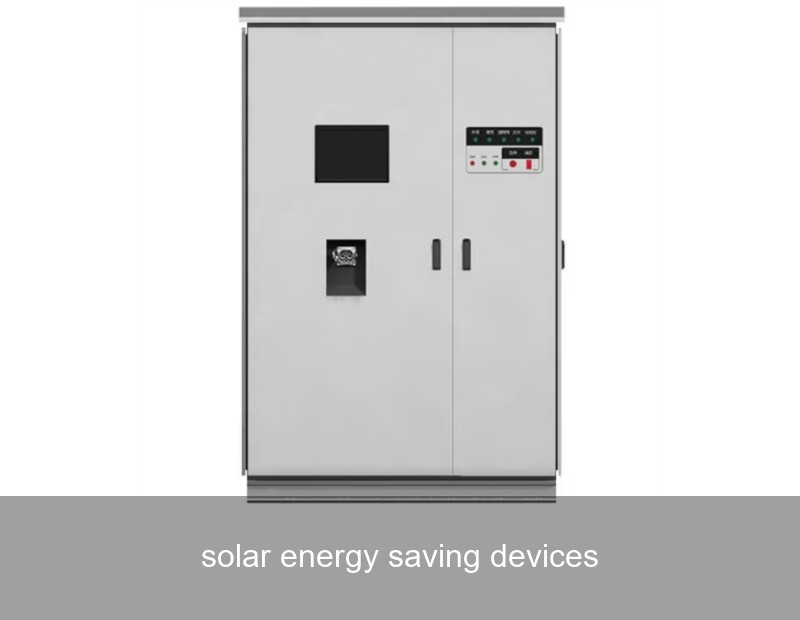
You've likely seen the headlines: energy prices are volatile, and climate concerns are mounting. Across Europe and the United States, homeowners and businesses are looking at their roofs and asking a crucial question: "Is my solar panel system truly working as hard as it can for me?" The answer often lies not just in the panels themselves, but in the intelligent solar energy saving devices that manage, store, and optimize every kilowatt-hour you produce. Let's explore how this technology transforms simple sunlight into remarkable savings and resilience.
Table of Contents
The Phenomenon: Wasted Sunlight and Grid Dependency
Here's a common scenario for many solar owners: Your panels generate a surplus of clean energy on a bright afternoon while you're at work. This excess power flows back to the grid, often for a modest feed-in tariff. Then, in the evening when the sun sets and your household demand peaks, you're forced to buy back expensive electricity from the utility. This cycle creates a frustrating gap between your generation potential and your actual energy independence and savings.
The Data: Quantifying the Energy Loss
The scale of this mismatch is significant. According to the U.S. Department of Energy's Solar Energy Technologies Office, a typical residential solar system without storage only directly consumes 20-40% of its own generation on average. The rest is exported. In markets like California with "net metering 3.0" or parts of Europe with declining feed-in tariffs, the financial value of that exported energy is dropping, making self-consumption more critical than ever.
| Scenario | Self-Consumption Rate | Grid Dependency at Night |
|---|---|---|
| Solar Panels Only | ~30% | High (70-80%) |
| Panels + Basic Inverter | ~35% | High |
| Panels + Smart Inverter + Battery | 60-80%+ | Low (20-40%) |
Key Solar Energy Saving Devices Explained
Closing this gap requires a suite of devices working in harmony. Think of it as a symphony, where each instrument plays a vital role.
1. The Smart Solar Inverter: The Brain of the Operation
More than just converting DC to AC, modern inverters are intelligent energy managers. They optimize power output, provide grid services, and communicate with other devices.

Image source: Unsplash (Professional photo of solar inverter hardware)
2. The Battery Energy Storage System (BESS): Your Personal Energy Bank
This is the cornerstone device for saving solar energy. It stores your daytime surplus for use at night, during peak rate periods, or grid outages. Lithium-ion phosphate (LFP) batteries, like those used by Highjoule, are now the standard for their safety, longevity, and performance.
3. Energy Monitoring Systems: The Power of Knowledge
You can't manage what you don't measure. Real-time monitoring platforms, often accessible via smartphone apps, show you exactly where your energy is generated, stored, and consumed, empowering you to make smarter usage decisions.
4. Smart Load Controllers & EV Chargers: The Automated Savers
These devices take automation further. A smart load controller can automatically run your pool pump or water heater when solar production is high. Similarly, a smart EV charger can schedule your car to charge directly from your surplus solar, turning your vehicle into a storage asset.
Case Study: A German Bakery's Recipe for Savings
Let's look at a real-world example from Bavaria, Germany. Bäckerei Schmidt (name changed for privacy) is a family-run bakery with high energy needs for ovens, refrigeration, and lighting. They installed a 50 kWp solar array in 2018 but were still exposed to high evening grid costs and volatile energy markets.
In 2022, they integrated a Highjoule HES-50 commercial battery storage system (50 kWh capacity) with advanced energy management software. The results over one year were compelling:
- Self-Consumption Rate Increased: From 31% to 78%.
- Grid Energy Purchases at Peak Times Reduced: By 92%.
- Annual Energy Cost Savings: €8,400, projecting a return on investment in under 7 years.
- Resilience: The system now provides backup power for critical refrigeration, preventing spoilage during brief grid interruptions.
"The battery doesn't just save us money," the owner noted. "It gives us predictability. We now know our base energy cost for the next 15 years, which is priceless for business planning."
The Highjoule Approach: Integrated Intelligence for Maximum Value
Since 2005, Highjoule has moved beyond providing isolated components. Our strength lies in delivering fully integrated, intelligent systems where all solar energy saving devices communicate seamlessly. Our Helios Energy Management Platform acts as the central nervous system, using AI-driven forecasts (weather, usage patterns) to make real-time decisions: should energy be stored, used immediately, or sold back to the grid at the most profitable moment?
For homeowners, our Residential PowerStack series offers scalable LFP battery storage with built-in smart inverter capabilities and an intuitive monitoring app. For businesses and utilities, our Commercial & Industrial (C&I) and Microgrid solutions provide robust, containerized storage systems that manage complex loads and can participate in grid-balancing programs for additional revenue streams, a concept explored in depth by research from the National Renewable Energy Laboratory (NREL).

Image source: Unsplash (Home with solar panels representing integrated residential systems)
Future Trends: What's Next for Solar Tech?
The evolution of solar energy saving devices is accelerating. We're moving towards hyper-local energy communities, where neighborhoods with solar and storage can trade energy peer-to-peer. Vehicle-to-Grid (V2G) technology will turn electric car batteries into mobile storage units. Furthermore, as noted by the International Energy Agency (IEA), software and AI will become the most valuable components, squeezing every possible bit of efficiency and value from the hardware.
Your Next Step Towards True Energy Independence
The journey from being a passive solar producer to an active energy manager is enabled by today's solar energy saving devices. It's no longer just about generating green power—it's about strategically controlling it to maximize economic and environmental benefits. What single energy cost or reliability concern in your home or business would you most want to solve by harnessing the full potential of your sun's energy?
 Inquiry
 Online Chat